


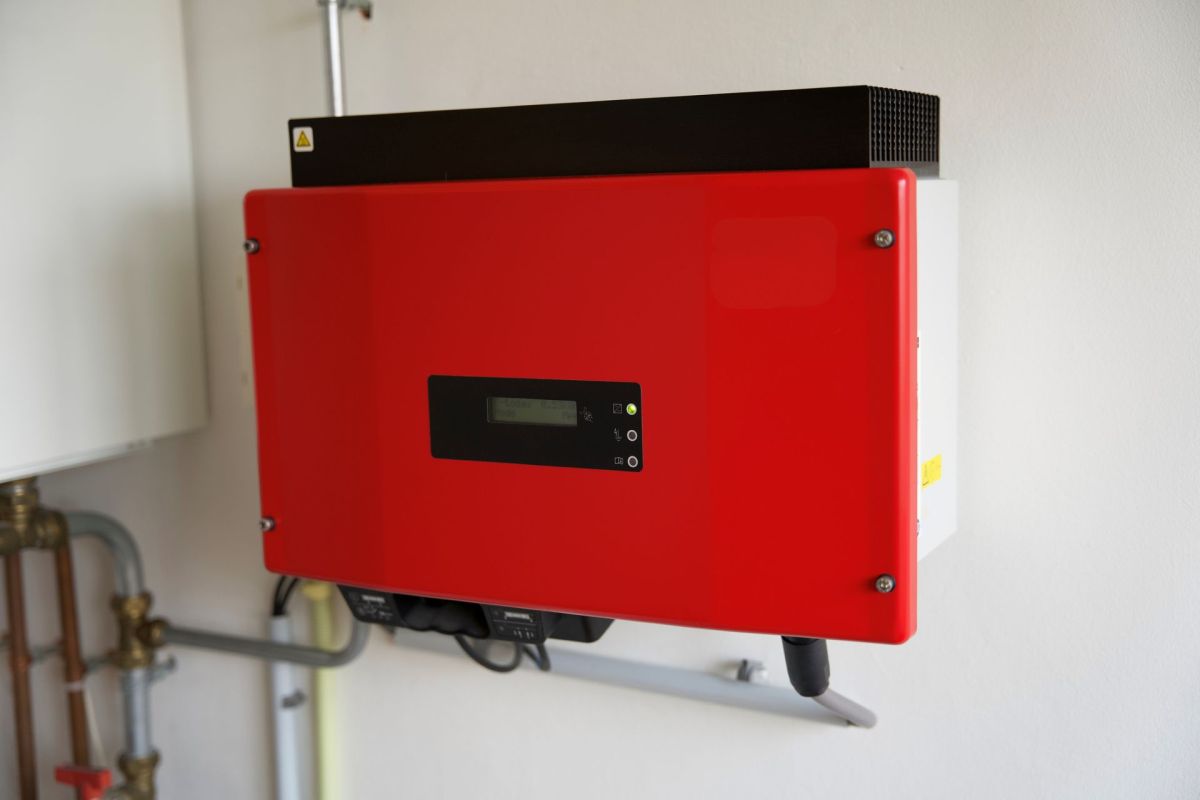
Questions about mismatched panels and inverter connections prompted a homeowner to seek advice while planning a small do-it-yourself solar setup.
Here's what to know
In a post on Reddit's Solar DIY forum, the homeowner shared a laundry list of questions.
"Is it better/what is the best practice for inverters?" they asked. "The microinverter per panel or home-run back to a single one? Possibly based on the size/rating of the panel?"
One commenter highlighted two considerations: the size of the planned system and shading, a circumstance in which microinverters can be particularly useful.
For homeowners comparing DIY with professionally installed residential solar, electricity savings are another consideration.
$0-upfront solar leases can save some households hundreds of dollars per month, depending on their circumstances. EasyHome offers a free explorer tool to estimate potential savings and find vetted local installers, giving homeowners another way to explore their options.
More background
Other commenters were bullish on micro inverters, including one who called them the "simplest and safest way for DIY."
"There's no HV DC to worry about and usually cheaper for small systems," they wrote. "It's also the easiest to troubleshoot if something goes wrong during installation or down the road."
Crushed by your bills? See instant solar savings from vetted installers in just a few clicks With energy prices through the roof, there's never been a better time to go solar — and EasyHome can help you find the best prices from the best installers in your area. EasyHome takes the guesswork and headaches out of energy upgrades by showing you estimated savings from a network of vetted local partners. To get started, just enter your ZIP and share a few details about your home — seeing your estimate is really that easy. |

The same commenter said the negatives of micro inverters were that they cost more for bigger systems, and adding a battery later might be exorbitant. A different commenter agreed and suggested a hybrid inverter and adding a battery.
What can be done?
One commenter advised the original poster to take a step back and determine the "order of magnitude for the project." They advocated sketching out a bill of materials, thinking through where everything would go, and then seeking out all the extras they would need to mount and wire.
"The steps kind of bleed into each other as you progress," they concluded. "Better to take an extra year planning if you stand to save a thousand bucks or more doing so."
The power-station and battery suggestions also bring storage into a discussion that began with inverters. For homeowners exploring an installed system, EasyHome provides options for comparing battery storage quotes.
Combining residential solar with batteries can help households manage electricity costs and provide backup power during outages.
Where can I learn more?
Other solar owners have asked similar questions about mixing panels and choosing inverters:
• A solar owner planning an expansion learned that mismatched volts or amps could reduce output.
• A UK solar buyer adding a third battery questioned whether a larger inverter justified upgrading.
• A UK homeowner's inverter upgrade kept tripping, prompting commenters to flag a 32A breaker.
• A DIY solar owner's missing 7.2 kWh surplus prompted commenters to point toward inverter overhead.

Get TCD's free newsletters for easy tips, smart advice, and a chance to earn $5,000 toward home upgrades. To see more stories like this one, change your Google preferences here.
Cool Picks






