


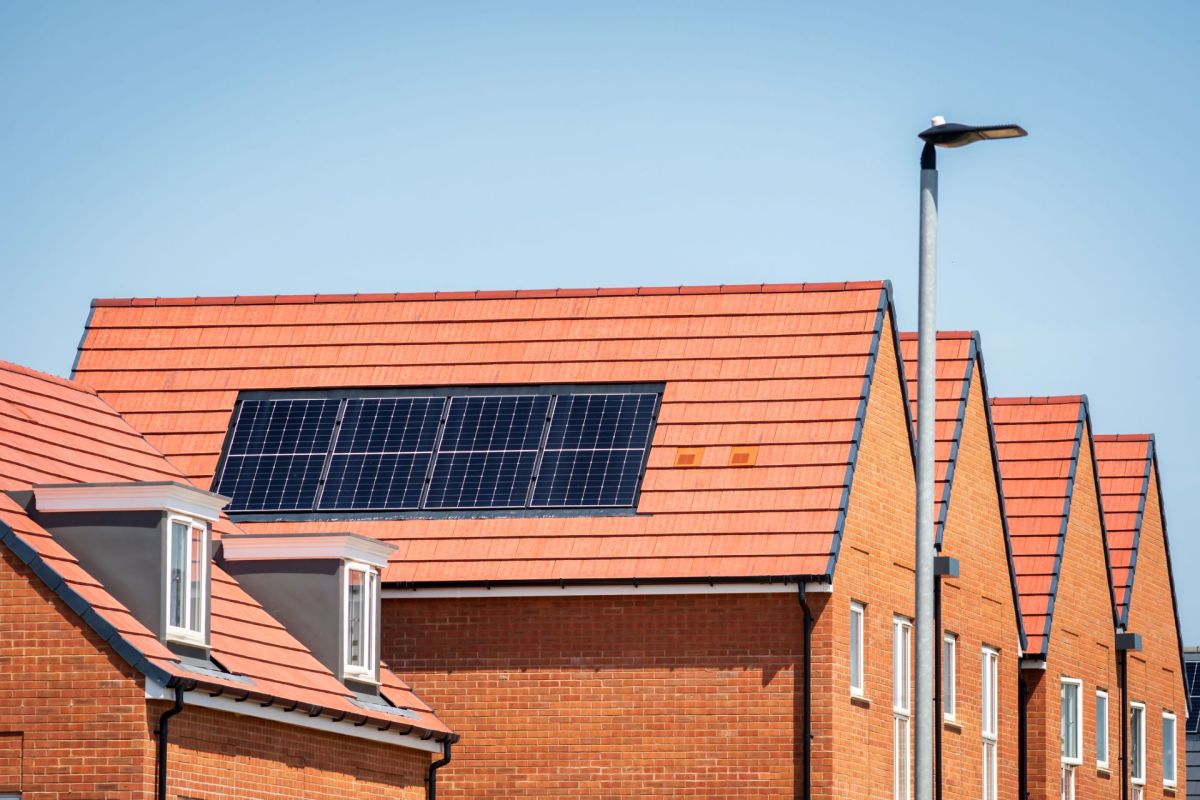
Faced with summer electricity bills above $300 and a winter bill approaching $800, one Ohio homeowner turned to Reddit for advice on solar panels and battery backup.
Here's what to know
In an August post to Reddit's r/SolarEnergy community, the Dayton-area homeowner described their all-electric manufactured home served by AES. The home's only air return is the off-center air handler, and its heating and cooling come from a 2017 or 2018 heat pump.
But with massive energy costs, including a February total of nearly $800, solar alongside battery storage was especially appealing.
As the original poster explained, "I am coming here because no matter how much research I do and how many companies I look into or reach out to, it seems like everything is some weird scam."
They asked, "Do any of you know what the best route would be?"
The OP noted that initial costs were also steering them toward 10 kilowatt-hours of storage, with roughly 12 hours of backup as the goal.
Commenters streamed into the thread to add both recommendations for installers as well as other ways to slash the OP's bills.
One user wrote, "You are currently using about 24,000kWh/year, which is very high. The first thing to do is figure out ways to reduce consumption. Look into a heat pump water heater and have your current heat pump serviced. You may benefit from a ground source heat pump."
Crushed by your bills? See instant solar savings from vetted installers in just a few clicks With energy prices through the roof, there's never been a better time to go solar — and EasyHome can help you find the best prices from the best installers in your area. EasyHome takes the guesswork and headaches out of energy upgrades by showing you estimated savings from a network of vetted local partners. To get started, just enter your ZIP and share a few details about your home — seeing your estimate is really that easy. |

Another suggested, "If you're looking to save money, rethink if you truly need a whole house battery backup right now. … Spending thousands on the off chance that power goes out long enough that the hundred dollars of food in the fridge spoils isn't probably worth it financially."
A third commenter, a solar customer in Parkersburg, shared their experience with a ground-mounted array and Powerwall 3 installed by Solar Holler. They reported monthly electric bills of $6, plus a system payment.
"When the grid is down, the battery powers our home," the commenter wrote, adding, "During the day it charges and it powers our home at night. We also send excess power into the grid."
What can be done?
Solar and battery systems sized to meet a household's needs can help households save money by storing power when energy is cheap and releasing it during peak hours. They also support greater energy independence, including off-grid use.
For homeowners sorting through offers, EnergySage provides a resource for exploring battery products and comparing competitive installation estimates before committing to a system.
EnergySage also partners with electrification company Qmerit, which has a goal of helping homeowners secure the best available battery storage pricing.
The value of battery storage could also depend on a billing question raised in the discussion: whether electricity exported to the grid receives one-for-one credit against power used later.
For a smaller starting point, Pila offers plug-and-play battery backups at a substantially lower price than whole-home systems. Pila's batteries can power individual appliances, like refrigerators.
Where can I learn more?
Other homeowners have had to weigh steep solar quotes against high electricity bills and the need for backup power.
• An Ohio resident seeking storm protection learned panels alone won't provide backup power during outages.
• An Indiana homeowner facing a $650 electricity bill received solar quotes reaching $90,000, drawing skepticism.
• A California homeowner's $1,200 electricity bill prompted a $65,938 solar installation with potential savings of $12,000 a year.

Get TCD's free newsletters for easy tips, smart advice, and a chance to earn $5,000 toward home upgrades. To see more stories like this one, change your Google preferences here.
Cool Picks






