


Keeping a refrigerator running during a power outage may seem straightforward, but one battery purchaser found that choosing the right backup system required more than just comparing battery sizes.
Here's what to know
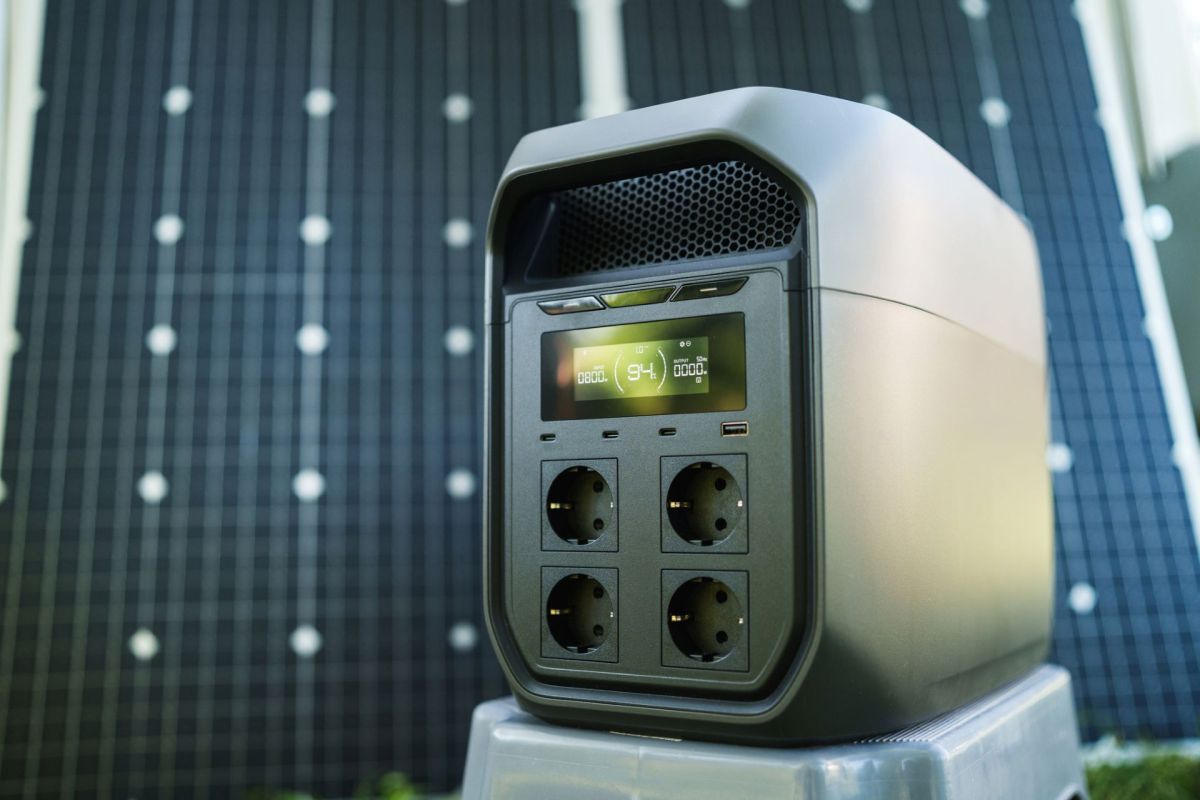
In a post on Reddit's r/Ecoflow_community, the buyer explained that the bundle they purchased included a 400-watt solar panel with an EcoFlow Delta 3 Max portable power station. However, only after they had made the purchase did they discover that the unit lacked battery expansion and supported only a single, 500-watt solar input.
"My question now is, the main reason I got this is to have a backup for a single refrigerator. Should this bundle be realistically enough, even with a few scattered overcast days? Worried I'm chasing specs vs the Max being ok for the purpose I'm looking for," the original poster wrote.
What commenters said
In response, commenters pointed out two important factors that the OP needed to take into account: how much electricity the refrigerator actually used and how much power the solar panel could produce on a very overcast day. Only by knowing these numbers could the OP determine if the Delta 3 Max bundle would meet their backup energy goals.
"The best way to know is to test it — test your fridge with a watt meter over 24 hours to know how much it consumes, and test how the panels do at your location in a heavy overcast day," advised one commenter.
Others recommended looking into a small, gas-powered generator, which could be used to charge the battery in the event that the solar panels were not generating enough power on their own.
TCD Picks » Quince Spotlight
💡These best-sellers from Quince deliver affordable, sustainable luxury for all




Some commenters cautioned that energy consumption could vary depending on source, with one Redditor sharing that their energy-efficient garage refrigerator, which had no ice maker or door dispenser, used about 800 watt-hours daily from the grid. However, running it through their DIY solar system required about 1,300 watt-hours daily from the charge controllers.
As far as solar was concerned, that commenter considered 400 watts their minimum comfortable capacity. For their setup, 200 watts of solar fell short even on sunny days, and increasing the capacity to 300 watts kept the refrigerator running but left no surplus to replenish batteries after poor weather.
Battery capacity was another important factor the commenter considered. They estimated that a 2,000-watt-hour power station could cover roughly 1.5 to two days of poor sunlight, while cloudy stretches where they lived could last more than four days.
Where can I learn more?
Powering a refrigerator is often a top backup power priority for households, but not every home battery is suited for that use. The following stories look at other fridge-related backup power dilemmas.
• A homeowner's 2-kWh EcoFlow battery powered a 28-cubic-foot fridge for about 22 hours during an outage.
• A Honda generator owner's 2-kWh battery ran a fridge for 21 hours during summer testing.
• A writer shopping for outage backup received a blunt reality check about solar generators' appliance limits.
• An Anker battery powered a family's fridge for 61.5 hours, with 18% charge remaining.
• A new power station owner saw a 10% battery drop while powering a fridge despite wall power.

Get TCD's free newsletters for easy tips, smart advice, and a chance to earn $5,000 toward home upgrades. To see more stories like this one, change your Google preferences here.
Cool Picks






