


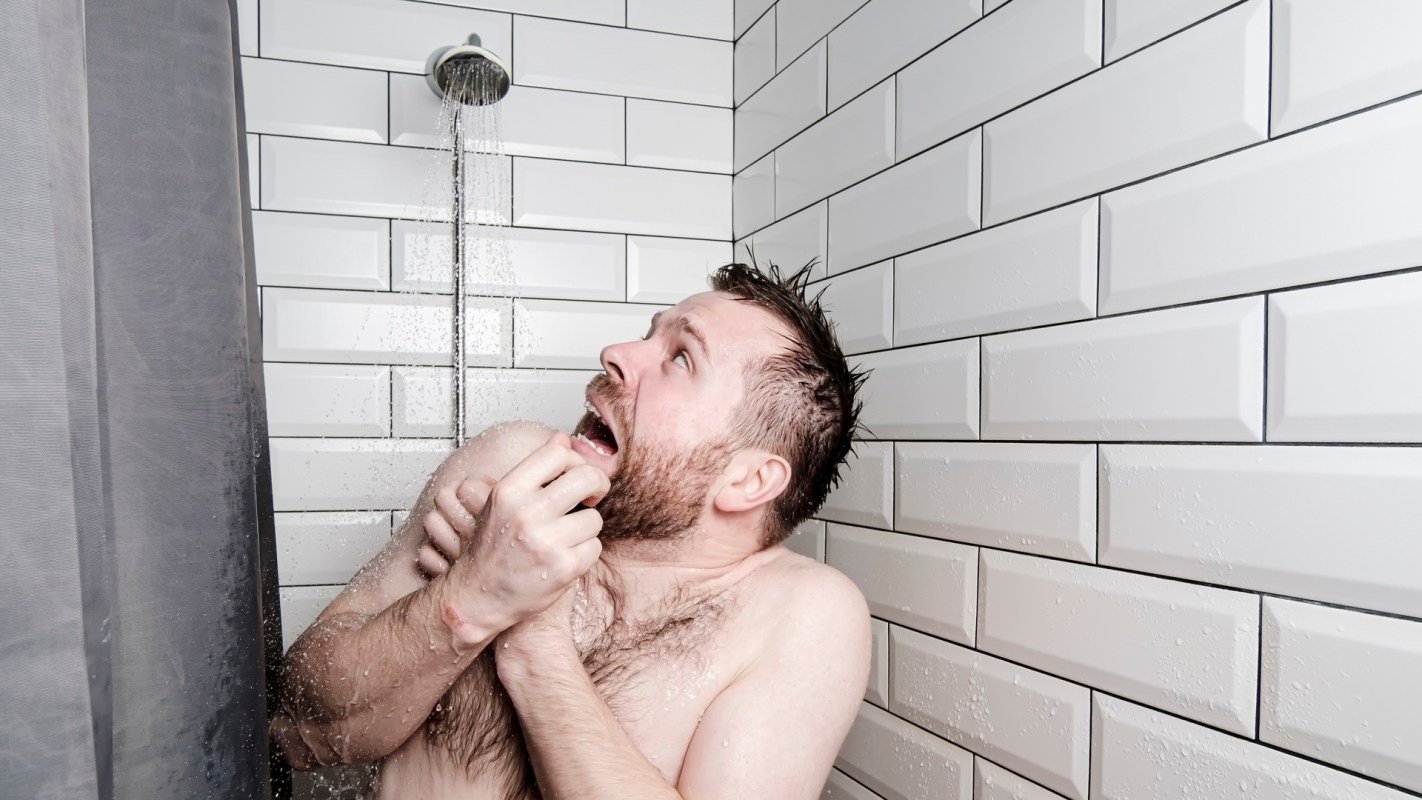
A replacement water heater might not mean a warmer shower for one New Jersey condo owner.
On Reddit, they described a 12-degree Fahrenheit temperature drop during a 10-minute shower, from 97 degrees to 85 degrees.
Capacity was central to their concern. The proposed replacement would hold 28 gallons, just like the existing tank, leaving them worried that the problem would persist.
Here's what to know
As a test, the homeowner left the shower handle untouched and recorded the temperature every minute, starting with a fully heated tank. They identified the unit as an electric water heater dating to 2018.
"Is this temperature decline reasonably expected from a properly functioning 28-gallon electric heater?" they asked.
"Sounds about right for a 28 gallon," one commenter wrote. "You can always check the heating elements. If you don't want to replace or you are unable to upsize look into a mixing valve."
Twenty gallons of hot water could be used by the 10-minute mark, another commenter noted, if the shower drew two gallons of hot water each minute.
For homeowners replacing a water tank, a heat pump water heater could also help lower energy costs. These systems move heat into the water instead of generating it from scratch, which uses less electricity than relying solely on electric resistance heating.
Crushed by your bills? See instant solar savings from vetted installers in just a few clicks With energy prices through the roof, there's never been a better time to go solar — and EasyHome can help you find the best prices from the best installers in your area. EasyHome takes the guesswork and headaches out of energy upgrades by showing you estimated savings from a network of vetted local partners. To get started, just enter your ZIP and share a few details about your home — seeing your estimate is really that easy. |

More background
The heater was already set to 140 degrees Fahrenheit.
The gap between that setting and the shower's much lower starting temperature drew a question from one commenter. The existing setting also complicated suggestions to turn up the heater so the hot water would last longer.
Insufficient capacity wasn't the only possible explanation. A commenter suggested that a faulty lower heating element or thermostat could leave the bottom of the tank cold while heating only the upper portion, unlike a functioning heater struggling to meet demand.
The incoming cold-water temperature and showerhead flow rate were details one commenter wanted to know. Another sought readings directly at the heater's outlet, before mixing, to compare the water temperature at the start of the shower with its temperature 10 minutes later.
What can be done?
Hard-water mineral buildup could reduce the existing tank's capacity, prompting a suggestion to flush it. Commenters also pointed to a mixing valve as an option if installing a larger tank wasn't possible.
Replacement planning can also include configurable smart heat pump water heaters from Cala. Matching water-heating schedules to household demand can help reduce energy use and bills while preparing hot water for the times people need it. For a household concerned about shower duration, Cala brings scheduling into the discussion alongside tank capacity and installation space.
Another possibility to replace a 28-gallon tank, especially if space is an issue, would be a tankless water heater. Though they are less efficient than a heat pump water heater and therefore cost more to operate annually, they generally cost less to operate than tank heaters and last longer. They do tend to cost more to install upfront, though, and may not be able to handle multiple concurrent showers without a more expensive solution.
In any case, traditional electric tank heaters are generally considered to be the least cost-effective option on the market, with their advantages being that they cost the least upfront to buy and install. Those cost savings might be erased by higher operating costs in a matter of a few years, though, depending on electric rates in the area.
Where can I learn more?
Other homeowners have run into similar problems with water heater capacity and showers that turn cold.
• A homeowner considering a water heater replacement learned 50 gallons could suffice for a two-person household.
• In Florida, professionals warned a homeowner that 6.8-gpm tankless capacity couldn't handle two baths.
• A Connecticut homeowner's persistently lukewarm showers pointed toward a boiler problem needing professional help.
• In the United States, a 2015 efficiency rule helped explain disappearing 80-gallon electric water heaters.

Get TCD's free newsletters for easy tips, smart advice, and a chance to earn $5,000 toward home upgrades. To see more stories like this one, change your Google preferences here.
Cool Picks






