


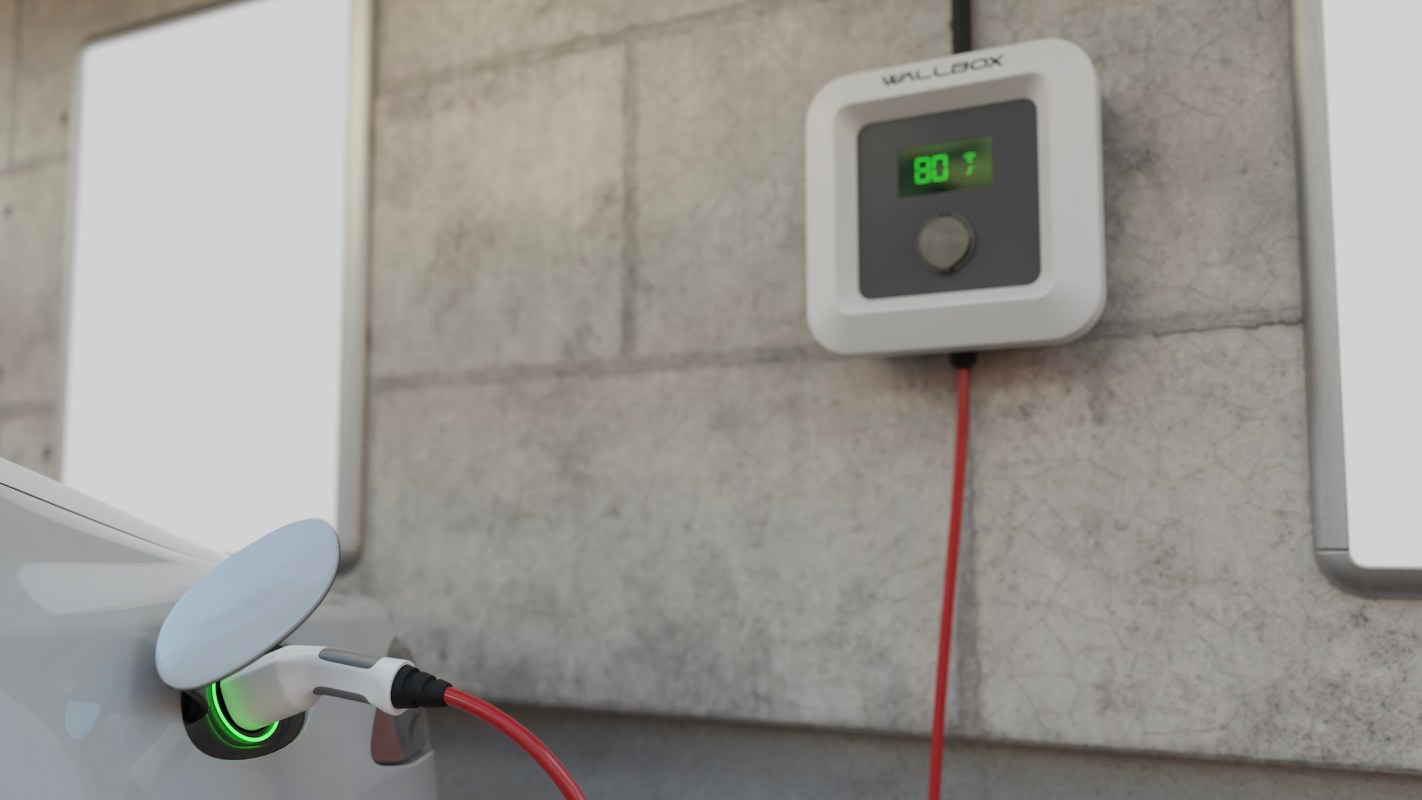
After nearly 10,000 miles, an electric vehicle owner with a 100-mile round-trip commute had spent just $30 at Superchargers, thanks to a free charger at work.
Here's what to know
In a post on Reddit's r/ElectricVehicles community, the EV owner described how a dedicated Level 2 charger available every workday has helped them keep charging costs low.
Before making the switch, the original poster said they spent more than $400 a month on gas and figured that money could go toward an EV payment instead. With a round-trip commute of about 100 miles, the EV's 260 miles of range was more than sufficient for the OP's daily needs.
Now, both their weekday commute and weekend errands run on electricity supplied for free at work. According to the OP, this has been highly preferable to charging at home, which would require running an extension cord to a 120-volt outlet, something the owner has been able to avoid so far.
Thanks to the free charging available at work, the OP claimed to have spent only $30 total at Superchargers, with $15 going toward just trying them out without needing a charge.
"I just realized I've spent as much on washer fluid as charging in 10k miles," the OP wrote.
TCD Picks » Quince Spotlight
💡These best-sellers from Quince deliver affordable, sustainable luxury for all




What commenters said
Other Redditors shared similar experiences with workplace charging, including one worker whose employer provided about 10 Level 2 chargers and two 50-kilowatt chargers. That commenter charged a Lightning at work, while their wife used a standard 110-volt charger at home for her EV6.
However, some users cautioned against overreliance on work-provided charging, warning that conditions can change over time. One commenter described a workplace where the only charger was used exclusively by a single executive. Another warned that growing demand could lead to competition for limited charging spaces.
A third commenter reported that their workplace had replaced four hours of free charging with a rate of 2 Canadian dollars per hour for the first two hours and 5 Canadian dollars per hour afterward. By comparison, their home electricity rate was about 15 Canadian cents per kilowatt-hour.
Similarly, another Redditor said their large employer used ChargePoint's waitlist process to manage limited charger availability.
What can be done?
One commenter recommended using charging apps to locate inexpensive public charging stations, saying they found a charger one block from work that cost less per kilowatt-hour than their PG&E home off-peak rate.
"You can often find gems if you look around," they wrote.
Altogether, the OP had found the shift from gas to electric to have been beneficial in some surprising ways.
"It really takes a load off on some mornings not having to stop at a gas station on the way to work," they wrote. "I didn't realize how much it sucked until I stopped having to do it."
Where can I learn more?
Free charging at work is one way to save on driving costs with an EV. These stories take a closer look at other examples of EV-related savings.
• An F-150 Lightning owner's 9,000 miles of charging cost about one monthly gas bill.
• A Tesla owner spent $136 on charging over 1,857 miles, saving $235 versus gas.
• In Toronto, a Model Y owner paid $351 annually for charging, versus $3,274 for gas.
• A Chevy Bolt EUV owner's cheap charging and tax savings made three years profitable.
• A Chevy Bolt owner received a $71 monthly estimate for Level 1 charging costs.

Get TCD's free newsletters for easy tips, smart advice, and a chance to earn $5,000 toward home upgrades. To see more stories like this one, change your Google preferences here.






