


A Baltimore homeowner weighing two heat pump replacement options was facing a costly question: Is paying roughly $4,500 more for a unit worth the price when air already struggles to reach the home's upper floors?
Here's what to know
The homeowner explained their dilemma on Reddit, writing that they owned an all-electric, 2,700-square-foot, three-story rowhouse in Baltimore. The house's previous heat pump, which was rated at 4 tons, failed after 15 years, and the owner was now in the market for a replacement.
The original poster had already obtained multiple bids, including a more expensive, $17,000 bid for a Carrier Infinity system and a $12,350 quote for a Trane cold-climate system. The homeowner added that both installers had good reviews.
Despite being less expensive, the Trane had a higher heating output than the Carrier. According to the OP, at 5 degrees Fahrenheit, the quoted heating output was 40,500 BTU for the Trane and 33,600 BTU for the Carrier. Cooling ratings also favored the Trane slightly, at 19 SEER2 versus 18.5, while both units had a heating-efficiency rating of 9.5 HSPF2.
The warranty was another key difference, with labor coverage lasting five years with the Carrier versus two with the less expensive Trane. Additionally, the Trane used an ecobee thermostat, while the Carrier combined Infinity controls with modulation down to 20%.
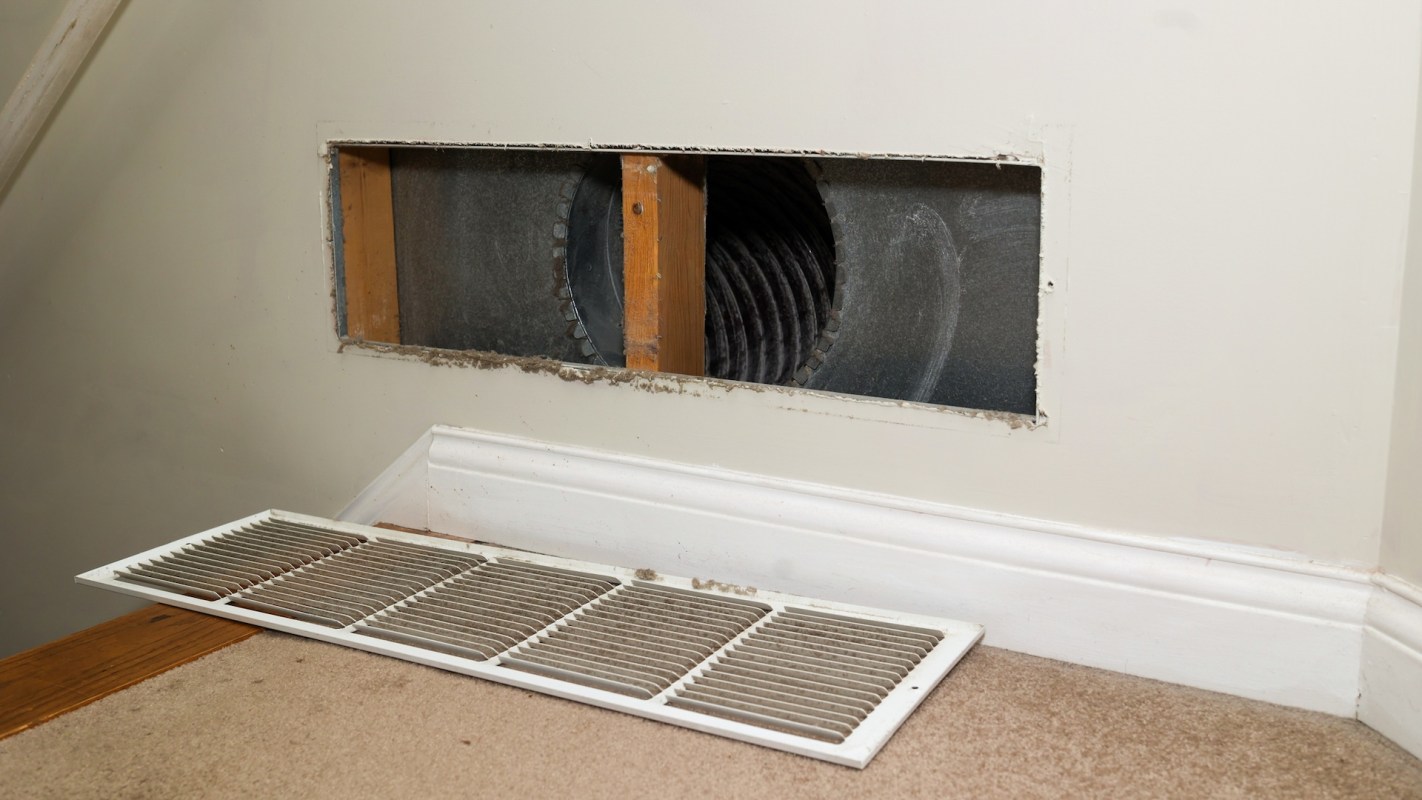
The OP explained that a basement air handler served the entire three-story house and that two different contractors had put the ductwork's capacity limit at 4 tons. The homeowner reported calculated loads of approximately 80,000 BTU for heating and 48,000 BTU for cooling.
For homeowners comparing their options, Palmetto can help evaluate different HVAC and heat pump solutions while also connecting users with vetted local installers through its Comfort Plan network.
What commenters said
One of the OP's biggest concerns was having adequate airflow to all areas of the house, particularly its upper floors. In particular, they mentioned inadequate airflow to one of the bedrooms.
Crushed by your bills? See instant solar savings from vetted installers in just a few clicks With energy prices through the roof, there's never been a better time to go solar — and EasyHome can help you find the best prices from the best installers in your area. EasyHome takes the guesswork and headaches out of energy upgrades by showing you estimated savings from a network of vetted local partners. To get started, just enter your ZIP and share a few details about your home — seeing your estimate is really that easy. |

"If you already have issues with low airflow upstairs it may be exacerbated by the inverter heat pumps," suggested one commenter, who recommended a booster fan as a potential solution to low airflow. "The inverters want to run low and slow which typically means a slower fan speed most of the time."
Saving money on utility bills was another top priority for the OP. Under the property's previous owner, winter electric bills had reached roughly $1,000, compared with around $300 in summer, the OP reported.
Energy-efficient equipment can help manage energy spending and exposure to rising prices. To maximize energy savings without steep upfront costs, Palmetto's Comfort Plan offers $0-down options with potential heating and cooling savings of up to 50%.
What else can be done?
Installing more powerful units and booster fans aren't the only ways to make a home more comfortable. For example, an energy auditor detected air leaks in the OP's home. Fixing those leaks would make any HVAC system run more efficiently.
For homeowners with all-electric houses like the OP's, pairing efficient HVAC with solar could further manage utility spending and increase energy self-reliance. Homeowners exploring solar options can use EasyHome's free tools to compare installation offers and help secure the best deal.
Where can I learn more?
Other homeowners have weighed similar trade-offs between saving money and paying more for a system that will keep the whole house comfortable.
• A rural Maryland foreclosure buyer faced a $38,000 HVAC quote while weighing heat pump rebates.
• In Maine, $20,000 to $25,000 heat pump quotes for a 900-square-foot house raised sizing doubts.
• A homeowner considering three mini-splits to replace central AC received warnings about hot bedrooms.
• An Illinois homeowner seeking to quit gas found a heat pump costs $3,500 more than dual fuel.

Get TCD's free newsletters for easy tips, smart advice, and a chance to earn $5,000 toward home upgrades. To see more stories like this one, change your Google preferences here.
Cool Picks






