


Massachusetts residents can attend community college without paying tuition or fees, opening a lower-cost path to higher education as enrollment climbs across all 15 of the state's community colleges.
Here's what to know
Eligible students can further reduce the cost of earning a degree through assistance for books and supplies.
Massachusetts community colleges have roughly 27,000 more students than they did in fall 2022. That's 43.5% growth, according to preliminary state Department of Higher Education figures reported by This Week in Worcester.
The fall 2025 headcount of 86,321 reflected an 11.4% increase. Enrollment grew another 3.9% in fall 2026, reaching an estimated 89,464.
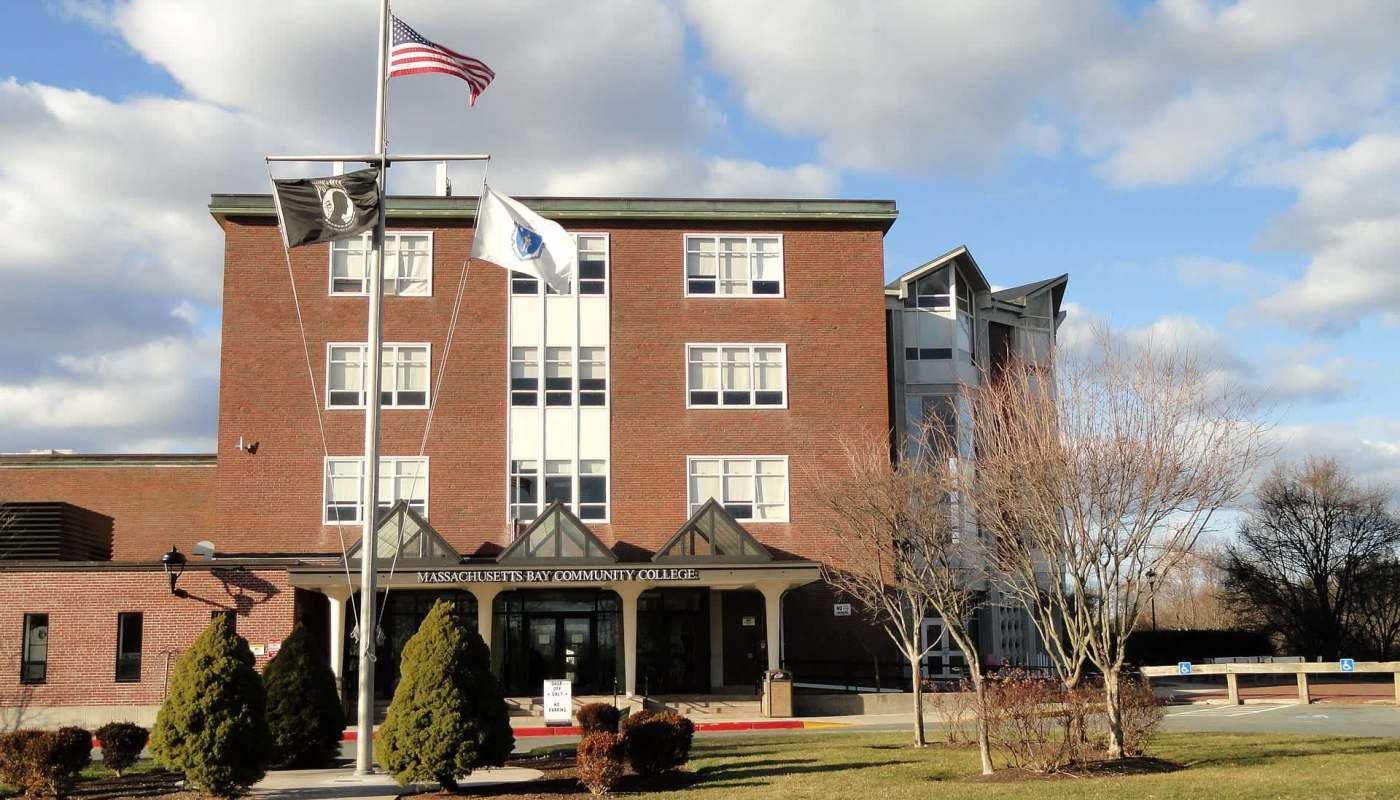
About half of MassBay Community College's students use the tuition-free program, according to the governor's office. The Framingham college set an enrollment record of 5,555 in fall 2026, bringing its growth since the program's launch to 59%.
State leaders credited the tuition-free program for enrollment growth during an Oct. 26 visit to MassBay's nursing classrooms and health sciences labs, according to This Week in Worcester. The visitors were Gov. Maura Healey, Senate President Karen Spilka, and Lt. Gov. Kim Driscoll.
TCD Picks » Quince Spotlight
💡These best-sellers from Quince deliver affordable, sustainable luxury for all




More background
Not since 2012 had Quinsigamond Community College in Worcester enrolled as many students as it did in fall 2025, when its headcount approached 9,000. For comparison, QCC President Luis Pedraja put the college's pandemic-era enrollment at around 6,000.
On-time credit completion stands at 40.3% among community college students, while the share returning for another fall semester is 62.2%, according to state Department of Higher Education data. Pell Grants reached 38,000 community college students in 2025. The governor's office put the 2023 total at roughly 22,000.
Black and Hispanic or Latino students have completion rates below the overall six-year community college rate of 34.4%, according to the Department of Higher Education's report.
Nearly 176,000 undergraduates attended Massachusetts public colleges and universities in fall 2026. The 2.2% enrollment increase marked a fourth straight year of growth.
What can be done?
Having a bachelor's degree or more than one associate degree makes a Massachusetts resident ineligible for tuition- and fee-free attendance at QCC, according to This Week in Worcester.
Students must also apply for aid and complete either the Free Application for Federal Student Aid or the Massachusetts Application for State Financial Aid. They must enroll in at least six credits each semester in an approved program.
The age restriction ended in 2024, when Healey and the legislature expanded the statewide program. At its launch in 2023, tuition- and fee-free attendance was available to residents 25 or older.
"These enrollment gains are exactly what we hoped to achieve when we removed the burden of paying for community college," Spilka said, according to This Week in Worcester.
Where can I learn more?
Tuition-free community college gives Massachusetts residents a way to lower their education costs, and other efforts help education at large.
• Massachusetts is expanding literacy support, letting Title I students choose 10 books to keep.
• In Massachusetts, Burncoat school options reach $710 million, with tax hikes or cuts possible.
• Massachusetts has erased $52 million in debt for 6,000 consumers and banned a collector.

Get TCD's free newsletters for easy tips, smart advice, and a chance to earn $5,000 toward home upgrades. To see more stories like this one, change your Google preferences here.
Cool Picks







