


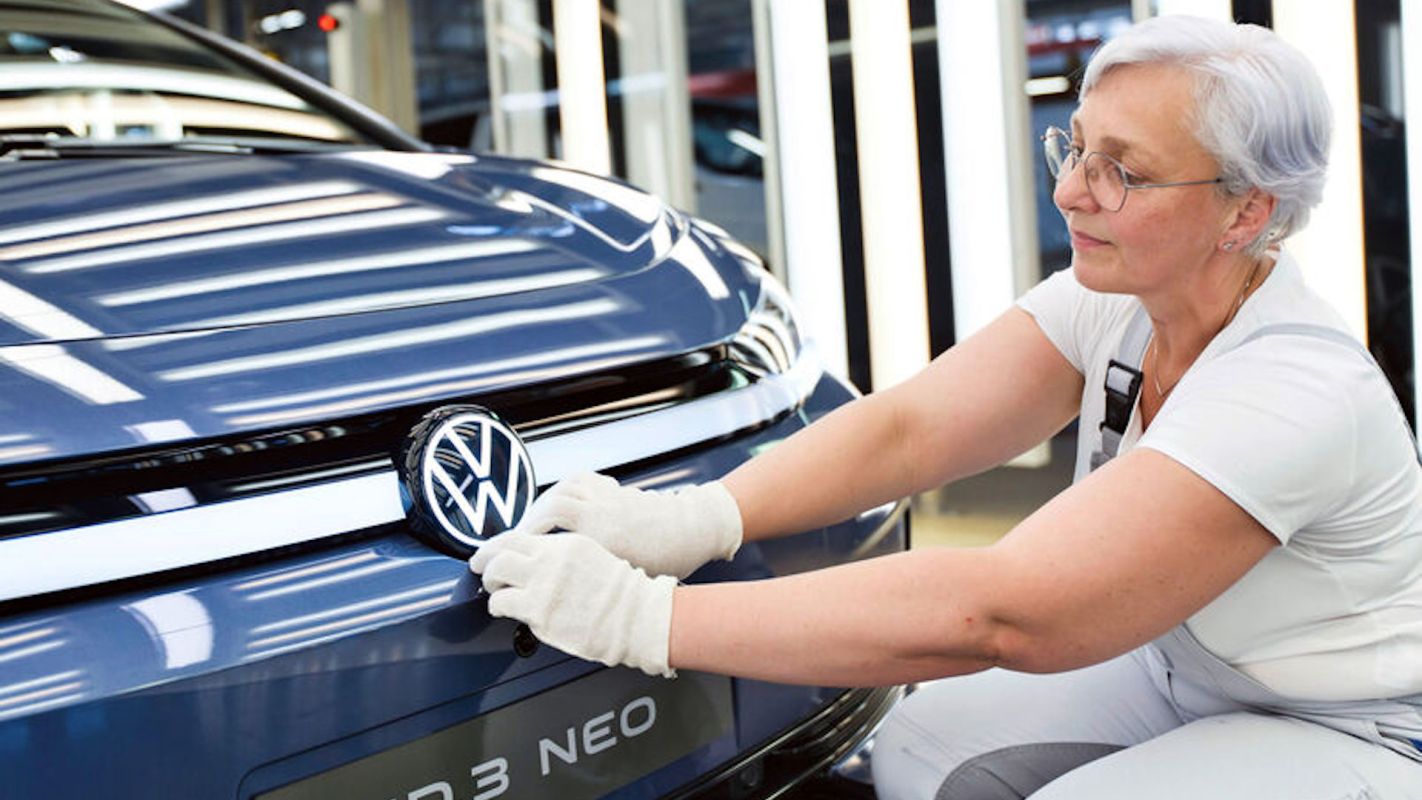
Recovering parts to keep cars on the road is a new assignment for Volkswagen's all-electric factory in Zwickau, Germany.
Here's what to know
The factory has opened an eight-stage industrial dismantling line, according to InsideEVs. The factory will eventually accept cars no longer suitable for use, but pre-production vehicles will go through the process first.
Starting in 2027, the line is scheduled to handle 4,100 vehicles per year using a two-shift schedule.
The operation will employ 100 workers retrained for the assignment, giving employees at the electric-vehicle manufacturing hub a new role in recovering usable parts and materials.
The construction and approval process lasted nine months and finished three months ahead of schedule, InsideEVs reported. Volkswagen said reusing manufacturing equipment helped lower setup costs.
More background
The new assignment follows a €1.2 billion (approximately $1.34 billion) transformation of Zwickau into an electric-car manufacturing hub, which began in 2018, InsideEVs reported.
TCD Picks » Quince Spotlight
💡These best-sellers from Quince deliver affordable, sustainable luxury for all




Volkswagen started building the ID.3 there in November 2019, and the factory produced its last combustion-engine car in June 2020.
The conversion concluded with the ID.5 in January 2022. Modified production lines, increased automation, and substantial staff training enabled production of six electric models for Volkswagen, Audi, and Cupra using the company's MEB electric-vehicle platform.
However, InsideEVs reported that Zwickau has no plans for vehicle manufacturing after 2031, leaving its longer-term manufacturing future uncertain as Volkswagen expands the recycling side of the business.
What's being done?
Motors and transmission components are among the most sought-after recovered parts, along with doors and bumpers. Volkswagen said sales of usable original components salvaged at Zwickau began in July, InsideEVs reported.
Lower repair costs are intended to help older vehicles stay in use rather than be written off. Volkswagen makes the recovered parts available through its dealership and service network, as well as independent repair shops and parts sellers.
To keep plastics suitable for new components, Volkswagen sorts them before recycling; its recovery work therefore extends beyond salvaging intact parts.
According to the automaker, as reported by InsideEVs, plastics salvaged from one car could provide recycled material for three new vehicles, giving the dismantling line another way to put recovered resources to use.
Volkswagen's planned investment in the recycling business totals up to €90 million (approximately $100.35 million), while Saxony's government has committed €10.7 million (approximately $11.93 million), according to InsideEVs. The expansion could eventually support 1,000 jobs.
Where can I learn more?
Salvaging parts at Zwickau could help keep cars on the road while putting recovered materials back to work, an effort many are getting involved with.
• In China, EV battery recyclers are running at full capacity as smelting demand rises.
• Texas added 28 megawatt-hours of storage from repurposed batteries previously used in electric vehicles.
• In Covington, Georgia, a startup is working to revive a battery recycling plant.

Get TCD's free newsletters for easy tips, smart advice, and a chance to earn $5,000 toward home upgrades. To see more stories like this one, change your Google preferences here.
Cool Picks






