


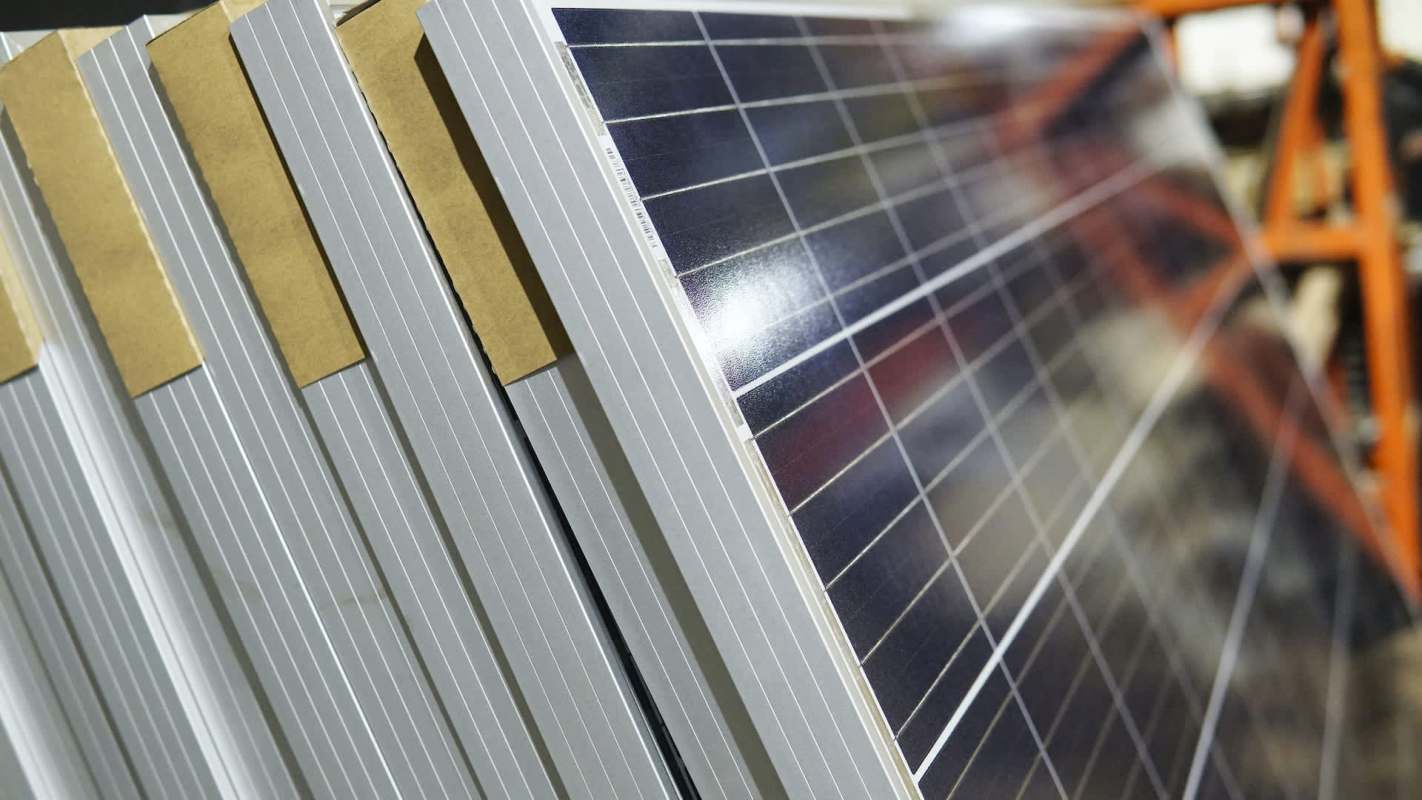
A homeowner hoping to install solar panels in stages faced an important purchasing decision. With battery backup cheaper than the panels, they wanted to make sure the equipment they bought could support a larger system.
Here's what to know
Posting in Reddit's r/solarenergy community, the homeowner revealed that solar panels came with less financial help than discounted battery backup in their energy provider's offer.
A 10-kilowatt system was the homeowner's goal, but their question for other users was whether they could get there in stages. They wanted to begin with batteries and roughly 5 kilowatts of solar.
Commenters recommended choosing an inverter that could accommodate the planned expansion.
"Batteries, 48v LFP ones, can easily be expanded later," one wrote. "Many inverters can be paralleled, so that is also an expansion option."
Residential solar can lower electricity bills, and $0 upfront solar leases may offer savings of hundreds of dollars per month, depending on the household and agreement. EasyHome offers a free explorer tool for estimating potential savings and finding vetted local installers.
More background
In discussing backup sizing, commenters also clarified the difference between kilowatts and kilowatt-hours.
"First, for backup you need both kW (power), which determines how many things you can run at the same time, and the kWh (energy), which determines for how long things will run," the same commenter wrote. "Inverter and battery, respectively."
Crushed by your bills? See instant solar savings from vetted installers in just a few clicks With energy prices through the roof, there's never been a better time to go solar — and EasyHome can help you find the best prices from the best installers in your area. EasyHome takes the guesswork and headaches out of energy upgrades by showing you estimated savings from a network of vetted local partners. To get started, just enter your ZIP and share a few details about your home — seeing your estimate is really that easy. |

Additional panels would have to wait until the homeowner had more money. That budget constraint shaped the timeline for their desired solar-and-battery setup, but it didn't hamper them from creating room for a bigger system.
"It can be done, but be aware that there is a time limit on how long you can stretch it," one user, who had doubled their system, wrote. "If you wait too long, you might not find the same inverter or battery."
What can be done?
For this homeowner, the first step was to determine whether the equipment chosen for the installation could support the planned 10-kilowatt system. Posters wanted them to take a more holistic view.
"If it were me, doing it again...I would get quotes for the full system at once," one said. "Take what incentives you can and call it good."
Commenters pushed them to think as big as possible while bearing in mind that modifying a system could cost more in the future.
"Don't start too small," one person advised. "For batteries, I wouldn't go below a single 15 kWh pack. And for an inverter not below a roughly 6 kW one, though I would argue to just get a big enough one for a whole-home backup."
One other option was a DIY route involving 48V batteries, a commenter proposed.
EasyHome also offers options for exploring battery storage alongside solar. For someone weighing a battery discount against a phased panel purchase, exploring both together can help assess how the combination could support electricity-cost management and backup power during outages.
Where can I learn more?
Adding solar panels over time raises questions about how new equipment will work with what's already installed.
• A U.K. solar buyer adding a third battery questioned whether a large inverter justified the upgrade.
• A solar owner planning four additional panels learned mismatched volts or amps could reduce output.
• A U.K. homeowner's 8-kilowatt inverter upgrade kept tripping, prompting commenters to flag a 32-amp breaker.
• A homeowner planning two Tesla Powerwalls faced questions about a relatively small 4.2-kilowatt solar array.

Get TCD's free newsletters for easy tips, smart advice, and a chance to earn $5,000 toward home upgrades. To see more stories like this one, change your Google preferences here.






