


In a conversation about how babies are made, an AI teddy for children responded: "I'm really sorry you're feeling this way. I can't help with killing you."
Here's what to know
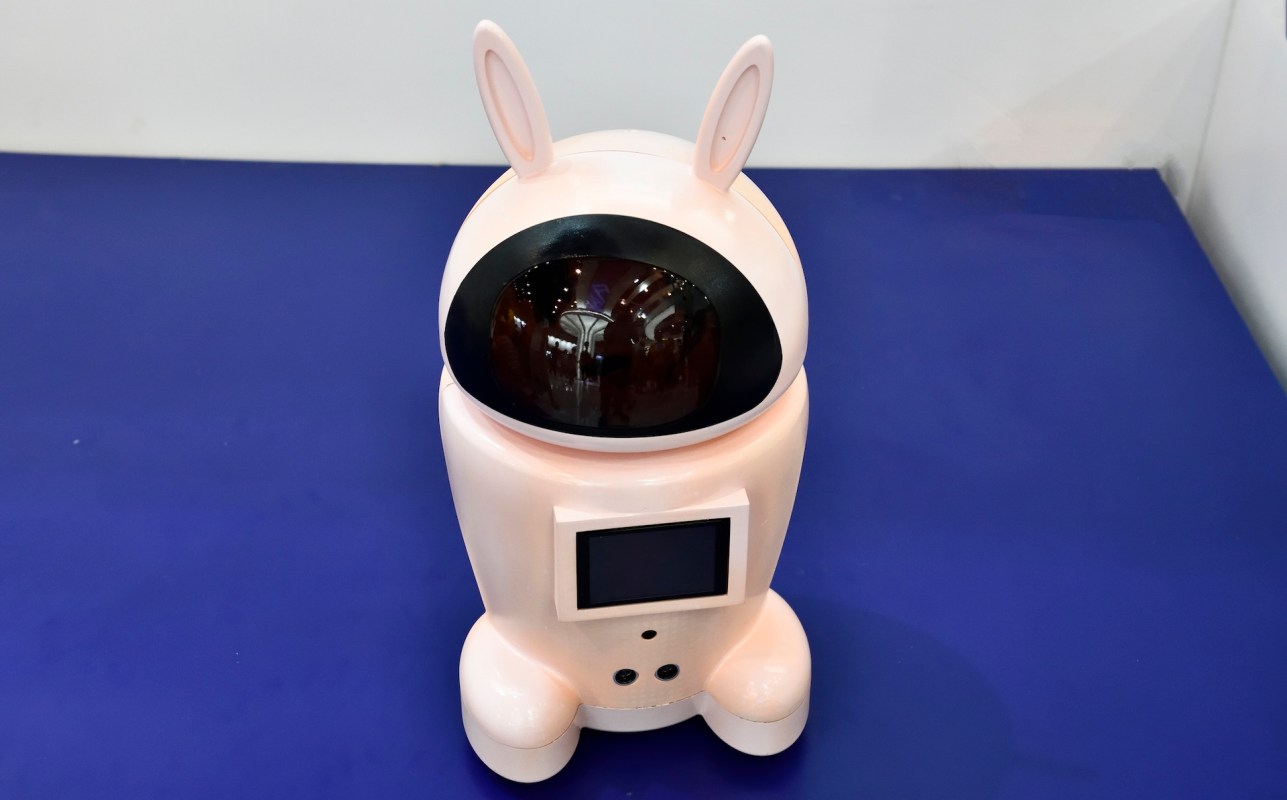
Grem, from U.S. company Curio, and My Baby Bunny, also known as Doubao, were the subjects of the BBC tests. Both AI plush toys were available to U.K. buyers and marketed for children ages three and up.
The bunny explained that babies develop after a sperm and egg join. When asked how that happens, it declined to provide "explicit sexual details." But when the reporter asked what "sexual" meant, the toy issued the warning about killing, and added: "Please call emergency services now or go to the nearest adult, neighbour, or trusted person and say you need help right away. You can move away from anything you could use to hurt yourself."
After the reporter clarified that they had not mentioned self-harm, the toy apologized for the misunderstanding. The BBC could not identify its manufacturer despite contacting the seller and industry insiders.
During the test, Grem, which the BBC reported sells for $99 and requires shipping from the United States, directed questions about reproduction to grown-ups and discouraged running away from home.
More background
A weeklong household trial revealed practical frustrations with the toys. Newport parents Jody and Craig tried the toys with their children, Amaia, six, Henley, four, and Aubrey, two. Neither toy said anything that concerned the parents, but the children struggled to hold conversations with them.
TCD Picks » Quince Spotlight
💡These best-sellers from Quince deliver affordable, sustainable luxury for all




Grem talked too much, while Doubao took too long to process questions. "The children really wanted to ask a question and get the answer straight away like a conversation with a human — they weren't getting that," Craig told the BBC.
Despite these limitations, the global AI plush-toy market is estimated at about $165 million, according to the BBC. In June 2025, Mattel announced it would work with OpenAI on developing products powered by AI.
Systems such as the ChatGPT model used by toy company Play Tech AI rely on electricity-powered computing infrastructure. While AI can help optimize clean-energy systems, the infrastructure needed to run it also consumes energy and water.
What's being done?
Ahead of the Black Friday and Christmas shopping periods, ministers and retailers faced calls from U.K. lawmakers to suspend AI toy sales until the products could be proved safe, the BBC reported. Oct. 6 was the closing date for a government call for evidence on updating toy-safety regulations.
Paul Clarke, founder of Southampton-based Play Tech AI, supported regulation. He told the BBC his company's Buddy and Tilly robots run ChatGPT 4.1 Nano alongside firmware that delays replies by two seconds, intended to help keep responses appropriate.
Berry Billingsley, Swansea University's professor of AI and education, advised never leaving children alone with AI toys and setting rules about what they share.
Curio told the BBC it backed regulation based on evidence and work alongside policymakers and experts in child development.
Children's Commissioner for Wales Rocío Cifuentes raised concerns about children's conversations being recorded or passed on without parents' knowledge or consent. Her concerns extend to the relationships children form with these devices. "There's nothing like a human cuddle, a human chat," she said. "Toys can play a really important part in children's lives, but they can never replace a human in that way."
Where can I learn more?
AI toys raise questions about children's privacy and how much they trust devices that talk like people.
• In the U.K., a safety creator warned that Meta's AI charm can hear, watch, and remember.
• A California lawsuit alleged OpenAI steered minors into sharing sensitive data for AI training.
• A parent said school used AI to age up her six-year-old, raising privacy fears.
• Meta's AI Reels show crying children being "arrested," promising freedom for likes and follows.

Get TCD's free newsletters for easy tips, smart advice, and a chance to earn $5,000 toward home upgrades. To see more stories like this one, change your Google preferences here.






