


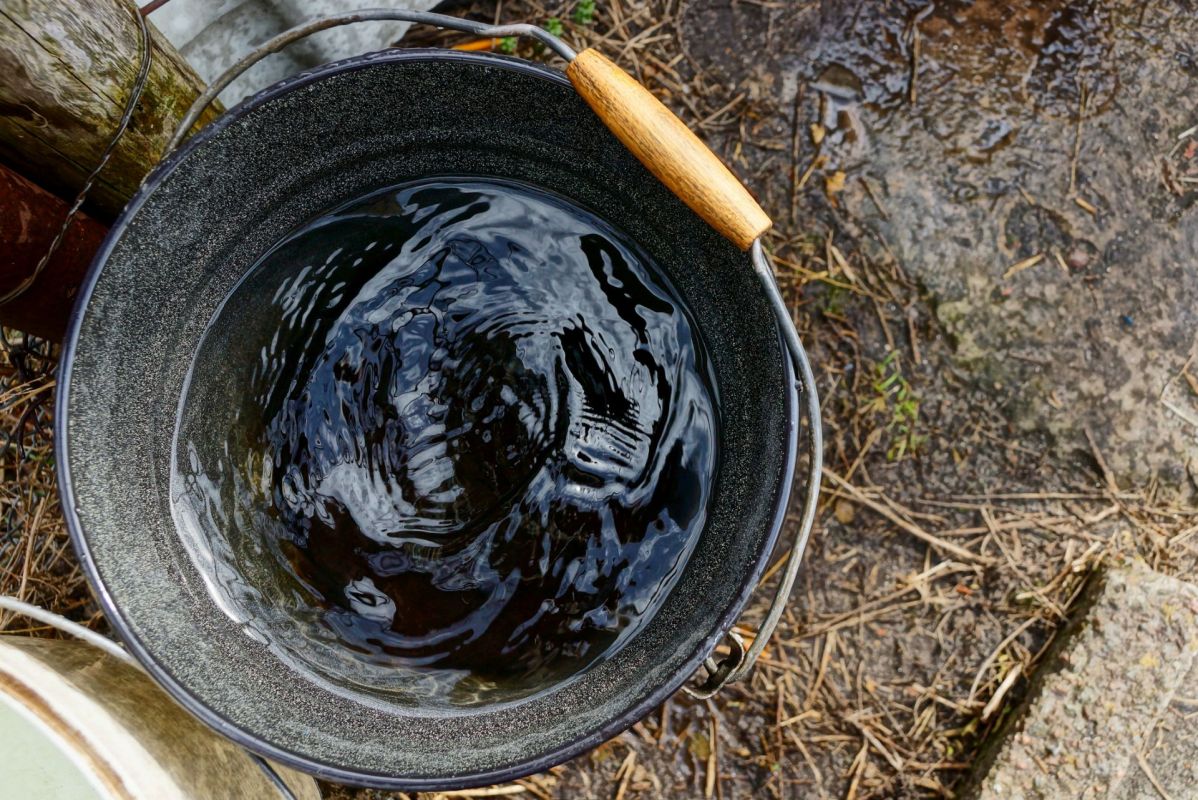
Without toilets, families in South Africa's Siyakhana informal settlement use buckets for sanitation. The settlement also has no taps, leaving residents to collect drinking water from a rusty fire hydrant.
For one mother, buying water she feels is safe enough for her baby means spending her children's social grants and borrowing from loan sharks.
Here's what to know
The land beside Oscar Mpetha Road in Khayelitsha became Siyakhana during the 2020 COVID-19 lockdown, according to GroundUp.
South Africa's Department of Public Works and Infrastructure owns the property occupied by the families. The land had been designated for Mandela Park's Mahama infill housing project.
Community leader Nzondi Javu said 187 families initially settled there, but about 165 fled following threats and attacks by Mandela Park backyarders seeking housing through the project.
Residents reported petrol-bombing of their homes, with attacks being reported between August and November 2023.
TCD Picks » Quince Spotlight
💡These best-sellers from Quince deliver affordable, sustainable luxury for all




A City of Cape Town survey counted roughly 43 structures serving as homes, businesses, and recreational spaces. The City says landowners must give permission before taps and toilets can be installed. Families remain without either, despite relocation discussions with the City in 2023.
More background
Javu, who has three children, walks about 15 minutes to reach a fire hydrant to collect water, according to GroundUp. The water's appearance worries her, even as she depends on it for drinking, cooking, and laundry.
"The water comes out dirty first and then becomes clearer. You must wait until it comes out clean."
When it rains, Javu collects water leaking through her roof. She also buys water from a nearby shopping center to prepare food and bathe her eight-month-old baby. Sometimes, she can only wipe the baby with a damp cloth.
Javu said she owed a loan shark R600 (approximately $36 USD) for water.
"I buy water for my baby because I fear the fire hydrant water may make her sick," Javu said. "Buying water bankrupts me because I don't work."
GroundUp reported that Noxolo Fadana, a community leader and caregiver in Pinelands, said carrying water leaves her with backache and exhaustion.
She and her three children use a bucket inside their shack as a toilet, then empty it into a nearby drain, sometimes during the night.
What's being done?
Cape Town's Mayco member for human settlements, Carl Pophaim, said the City was identifying land where the families could move. Which relocation sites had been considered since 2023, and why they had been rejected, remained unanswered.
Back in November 2023, the City said it was "looking into all feasible options to assist the community." Its position has changed little since November 2023.
The City approached the Department of Public Works and Infrastructure, according to its regional manager, Dumisani Gqibela.
He said, "Various meetings were held and engagements are currently ongoing."
Ownership of the property would pass to the City and the Housing Development Agency under the department's long-term plan, Gqibela told GroundUp.
Where can I learn more?
Families elsewhere in South Africa and around the world also struggle to get safe water.
• In South Africa, residents were told to avoid drinking tap water after 400 fell ill.
• Dallas County's Sand Branch settlement still lacks running water and relies on church donations.
• A water utility apologized after 17,000 London residents endured five days without water in summer heat.
• Hawaiʻi condo residents went 10 weeks without drinking water as their utility lacked repair funds.
• In France, 94,000 residents rely on tankers and bottled water as drought worsens.

Get TCD's free newsletters for easy tips, smart advice, and a chance to earn $5,000 toward home upgrades. To see more stories like this one, change your Google preferences here.






