


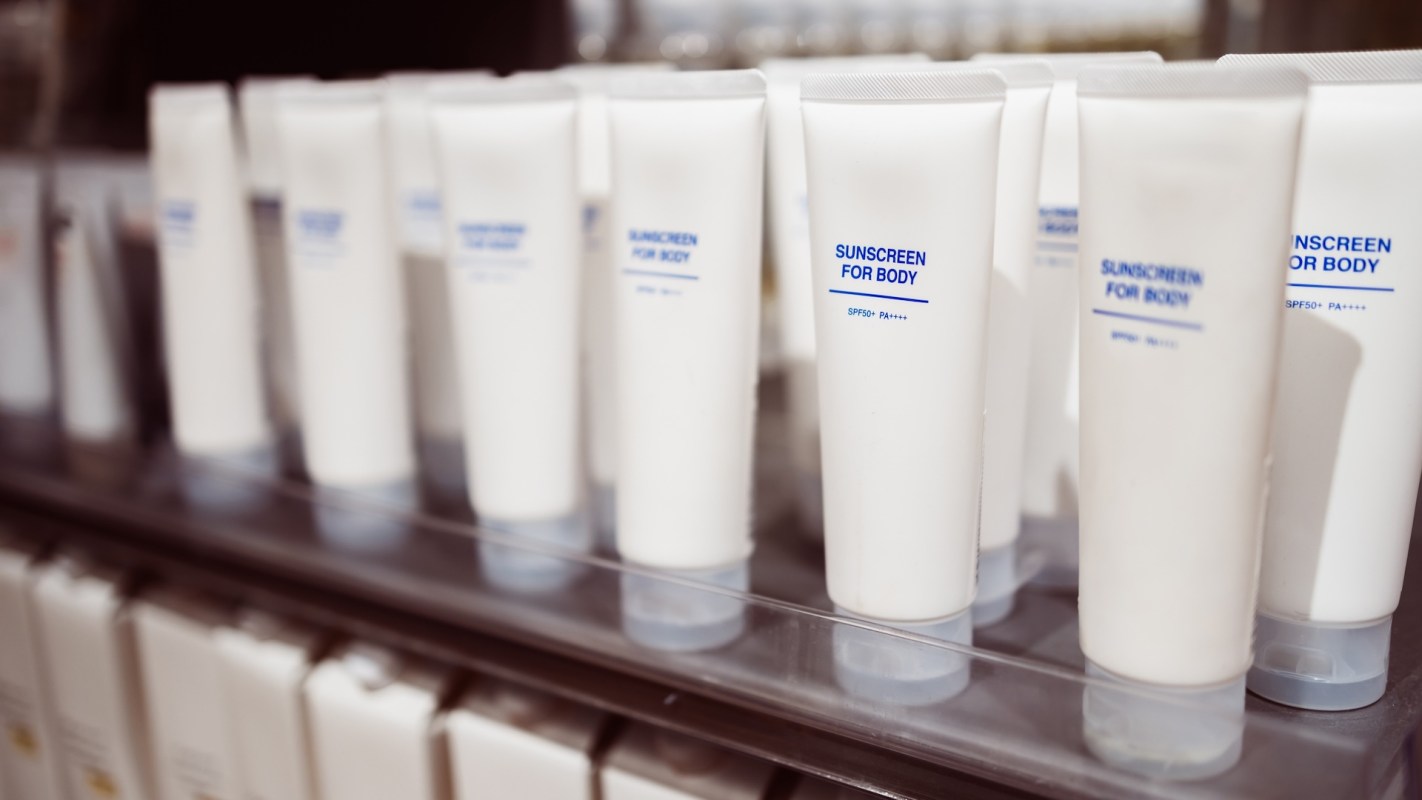
While sunscreen is meant to protect skin from harmful ultraviolet rays, testing by Consumer NZ found that a high price does not always guarantee the protection promised on the label.
Coola Zinc Oxide Sunscreen Lotion 50, which costs $69 per 3.4 fluid ounces (100ml), delivered just SPF14 protection despite its SPF50 claim. It was among seven of 10 sunscreens that fell short of their advertised protection.
Here's what to know
Consumer NZ tested sunscreens costing between $4 and $76 per 3.4 fluid ounces (100ml), checking their SPF and broad-spectrum claims, RNZ reported. While all 10 sunscreens delivered broad-spectrum protection, only three matched the SPF level advertised on the label.
As of the time of RNZ's article, the lotion's product listing returned an error message, suggesting it had been taken down. The sunscreen was near the top of the tested products' price range.
"The other six sunscreens that did not meet label claims still offered high protection of SPF 30 or higher — they just didn't deliver the SPF promised on the label," said Belinda Castles, a researcher at Consumer NZ, per RNZ.
Two lower-priced products, however, delivered on their claims: Smart365 Sun Sunscreen Lotion SPF50+, priced at $4 per 3.4 fluid ounces (100ml), and Cancer Society Everyday Protection SPF50, which costs $9 per 3.4 fluid ounces (100ml).
TCD Picks » Quince Spotlight
💡These best-sellers from Quince deliver affordable, sustainable luxury for all




More background
RNZ reported that New Zealanders face some of the world's steepest odds of developing skin cancer, melanoma included.
Castles said New Zealanders need labels they can trust, since sunscreen is often their main defense against skin damage.
Exposure to either UVA or UVB rays can lead to skin cancer. Broad-spectrum sunscreens add protection against UVA rays, which sink deeper into skin and are linked to premature wrinkles and dark spots. UVB radiation is the main driver of sunburn, and SPF measures how well a sunscreen blocks it.
The findings also echo last year's testing by Choice, an Australian consumer group, which found that 16 of the 20 sunscreens it tested came up short of their SPF label claims. According to Castles, New Zealand shelves carry 11 of those same products.
What's being done?
The Commerce Commission has received Consumer NZ's findings. Shoppers can also search the organization's sunscreen database, which sorts results by cost, SPF rating, water resistance, and testing date.
The organization has raised this concern before. It has previously found that some companies leaned on test results that were years old. Under the Sunscreen (Product Safety Standard) Act 2022, sunscreen sold in New Zealand must be independently tested and meet the joint Australian and New Zealand standard, according to RNZ.
According to a Cabinet paper, the Social Outcomes Committee had provisionally approved treating sunscreens as a "boundary product" under the proposed Medical Products Bill, pending completion of a cost-benefit assessment. The bill would replace the Medicines Act.
Under the proposed approach, notified sunscreens would require registration, compliance with the joint standard, and evidence supporting their claims, but Medsafe would not assess them before sale.
Until the 2022 act is repealed, the current sunscreen regime stays in place.
"Our latest test results show why regular sunscreen testing is essential," Castles said.
Where can I learn more?
Other products' marketing claims and safety have been questioned.
• The U.K. expanded a Simple cleansing water recall amid concerns over misleading beauty claims.
• New Zealand's PD Mart allegedly sold 57 non-compliant products, including children's car seats.
• WIRED testing found no labeled active ingredient in viral New York bodega peptides.
• Dr. Squatch buyers could split $9 million over claims its hygiene products were natural.
• Costco sought to dismiss an Orgain lawsuit, calling its "clean" label marketing puffery.

Get TCD's free newsletters for easy tips, smart advice, and a chance to earn $5,000 toward home upgrades. To see more stories like this one, change your Google preferences here.






