


An older switchboard or gas hot water system could leave Australian homebuyers facing costs beyond the purchase price, according to RACV.
For those planning to go electric, checking a property's wiring, appliances, and roof before making an offer can help identify the upgrades they will need to budget for.
Here's what to know
A household's transition can include electric vehicle charging, batteries, and rooftop solar.
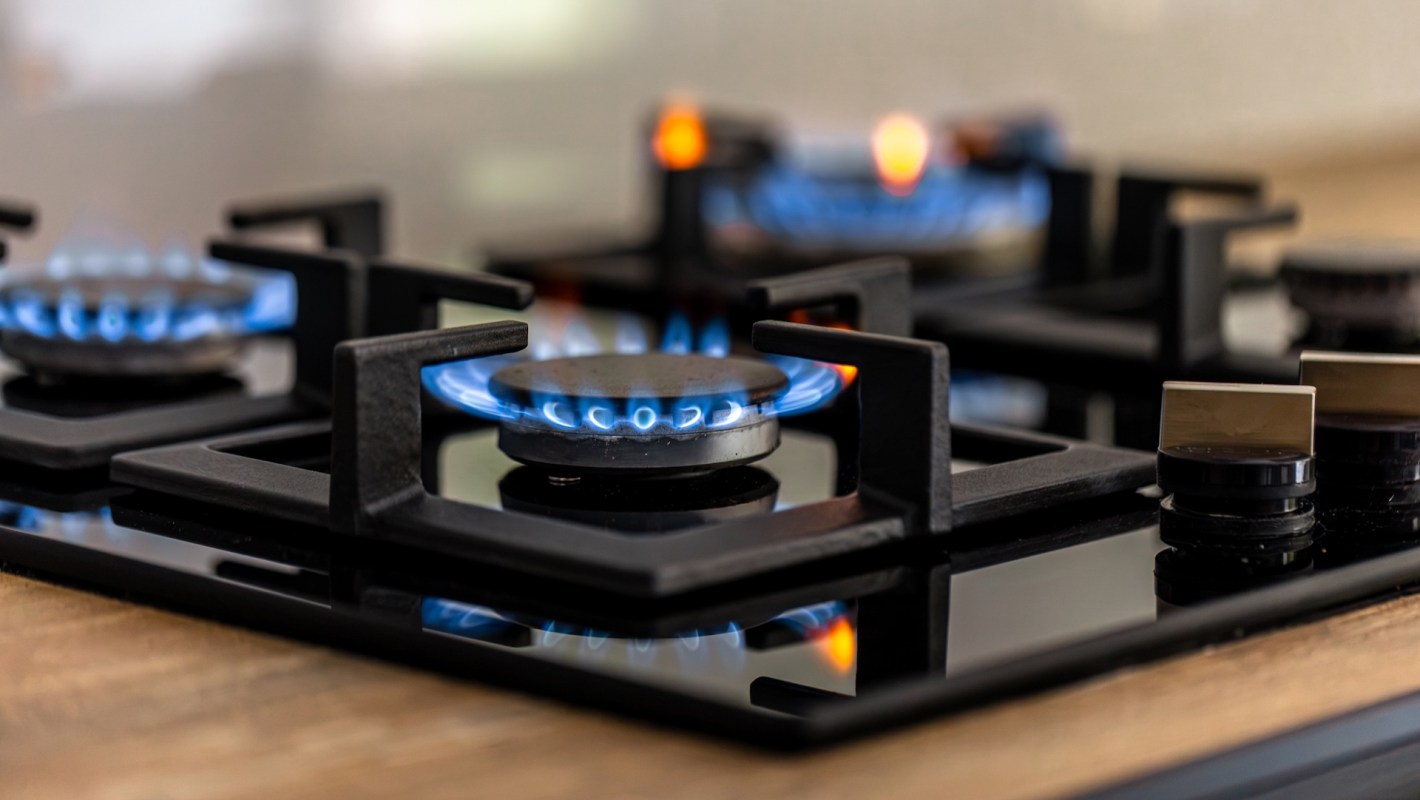
Home electrification involves replacing gas-powered equipment with electric alternatives, including induction cooktops, heat pump hot water systems, and reverse-cycle air conditioning.
Running several appliances simultaneously can create substantial peak demand, even when the equipment is energy-efficient.
A future upgrade budget should account for gas appliances that buyers plan to replace; efficient electric equipment already installed may shorten that replacement list.
During an inspection, checking energy sources for hot water, heating, and cooking helps buyers determine what remains.
Rooftop solar can reduce electricity costs, and $0-upfront solar leases can offer savings of hundreds of dollars per month, depending on the household and arrangement. EasyHome's free explorer tool helps you estimate your possible savings and find vetted local installers.
Crushed by your bills? See instant solar savings from vetted installers in just a few clicks With energy prices through the roof, there's never been a better time to go solar — and EasyHome can help you find the best prices from the best installers in your area. EasyHome takes the guesswork and headaches out of energy upgrades by showing you estimated savings from a network of vetted local partners. To get started, just enter your ZIP and share a few details about your home — seeing your estimate is really that easy. |

More background
New residential buildings in Victoria must be all-electric from Jan. 1, 2027.
Requirements to replace gas water heaters at the end of their useful life with efficient electric models take effect on March 1, 2027, subject to exemptions.
For established homes, the age of the gas water heater and home heating equipment is particularly important. Replacing this equipment could also require electrical upgrades, adding to the cost of the transition.
New Victorian rental energy-efficiency requirements begin March 1, 2027, covering temperature control, water heating, insulation, and other measures.
Beyond the appliances themselves, a building's condition can affect running costs.
Insulation, draught sealing, double glazing, window coverings, shading, and orientation can all lower the energy needed for heating and cooling.
What can be done?
For a roof without solar panels, consider available space, repair needs, orientation, and shading.
Where panels are already installed, RACV recommends checking the paperwork, condition, output capacity, and installation date. Completing major roof work before installing solar can also prevent the later cost of removing and reinstalling panels.
A long or complex wiring route can make installing a home EV charger more difficult. Buyers intending to charge at home should therefore check the property's off-street parking and its distance from the switchboard.
Apartment and townhouse buyers should also check approval requirements. Chargers in shared areas may require permission from the owner and improvements to shared electrical systems.
Include space for battery storage in the inspection checklist. EasyHome also helps people compare battery storage options, helping buyers weigh storage alongside a property's solar potential. Pairing solar with a suitably configured battery can help manage electricity costs and provide backup power during outages.
A possible upgrade from single-phase to three-phase power belongs in the pre-offer electrical assessment.
Buyers should have a qualified electrician determine whether that change is necessary and whether the property's supply can support the equipment they intend to install.
Where can I learn more?
Electrical faults and aging equipment can leave homebuyers with surprise expenses. These stories cover concerns about replacing electrical panels and UK buyers weighing boiler costs.
• A homeowner considering an electrical panel swap faced warnings that existing breakers could fail.
• UK first-time buyers were told their boiler was fine, then faced a £3,000 warning.
• UK first-time buyers discovered an unusually old boiler and received conflicting advice about replacement.

Get TCD's free newsletters for easy tips, smart advice, and a chance to earn $5,000 toward home upgrades. To see more stories like this one, change your Google preferences here.






