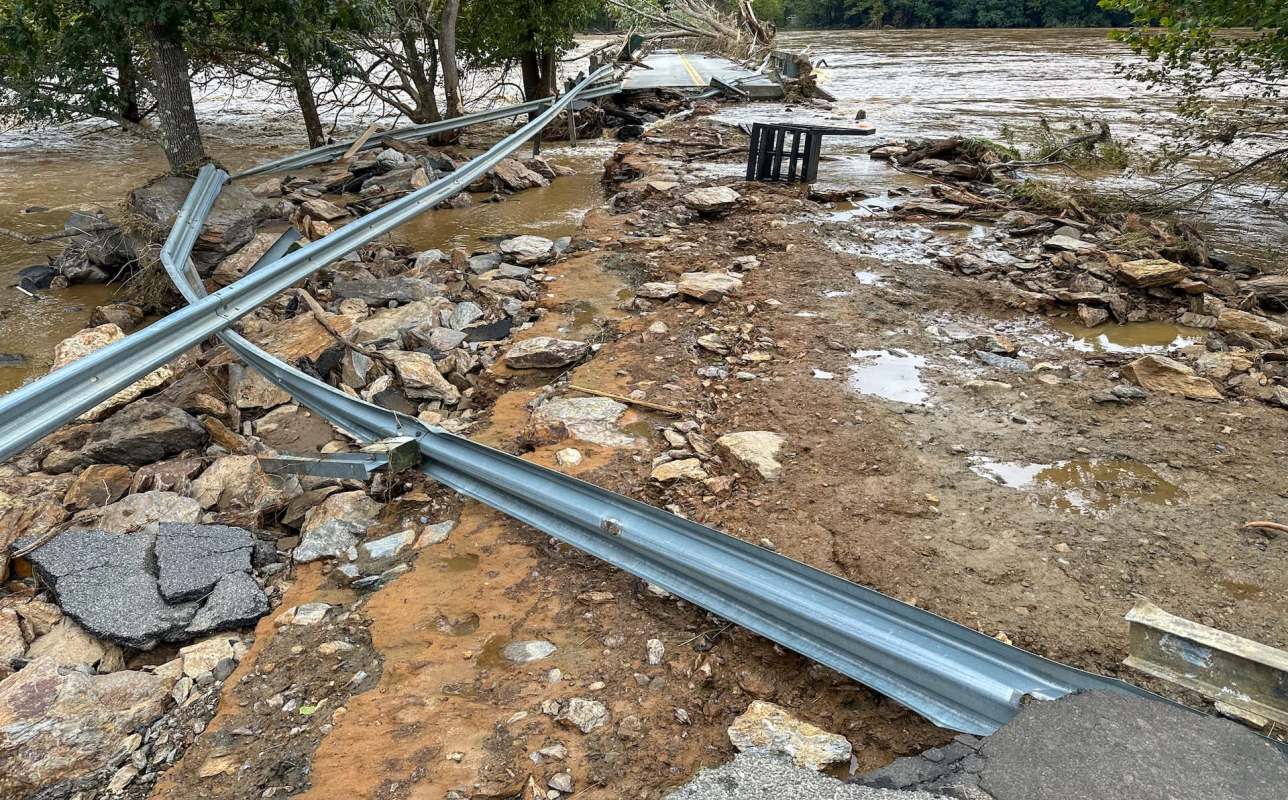
Data analytics firm Cotality warns that West Virginia's roughly 900,000 homes face nearly $1 billion in weather-related damage each year, underscoring why homebuyers may need to look beyond a property's price to determine what they can afford.
Here's what to know
A Cotality ranking placed West Virginia fourth among states for average annual property losses across all forms of damaging weather, according to Scotsman Guide.
Louisiana, Mississippi, and Florida took the top three spots.
"West Virginia doesn't have headline-grabbing hurricanes or wildfires, but its topography leaves it highly exposed," Cotality Chief Scientist Howard Botts said in the report.
The ranking examines extreme weather exposure over approximately 20 years.
Annual property losses already exceed $43 billion for the 10 highest-risk states, compared with around $11 billion for the 10 lowest-risk states, the outlet reported.
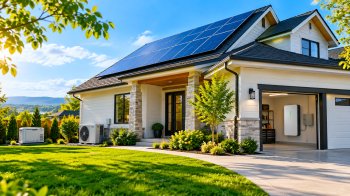
Residential solar can help homeowners lower their utility bills, and $0-upfront solar leases can save you hundreds of dollars per month, depending on the home and agreement. EasyHome's free explorer tool estimates your potential savings and finds vetted local installers.
More background
Insurance accounted for nearly one-tenth of a typical homeowner's monthly mortgage payment, per ICE Mortgage Technology.
Crushed by your bills? See instant solar savings from vetted installers in just a few clicks With energy prices through the roof, there's never been a better time to go solar — and EasyHome can help you find the best prices from the best installers in your area. EasyHome takes the guesswork and headaches out of energy upgrades by showing you estimated savings from a network of vetted local partners. To get started, just enter your ZIP and share a few details about your home — seeing your estimate is really that easy. |

Nationwide premiums in June were about 80% higher than in early 2020.
Cotality projects a 47% rise in annual property losses for the 10 highest-risk states by 2050, compared with 38% for the 10 lowest-risk states. Flooding, hurricanes, and severe thunderstorms are expected to cause the largest losses.
Florida's annual losses could reach $17.5 billion in 2050, a 62.3% increase.
California, meanwhile, has the most properties facing extreme weather exposure, and its wildfire losses could reach roughly twice their current level by that year, Scotsman Guide reported.
What can be done?
The expected length of homeownership should guide how far ahead buyers look when assessing weather risks.
For those buying in 2026, Scotsman Guide recommends examining potential changes in flooding, wildfire, wind, and severe thunderstorm exposure over that period.
People are spending more time in the same home because housing turnover is historically low.
Borrowers are also encountering insurance affordability checks early — lenders and mortgage originators assess that expense when the borrowing process begins.
Pairing solar with batteries can help households manage electricity costs and provide backup power during outages, depending on the system's capacity and setup. EasyHome also lets homeowners explore battery storage options.
Botts described a geographic vulnerability in West Virginia that homebuyers often overlook.
"Much of its housing sits in mountain valleys, so as the region gets wetter, flood risk is rising sharply," he observed.
Where can I learn more?
Homeowners outside West Virginia are also facing costly weather damage and rising insurance bills. These stories examine home repair debt, wildfire costs, and meager insurance payouts.
• Across the U.S., homeowners have taken on repair debt due to weather damage.
• In Oregon, wildfire risk is squeezing home insurance, as open houses offer personalized help.
• A Florida couple received just $2,279 from insurance after two hurricanes destroyed their home.

Get TCD's free newsletters for easy tips, smart advice, and a chance to earn $5,000 toward home upgrades. To see more stories like this one, change your Google preferences here.