


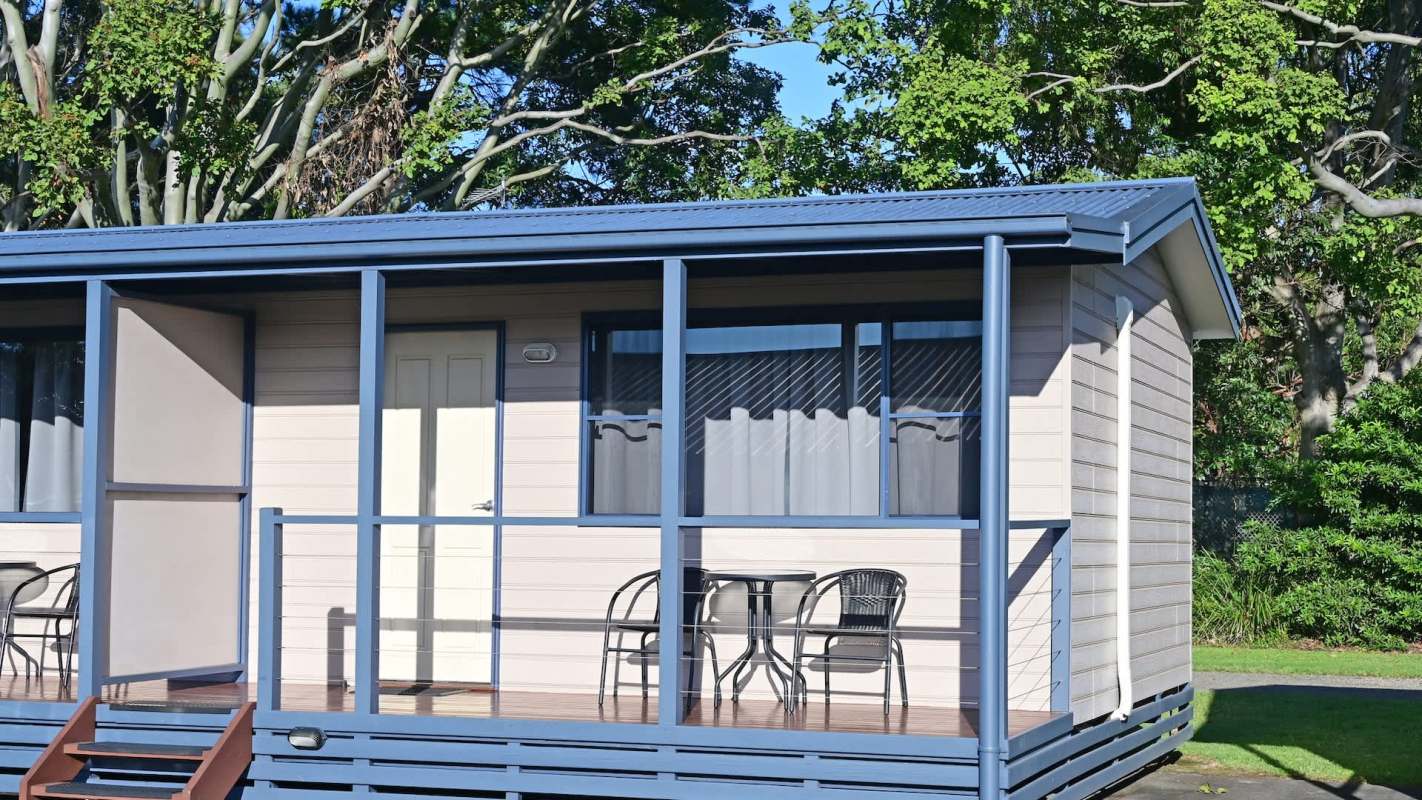
A church became the owner of 20 tiny homes intended for vulnerable Hawaiʻi residents for $1. The development, which has raised concerns, had received $716,000 in state spending before the sale.
Support services are absent from the site, which now houses 31 rent-paying residents, including seniors and people with disabilities. The state has also flagged safety issues there.
Here's what to know
Shared bathrooms, laundry facilities, and a communal kitchen were part of the plan to provide 30 beds for homeless older adults and families. The homes were installed at Cedar Church in Honolulu's Kalihi Valley in August 2024 as part of Governor Josh Green's kauhale housing initiative, Civil Beat reported.
The state homelessness office negotiated a $1 sale to HI Good Samaritan Foundation, the church's registered charity, after first seeking $400,000 from the church. Concerns about liability, record-keeping, plumbing, and electrical work led the state to withdraw.
A central element of Green's program — wraparound health and social services — is missing for residents.
Retired teacher Evelyn Ordoñez Aguinaldo, 82, told Civil Beat she pays $600 per month, including water and electricity. She said there are no on-site caregivers, despite many residents having mobility or mental health challenges. When help is needed, she said, the county calls emergency services.
TCD Picks » Quince Spotlight
💡These best-sellers from Quince deliver affordable, sustainable luxury for all




More background
An audit by state auditor Les Kondo's office found that the Cedar Church units were installed without written contracts outlining the church's operating responsibilities, ownership rights, costs, or liability, according to Civil Beat.
According to the audit, the state's spending included home purchases totaling $429,000, improvements costing $150,000, and $137,000 for meter upgrades and a solar installation.
Electrical safety was another point of dispute. A construction company's vice president, Cliff Tillotson, said a licensed electrical contractor performed the work. Hawaiian Electric, however, questioned wiring drawings and metering equipment in a September 2024 letter.
Tillotson also acknowledged that the church's pastor later allowed residents to use extension cords for their appliances, Civil Beat reported.
The fallout could make construction companies less willing to help with future housing projects, Tillotson warned. His company had contributed more than $600,000 in labor, materials, and equipment use, he said.
What's being done?
Rental listings for the church property advertised monthly prices of $450 to $850. Ernie Martin, the church's attorney, said residents' payments depend on their incomes and help cover operating costs; nobody would be displaced for being unable to pay. Upkeep and liability for the homes now fall to the church, according to Civil Beat.
The church sought state and Honolulu Grant-In-Aid funding but did not receive it.
Honolulu Department of Community Services Director Anton Krucky encouraged the church to apply again. He also said county officials were helping the church seek congressional funding for its separate Cedar Farm project in Waiʻanae.
Jun Yang, director of the state homelessness office, said faith communities remain important housing partners but called for clearer expectations.
"We just want to make sure that everybody comes in with eyes wide open and a full understanding of how things will operate," he said, according to Civil Beat.
State auditor Les Kondo said documentation helps safeguard public projects.
"To be accountable," he told Civil Beat, "the state needs to have documentation so that it's clear what the parties obligations are, what the responsibilities are, and later on, so that external entities like us can see what happened."
Where can I learn more?
The Hawaii project shows why older adults need more than an affordable place to live — they also need access to care.
• California seniors say a mobile home park sale drove monthly rent from $825 to $1,600.
• In Colorado, a widow says her $96,000 tiny home made retirement possible on a fixed income.
• A Texas woman housed her parents in a tiny home but says care bills are 'drowning' her.

Get TCD's free newsletters for easy tips, smart advice, and a chance to earn $5,000 toward home upgrades. To see more stories like this one, change your Google preferences here.






