


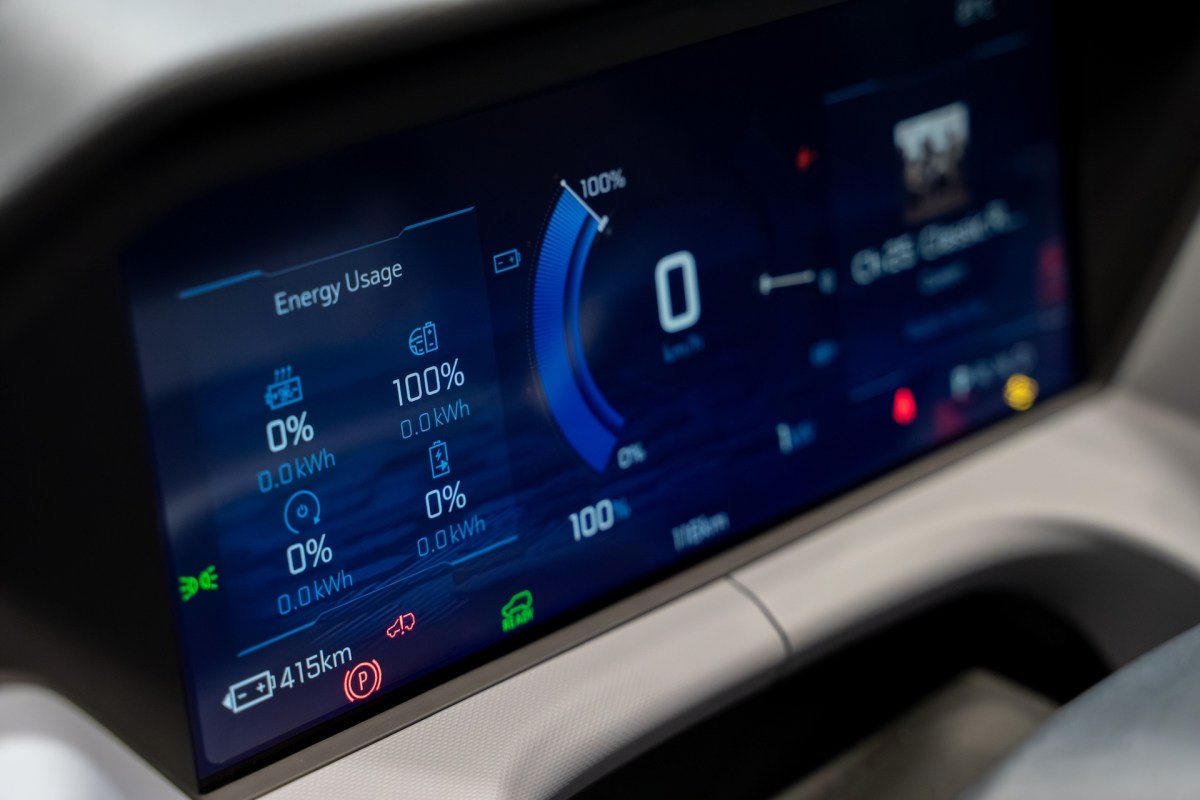
A group of EV owners with three different brands set off on a test drive to see which vehicle was the most efficient.
The test included a Nissan Leaf, a Cupra Raval, and a Renault 5.
Here's what to know
A team of content creators at Electrifying (@ElectrifyingCom) drove the Raval, Leaf, and Renault 5 over the same route, using matching climate-control settings and default drive modes.
The team used the electricity to recharge each car afterward as the basis for calculating its efficiency in miles per kilowatt-hour.
The Cupra Raval narrowly outperformed the Nissan Leaf in the 161-mile efficiency test, but recharging the cars revealed a close contest.
The Raval achieved a calculated 4.59 miles per kWh, below its dashboard reading of 4.8. The Leaf returned 4.54 miles per kWh, slightly exceeding its onboard average of about 4.45.
TCD Picks » Quince Spotlight
💡These best-sellers from Quince deliver affordable, sustainable luxury for all




That put the Raval ahead by just 0.05 miles per kWh. Replenishing its battery required 35.03 kWh of electricity, compared with 35.455 kWh for the Leaf.
More background
The route mixed town and country-road driving with motorway and divided highways. The cars averaged 35 mph across the two loops.
The Raval V2 Launch Edition tested has a 52-kWh battery and an official range of 273 miles. It costs £32,580 (about $43,800) before applicable grants.
The Leaf 75kWh Advance costs £37,999 (around $51,100) before applicable grants and has an official range of 387 miles. Based on the test results, the presenters estimated its real-world range at approximately 334 to 340 miles.
The Renault 5 Iconic Five+ has a 52-kWh battery and costs £29,695 (just under $40,000) before applicable grants. Its listed range is 255 miles, rising to 259 following a software update.
What's being done?
Regenerative braking use was allowed in the test. Drivers also kept to the speed limits. Each car began fully charged and had its air conditioning set to 65.3 degrees Fahrenheit (18.5 degrees Celsius).
Conditions were dry and calm with temperatures ranging from 62.6 to 73.4°F (17 to 23°C).
Using regenerative braking can increase efficiency, and keeping air conditioning modest can also help with battery saving.
"We'll be bringing the cars back for another test in colder winter weather to see just how much difference the temperature makes," Electrifying wrote in the video's caption.
Viewers wanted to see how different driving styles affected efficiency and suggested that the drivers switch cars for another test.
"So the Leaf looks pretty good there since it's a lot heavier (and rangier) but there's a negligible difference in efficiency," one viewer said.
Where can I learn more?
The Raval and Leaf test shows how real-world driving can put EV efficiency figures into perspective.
• A U.K. driver swapped a Skoda Enyaq for a smaller Cupra Born to test battery-size needs.
• In New Jersey, a Chevrolet Bolt beat its EPA range at 70 mph.
• BMW's iX3 outlasted Mercedes and Volvo rivals in highway range testing in Norway.
• Two EVs retained 89% and 63% of range in freezing conditions, with heat-pump technology key.
• During Nissan's buyback process, a Leaf owner said idling with AC on now felt wasteful.

Get TCD's free newsletters for easy tips, smart advice, and a chance to earn $5,000 toward home upgrades. To see more stories like this one, change your Google preferences here.






