


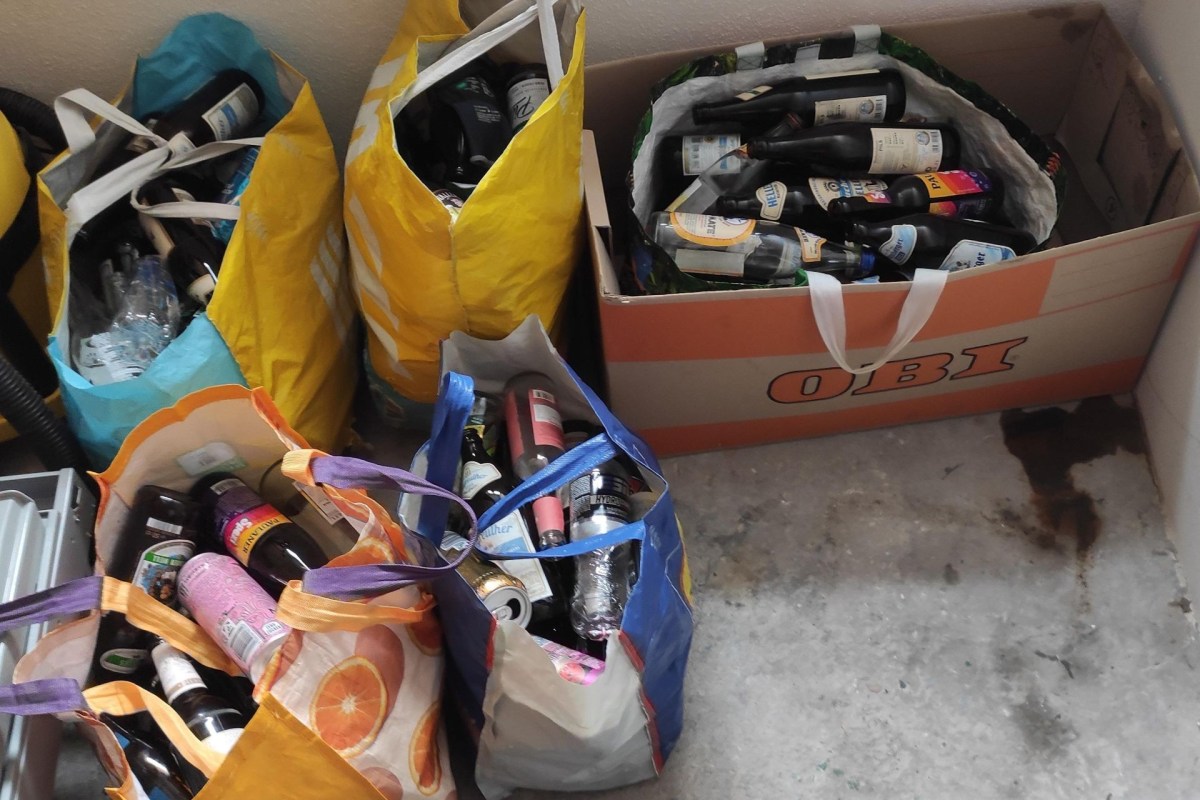
For one resident in Germany, an early weekend wake-up comes with an unexpected reward.
By collecting discarded bottles and cans at 4:30 a.m., they said they gathered about €15 ($17) worth, turning abandoned containers into help with an everyday expense.
Here's what to know
The resident shared their routine in a Reddit post. A refundable deposit called Pfand applies to most beverage bottles and cans in Germany, giving empty containers a cash value.
Containers abandoned by partygoers are the target of the early outing. By arriving ahead of city cleaners, the poster can collect bottles and cans that might otherwise be thrown away.
"It isn't a huge amount, but usually enough to cover my groceries each week," the original poster assessed.
More background
Labor Day festivities in Finland stood out in one comment as an opportunity for a particularly large haul. People in the crowds bring their empty containers to collectors carrying large trash bags, the commenter explained.
TCD Picks » Quince Spotlight
💡These best-sellers from Quince deliver affordable, sustainable luxury for all




"I've seen people make 200 to 300 Euros ($225 to $335) collecting cans," they wrote.
Another poster in Poland said they had a bottle collection routine very similar to the original poster's.
"Money literally lays on the ground," they wrote. "I'm really limited when it comes to space — small apartment, but everytime I see a can laying down, I grab it asap. Free money!"
Commenters added that the country's program was barely a year old.
The original poster's routine sparked an interesting conversation among American visitors to the thread. Some lamented a lack of recycling in their area, while others said there were modest payouts where they lived.
"The American mind cannot comprehend that grocery bill or a decent bottle return," one person declared.
What can be done?
Posters did wonder how the original poster managed to transport the haul of bottles. Their enthusiastic answer was their bike.
To make the most of the bicycle's carrying space, the commenter chose bags based on their shape. Reusable shopping bags went on the handlebars, while bags mounted beside the back wheel and a rear rack provided additional carrying space.
"It's not glamorous, but it adds up over time and saves a lot of recyclables from going into the trash," they wrote of the practice.
Other commenters pointed to Germany's general disposition towards bottle waste as a major improvement on many other countries.
"Fun note: In Germany it's considered decency to put your deposit bottles next to the trash bins," a user shared. "If you don't take them with you that is."
Where can I learn more?
Bottle refunds can help cover the grocery bill, though collecting and returning containers can bring challenges of their own.
• In Germany, a traveler mistook bottle refunds for free money before learning the €0.25 rule.
• Michigan retailers want bottle and can returns moved out of stores, citing trash concerns.
• In Singapore, a woman hauled five bulging bags to a bottle-return machine, sparking debate.
• Singapore shoppers brought armloads of bottles and cans as a 10-cent return scheme began.
• A Germany resident said neighborhood recycling points became "absolutely destroyed" within just two years.

Get TCD's free newsletters for easy tips, smart advice, and a chance to earn $5,000 toward home upgrades. To see more stories like this one, change your Google preferences here.







