


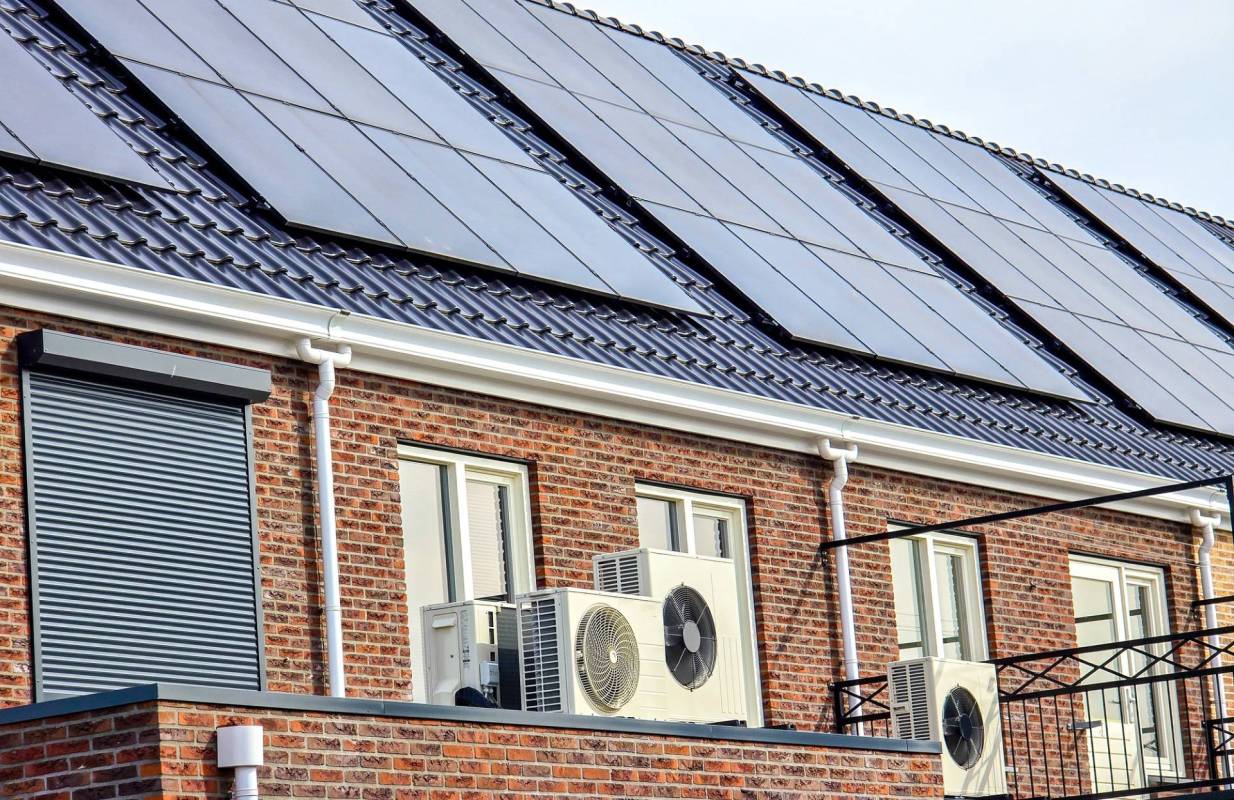
Having solar panels and a home battery turned out to be no guarantee of blackout protection for one homeowner in the United Kingdom, who discovered that their installation could not keep the lights on when the grid failed.
Here's what to know
The setup at the center of a post in Reddit's r/SolarUK community consisted of a heat pump, 11 solar panels, and a home battery.
Blackout protection was the reason they wished they had bought a Tesla Powerwall instead, despite being pleased with their existing system's performance. They couldn't understand why the system wouldn't work when the grid went down.
The original poster asked: "Is there any advice or knowledge I am missing? Can I get something to make this work for my battery?"
"There is a home-backup option for Enphase," one commenter quickly replied, referring to the type of battery the OP had.
Other respondents pointed to the installation's inverter, gateway, and changeover equipment as important considerations. For buyers comparing those configurations, EnergySage offers a resource for exploring battery products and comparing competitive installation estimates.
EnergySage has partnered with electrification company Qmerit to help homeowners secure the best available battery-storage pricing. Comparing quotes that explicitly include the desired backup equipment can help buyers understand what each installation offers.
More background
Without sufficient battery storage, electric showers, cookers, and similarly power-hungry appliances should be left off the backup supply, one commenter advised. Lights and sockets were their recommended priorities. A different user advocated for a flexible, but more comprehensive setup.
Crushed by your bills? See instant solar savings from vetted installers in just a few clicks With energy prices through the roof, there's never been a better time to go solar — and EasyHome can help you find the best prices from the best installers in your area. EasyHome takes the guesswork and headaches out of energy upgrades by showing you estimated savings from a network of vetted local partners. To get started, just enter your ZIP and share a few details about your home — seeing your estimate is really that easy. |

Frequent damage to rural power lines from falling trees prompted one homeowner to choose a whole-home backup system to protect their property. With the electrical panel, inverter, and gateway spread across three rooms, that installation needed extensive cable routing.
Control over when to draw on stored electricity appealed to another commenter more than automatic battery takeover. Their setup used a manual changeover switch. Unknowingly consuming battery power during an outage was what they wanted to avoid. The manual arrangement let them hold the charge in reserve until they needed it.
What can be done?
For the homeowner, the next step is to ask an installer which compatible equipment would provide backup power and which circuits it could serve. That could help them land the outage protection and energy independence they were seeking, while stored solar electricity can help lower electricity bills by reducing purchases from the grid.
Before commissioning an installation, buyers can request a written scope specifying whether the changeover will be automatic or manual, which circuits will receive backup power, and which appliances the system can run.
"Just about any modern inverter/battery can provide backup power if installed and set up with that in mind," a user suggested.
For households seeking a smaller-scale alternative, Pila offers plug-and-play battery backup at a substantially lower price point than whole-home backup systems. That option serves a different need from the extensive wiring described by one owner.
Where can I learn more?
The OP isn't alone in finding that solar panels and a battery don't necessarily keep the lights on during a blackout.
• A U.K. homeowner discovered that blackout backup costs extra after buying solar and storage.
• A homeowner's solar stopped working during outages despite battery backup.
• A U.S. homeowner discovered solar panels go dark during blackouts without additional equipment.
• A homeowner with 8 kW of solar still relied on gas cans during blackouts.

Get TCD's free newsletters for easy tips, smart advice, and a chance to earn $5,000 toward home upgrades. To see more stories like this one, change your Google preferences here.






