


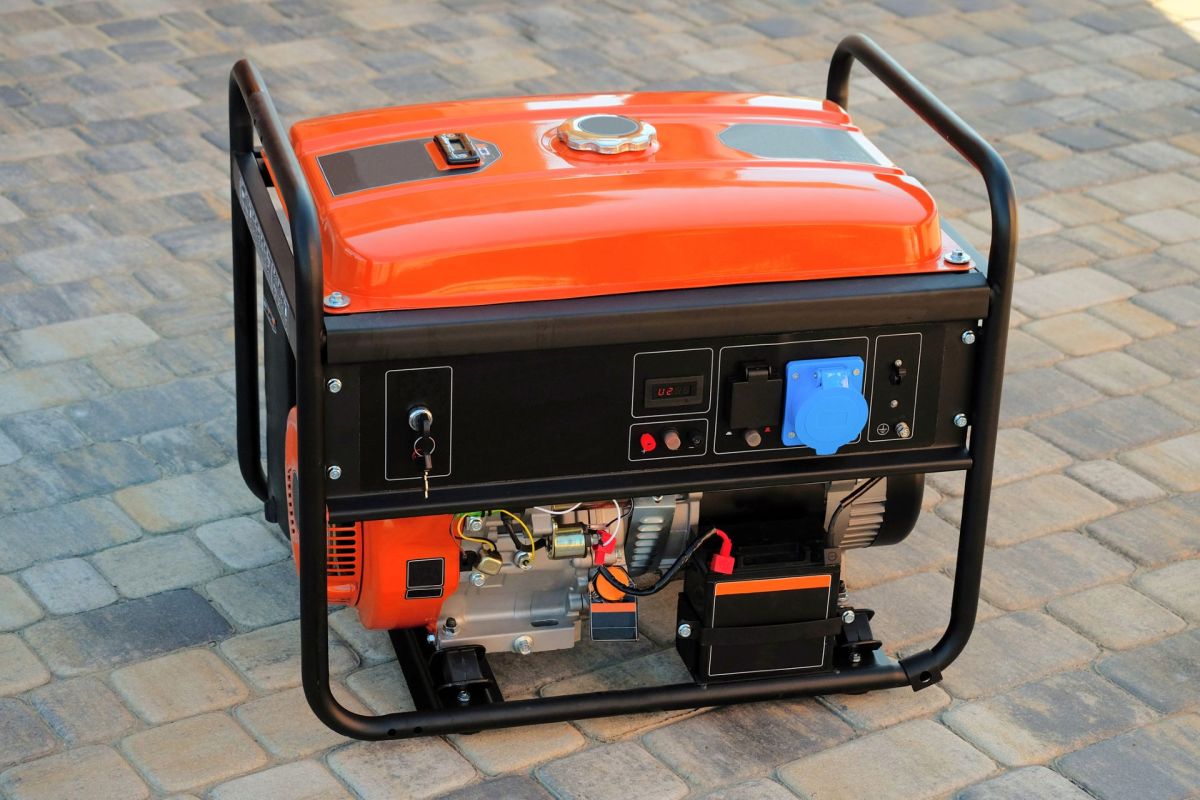
A homeowner whose gasoline generator powered nearly an entire house for 10 days during Hurricane Sandy asked for advice on how to keep the machine ready for another emergency without letting its fuel tank rust.
Here's what to know
A transfer switch allows the homeowner's Generac GP5500 to supply the house, although Hurricane Sandy is the only emergency in which they've used it. They bought the generator new in 2012, according to their post on Reddit's r/Generator community.
Starting it twice a year, followed by running the tank dry, has become the owner's usual routine. Since its emergency use, the generator has been kept in an outdoor shed or a lightly heated garage, with storage methods ranging from an empty tank to one filled with gasoline and stabilizer.
"The only danger I see in this method is that the gas tank being totally dry could rust maybe?" the original poster wrote.
Stabilized, ethanol-free gasoline would need to be replaced roughly once a year if left in the tank, one commenter noted. Leaving the vented tank empty instead allows humidity inside.
More background
A 5,500-watt Generac started and ran successfully after about four years in storage, one commenter reported. Its tank contained stabilized, ethanol-blended gasoline during that time. Before putting it away, the commenter had closed the fuel supply and let the engine run until the remaining gasoline was consumed and it stopped.
TCD Picks » Quince Spotlight
💡These best-sellers from Quince deliver affordable, sustainable luxury for all




The storage environment for that commenter's generators was a dry under-house garage with relatively stable temperatures. All of those machines had plastic tanks.
Draining the carburetor bowls was the final step in the same commenter's storage routine for Honda EU2000i generators. Before that, they drained the tanks and ran a small amount of stabilized, ethanol-free fuel through the machines.
One Honda needed more pulls than usual to start during a pre-storm test, but it ran well once started. The machine had been in storage for about a year and a half.
What can be done?
Cylinder protection was part of the storage guidance the original poster attributed to Generac: Apply engine oil or fogging oil, then distribute it by slowly pulling the starter rope. Those instructions also called for draining the fuel tank and carburetor.
Replies also recommended keeping spare carburetor parts on hand and checking the tank for existing rust. One commenter estimated that a replacement tank could cost about $50 through Amazon or eBay.
A commenter also recommended a spare spark plug and air filter and urged protecting the machine's openings during storage. They warned that rodents and insects can cause damage, including chewed wiring and nests in intake areas.
Where can I learn more?
Other generator owners have wrestled with aging gasoline and maintenance after long outages. These stories cover servicing heavily used machines, dealing with old fuel, and testing generators after years in storage.
• A generator owner was advised to pump out aging fuel, then run it dry.
• After running for 12 days without maintenance, a generator owner questioned whether servicing could cause harm.
• After five years with gasoline in its tank, a generator started with fresh fuel.
• A generator sputtered out during an outage, prompting warnings about four-year-old gasoline.
• A stored Winco generator raised questions about its fuel that could determine its value.

Get TCD's free newsletters for easy tips, smart advice, and a chance to earn $5,000 toward home upgrades. To see more stories like this one, change your Google preferences here.






