


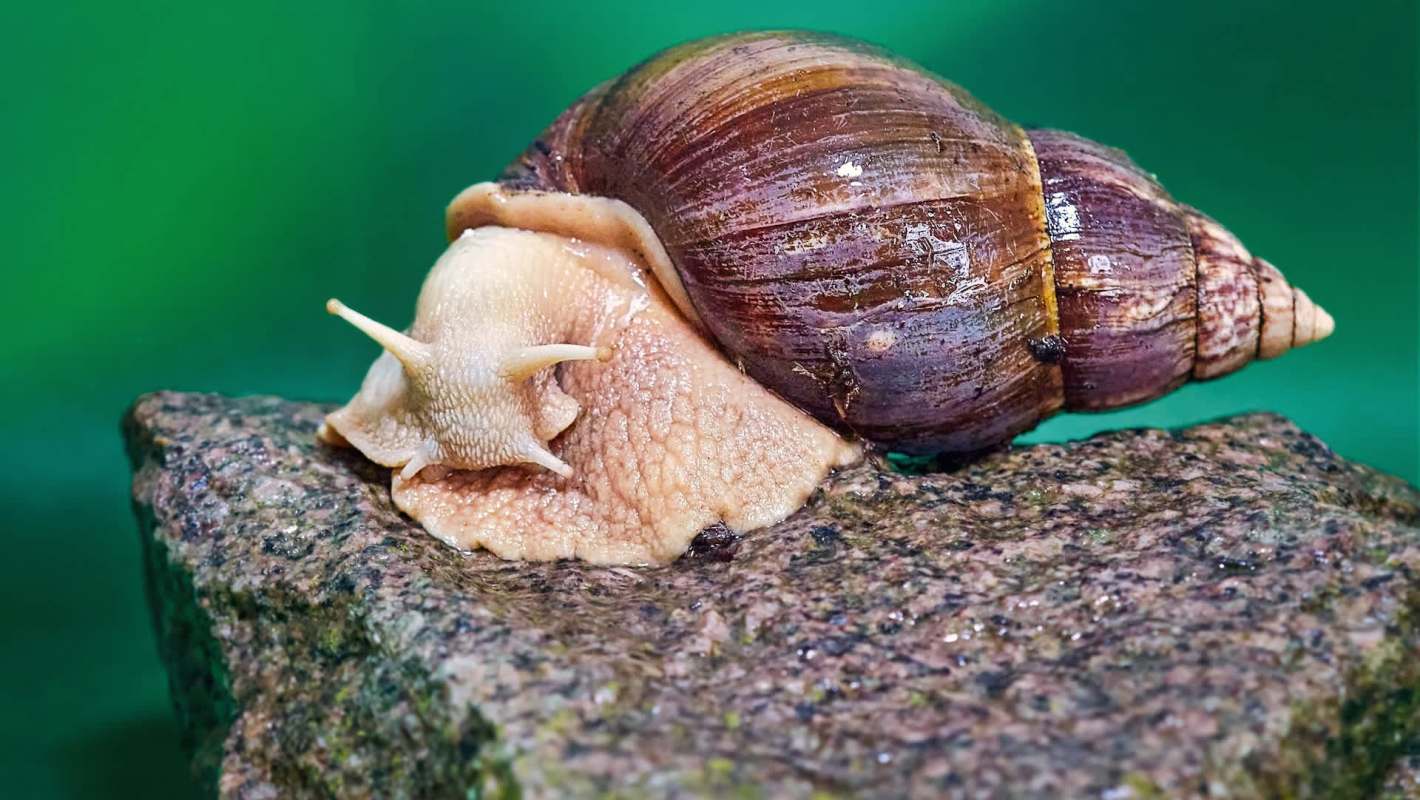
Photos of unusually large snails in Holguín, Cuba, have raised concerns about a possible invasive pest that could damage more than 120 types of crops.
Here's what to know
Radio Ángulo reported that social media users shared photographs of snails in urban areas that appeared to be the giant African snail, according to CiberCuba. The species shown in the photographs remains unclear pending official identification by plant health authorities.
The alert follows years of the pest's spread across Cuba. First detected on the island in 2014, the giant African snail had affected 14 of the country's 15 provinces by October 2020, with authorities recording more than 1,000 active hotspots across 59 municipalities.
In October 2025, Camagüey experienced a citywide infestation, with residents reporting dozens of snails each day.
More background
Bananas, cassava, citrus fruits, and rice are among the crops threatened by Lissachatina fulica, the giant African snail, according to CiberCuba.
A potentially fatal disease that attacks the central nervous system, eosinophilic meningoencephalitis, is caused by a parasite called Angiostrongylus cantonensis. The mollusk can carry this parasite in addition to causing direct crop damage.
TCD Picks » Quince Spotlight
💡These best-sellers from Quince deliver affordable, sustainable luxury for all




The snails are hermaphroditic and can produce roughly 500 eggs per batch, up to six times a year, with more than 90% hatching — enabling them to spread and multiply quickly. Adults can reach about 12 inches (30 centimeters) in length.
What can be done?
CiberCuba reported that specialists recommend avoiding direct handling of the snails and contact with their secretions. If collecting them is absolutely necessary, they advise using protection. They also warn against eating the animals, even when cooked.
Holguín has previously organized efforts to control the pest. In 2019, the province began a sanitation effort after discovering roughly 1,200 snails.
Certeneja saw a fresh outbreak in December 2020, even after the province eliminated one colony.
Experts at Cuba's Ministry of Science, Technology and Environment warned in June that the snail could spread to Varadero after confirming its presence in Matanzas. Granma authorities had responded to an April outbreak in Manzanillo.
"There is no response from the authorities; no one comes here to provide guidance or to say what should be done with them," a resident of La Emilia in Cárdenas told CiberCuba.
Where can I learn more?
Cuba is one of many places dealing with invasive snails and other pests that threaten crops.
• India's Kerala has turned to night hunts for snails as infestations spread to farms and schools.
• In Samoa, a flatworm introduced against invasive snails was followed by native snail declines.
• Detroit airport intercepted giant scale insects in another first-in-the-country pest catch for the United States.

Get TCD's free newsletters for easy tips, smart advice, and a chance to earn $5,000 toward home upgrades. To see more stories like this one, change your Google preferences here.







