


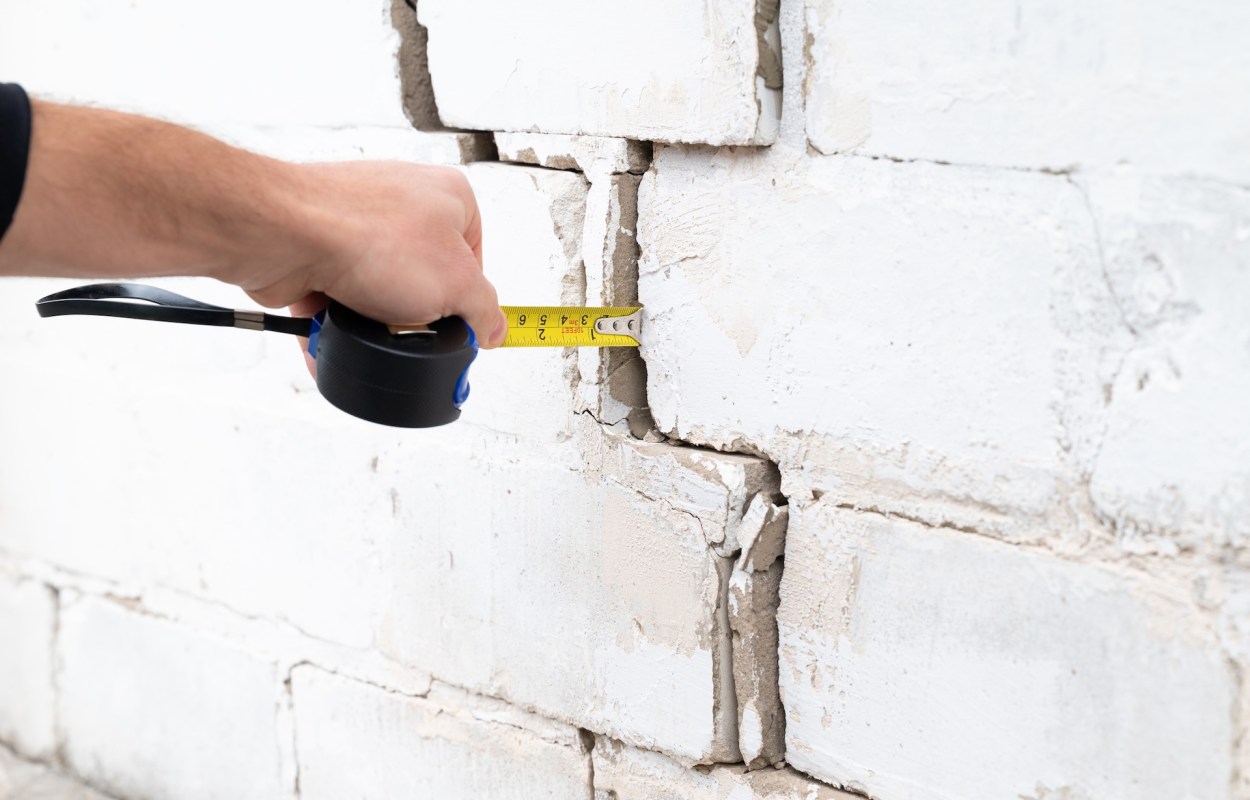
A U.K. homebuyer preparing to spend £900 (about $1,200) investigating cracks in a house faces a difficult decision. The seller will only allow it if the prospective buyer sends them the full structural report, even though the seller's estate agent has insisted that the property has no issues.
Here's what to know
In a post on Reddit's r/HousingUK community, the buyer explained that a completed level 3 survey had recommended further structural investigation. The survey found a hidden chimney breast and obstructed ventilation bricks. It also identified a crack inside the house and cracks on the front exterior.
According to the buyer, the estate agent linked the seller's reluctance to her living alone and being in her late 70s. She had initially refused permission for the structural survey.
"As we're paying for this survey ourselves (and a cctv drainage survey), I'm unsure about agreeing to share the full report. Is it reasonable to agree to sharing relevant excerpts with her only?" the original poster wrote.
More background
One commenter suggested the purchase decision should determine how buyers judge the survey's value. Simply owning the resulting document was not its main benefit.
Hundreds of thousands of pounds could otherwise go toward a house the buyers would rather avoid. If a £900 ($1,200) investigation uncovered a major structural problem, it could save them from that much larger expense.
TCD Picks » Quince Spotlight
💡These best-sellers from Quince deliver affordable, sustainable luxury for all




The commenter would still commission their own survey before buying, even if a report were available. Their concern for these buyers was that a favorable result, once shared, could allow the seller to cancel the transaction and offer the report to another prospective purchaser.
"If you wanted to negotiate the price of a house I was selling down because of a survey I would absolutely expect to see it. Nothing personal, but there are far too many chancers out there to take the risk," one commenter wrote.
What can be done?
"I personally was advised by my surveyor to not share the full report, only the conclusion. I'd encourage you to add pieces of it as supporting evidence if you are wanting to negotiate but do not send the full document. You paid for it, it is your survey. If the seller wants a copy, they can contribute towards it lol," one wrote.
Another pointed to surveyors' terms and conditions as a possible restriction on sharing. Checking those terms would help the buyers determine what they could provide before agreeing to the seller's condition.
"I shared the normal level three survey I had done when I bought my house, couldn't really think of a reason not to, they wanted to see it and I wanted a slight discount due to unforeseen issues. It all worked out, they agreed," another commenter wrote.
Where can I learn more?
Other homebuyers have faced similar worries about cracks, hidden defects, and costly repairs. These stories cover issues from cosmetic cracks and structural flaws to unexpected repair bills.
• A U.K. buyer's $324,000 offer was accepted before a lender valued the home at $225,000.
• In Dallas, first-time homeowners feared foundation damage, but an inspector called the cracks cosmetic.
• After touring seven homes, a buyer said four had major structural flaws.
• In Wales, an inspector quit after being told to hide a flaw.
• A Maryland buyer paid $3,000 for an inspection, then faced $15,500 in repair costs.

Get TCD's free newsletters for easy tips, smart advice, and a chance to earn $5,000 toward home upgrades. To see more stories like this one, change your Google preferences here.






