


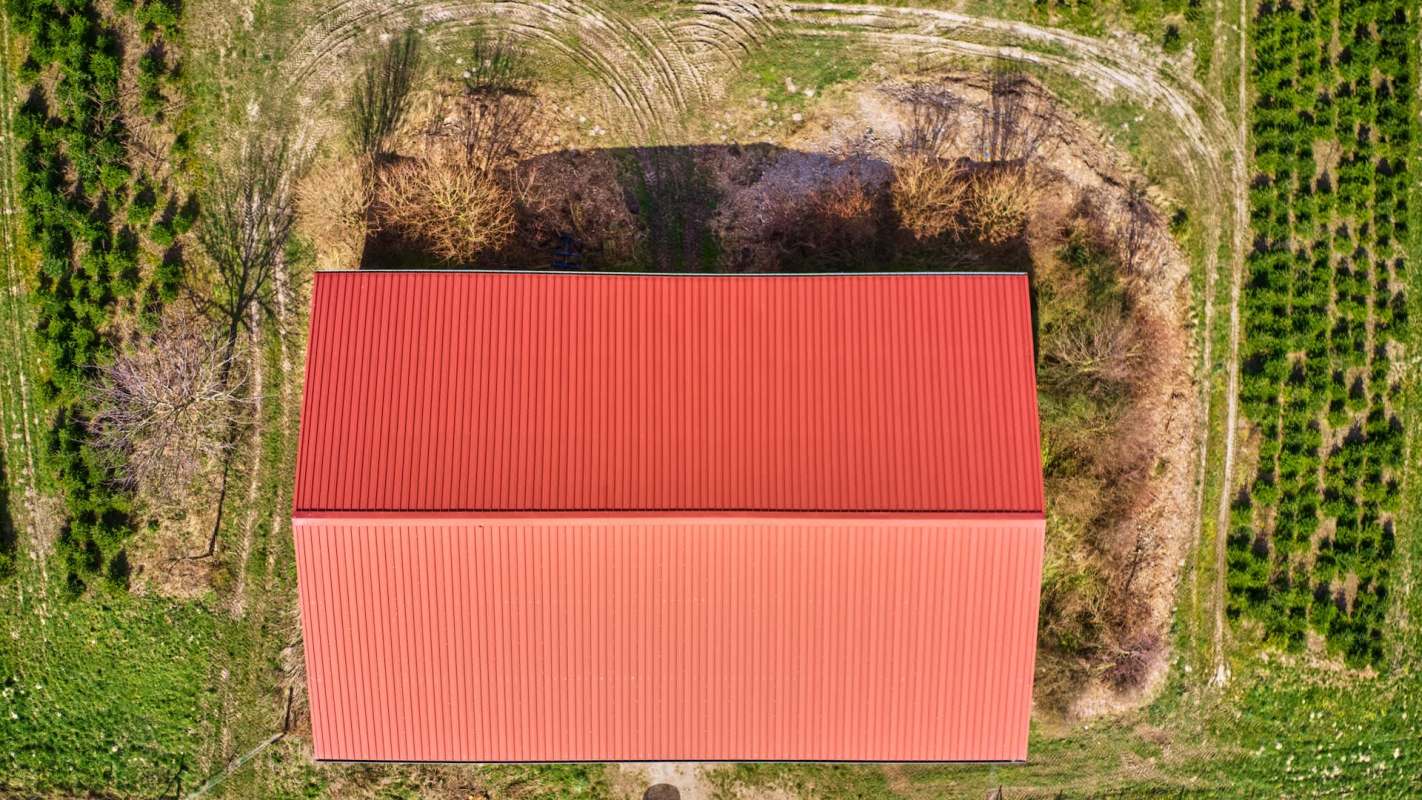
An Idaho family lost their unfinished homestead to an accidental fire that started inside, despite the home's metal roof. As they consider rebuilding, the homeowner is turning to other homesteaders for advice on what to prioritize.
Here's what to know
Something larger than a hobby farm is the family's goal for a fresh start in Oregon or eastern Idaho. Their first home was still under construction on family land when it was lost, the homeowner explained in a Reddit post.
The homeowner wants enough space for the future without an unnecessarily large footprint. Growing food indoors is one possible use they see for extra room. A truss designer by trade, they are considering a barndominium built largely with engineered components.
In a follow-up, the homeowner revealed Idaho projects in wildland-urban interface fire zones are part of their truss-design experience. They have also designed trusses for Maryland homes subject to residential sprinkler requirements.
More background
Wildfire preparation drove one commenter's decision to choose an oversized well pump. They intend to use it for roof sprinklers that would wet down the home if a fire threatens. Their well produces 40 gallons per minute, while the pump delivers 20 gallons per minute.
Before tackling other projects on a new homestead, the same commenter said they would make sure solar, batteries, and a generator operate together as a coordinated power system. Their own generator would keep the sprinklers running if a fire knocked out electricity.
TCD Picks » Quince Spotlight
💡These best-sellers from Quince deliver affordable, sustainable luxury for all




"Definitely a good system to have," the homeowner replied, before listing their experience and own plans for fire prevention. "It burned from the inside, I'd still put sprinklers up inside and out."
What can be done?
Because it could serve other purposes later, a large steel outbuilding was another commenter's first-build recommendation. During construction, it would offer a dry place to store equipment and a sheltered workspace.
The barndominium itself would wait until a solid access road, power, and water were in place, the commenter advised.
On their own property, they had worked with an extension service to plant a windbreak to help address long, cold winters. A firebreak was another measure they suggested considering.
Severe cold sometimes makes heated indoor shelter necessary for animals in the commenter's area. Their recommended next phase was food production through planting fruit and nut trees, establishing a garden, and providing livestock housing.
Equipment that eases physical work has become a priority for the commenter as they age. For someone starting from scratch, they put a shed, tools, and a tractor at the top of the spending list.
Heating and cooling are also shaping the family's property search.
"Start with your shallow geothermal plans first," a commenter advised. "Use the sun and the earth for free heating and cooling."
The homeowner was receptive to that idea and said it was a selling point for staying in Idaho.
"Some of the area along the snake river that we are interested in looking at, sits on actual pipe-able geothermal!" they exclaimed.
Where can I learn more?
A fresh start on a homestead comes with decisions about fire protection, roofing, and power.
• An Australian homeowner said early roof sprinkler planning cut installation costs to one-tenth.
• An off-grid builder questioned whether a $22,000 metal roof justified its potential rainwater-quality benefits.
• In northern Minnesota, a cabin owner's generator caught fire, prompting plans to rethink the shed.

Get TCD's free newsletters for easy tips, smart advice, and a chance to earn $5,000 toward home upgrades. To see more stories like this one, change your Google preferences here.






