


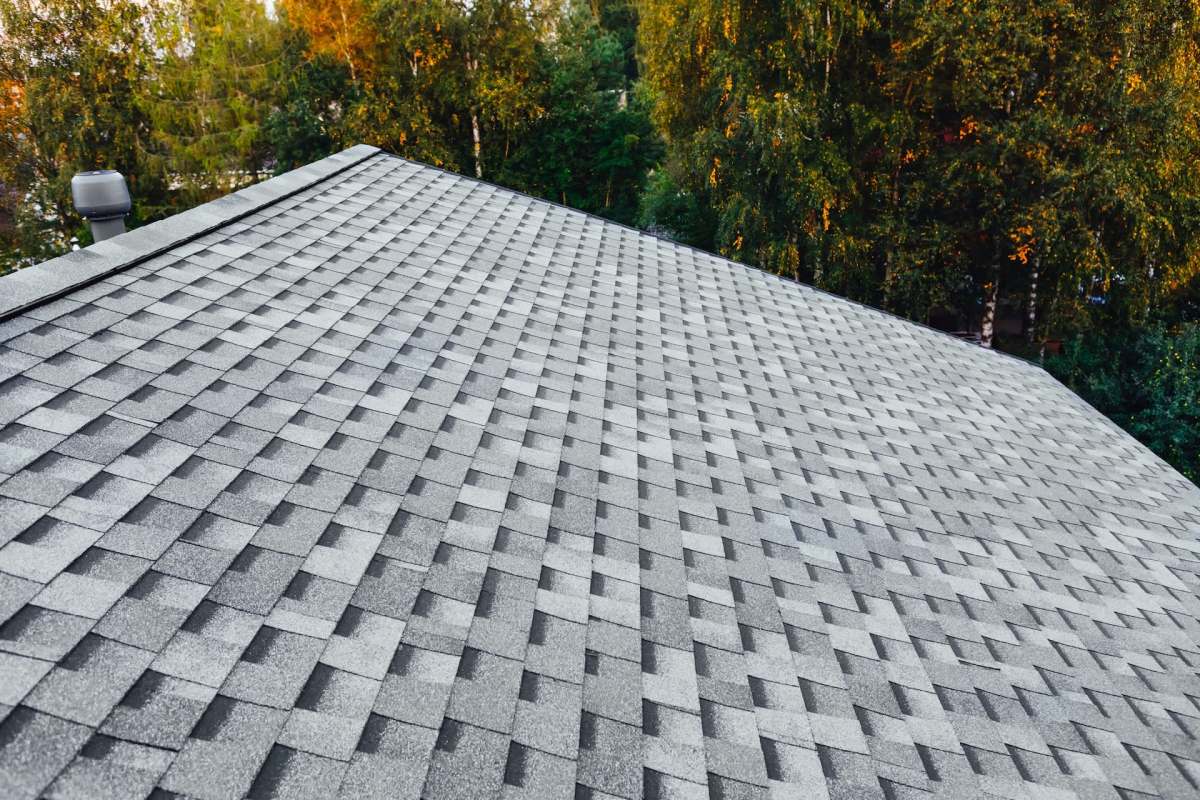
New shingles were lifting in a spot that had already troubled a New Jersey homeowner: the heavily shaded area at the front of the house, where the old roof had been "wavy" before its replacement.
The homeowner wondered whether the uneven shingles would settle. Only days had passed since the new roof installation, but a contrast already appeared between the sunnier back, which appeared normal, and the front.
Here's what to know
Waviness at the front of the old roof predated the replacement, according to the homeowner's post on Reddit's r/HomeImprovement community. They had purchased the house on a densely wooded lot.
The homeowner knew settling could take time but questioned whether it would happen under persistent shade. After installation, the front shingles were still cupping and lifting, and some areas pulled up easily.
One recommendation in the replies was to ask the installer about hand sealing. Another commenter suggested that insufficient sunlight kept the roof slope too cool for the shingles' sealant strips to activate.
More background
The trees complicating the homeowner's roofing situation also provided a welcome benefit during warmer months.
TCD Picks » Quince Spotlight
💡These best-sellers from Quince deliver affordable, sustainable luxury for all




"Great in summer cause we save a ton electric bill with AC," the original poster wrote, explaining that the front of the house remained shaded while the back received some sun.
The roof deck, rather than the shingles, drew one commenter's initial suspicion. They questioned whether dampness had left the underlying plywood swollen or soft enough to prevent the new shingles from lying flat.
Shade-related bonding problems — not an uneven roof deck — were the homeowner's explanation for the previous roof's waviness. They said the plywood was in good condition and that they had been present during installation.
What can be done?
Applying roofing cement beneath individual shingle tabs is known as hand sealing. A commenter recommended requesting it where the adhesive would otherwise remain inactive.
To help protect warranty coverage, the commenter advised having the work recorded as part of the roofing job. Manufacturers commonly include hand-sealing guidance in their shingle installation instructions for conditions that prevent bonding, including cold weather.
"Call the installer back before winter. On a slope that never gets sun the sealant strips may not get warm enough to bond, so some roofers hand seal those with a dab of roofing cement under each tab. Tabs pulling up that easily could also be nailing though, worth having them look," one commenter concluded.
Where can I learn more?
These stories follow homeowners dealing with raised shingles, recurring leaks, and unreplaced flashing.
• An Indiana homeowner's shingles started lifting a year after a $16,000 roofing project.
• A homeowner questioned reroofing gaps, and roofers said one raised shingle warranted attention.
• A Texas homeowner faced a sixth roof leak just six years after installation.
• A Texas homeowner paid $31,000 for roofing before inspectors found flashing was never replaced.

Get TCD's free newsletters for easy tips, smart advice, and a chance to earn $5,000 toward home upgrades. To see more stories like this one, change your Google preferences here.






