


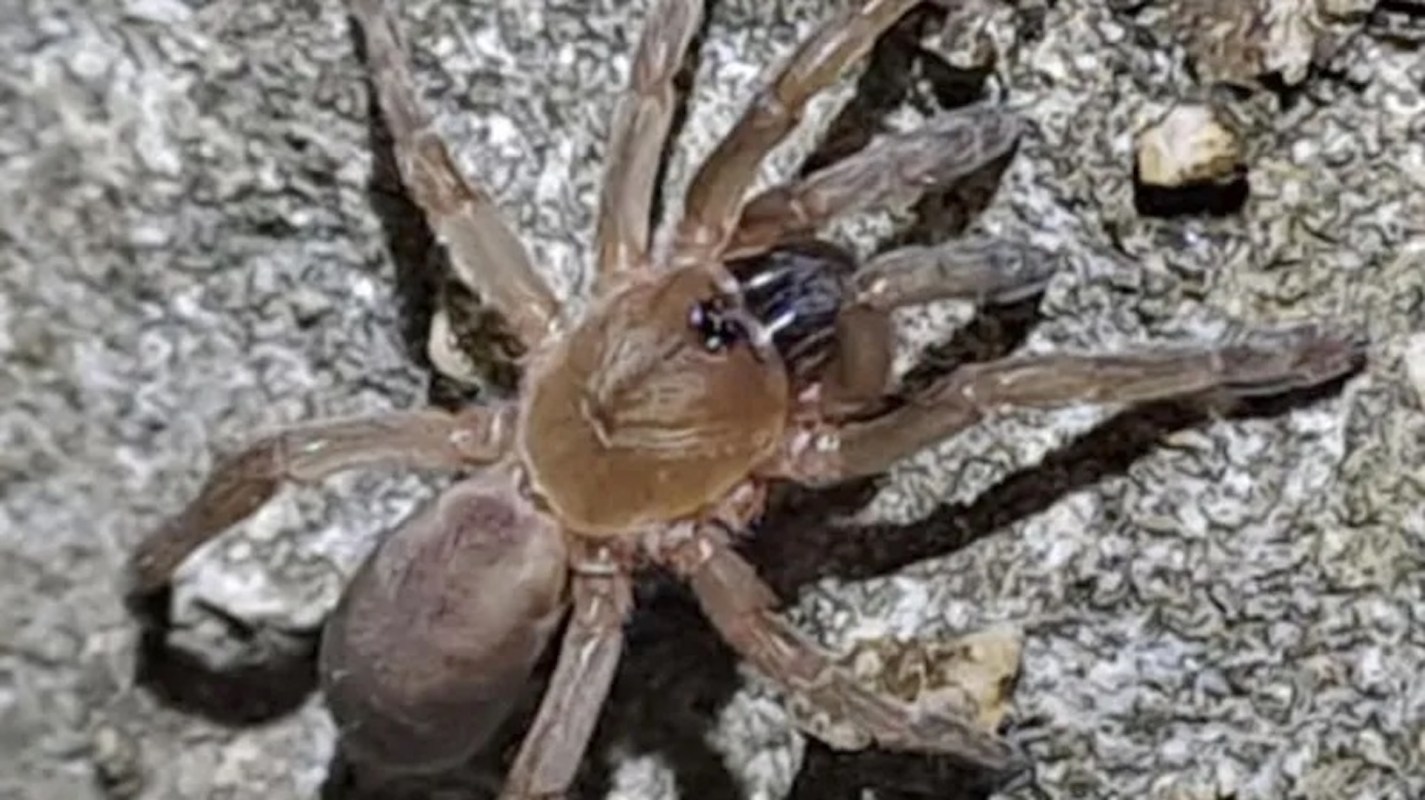
Scientists identified a new spider species in the African island nation of Mauritius.
The Mauritian tidal trapdoor spider, as the name suggests, lives and hides behind a self-made trapdoor, composed of sand, silk, and algae.
Here's what to know
Ilot Vacoas, an island in Mauritius, was the site of the initial 2023 discovery, according to the BBC.
Max Tercel, the entomologist who first encountered the spider on the island, described the discovery to the news outlet as similar to finding a "hidden treasure."
While on largely barren coastal rock, Tercel spotted a large set of spider legs near a trapdoor.
"It was dark by then," he told the BBC, "and I was carefully searching through crevices with my head torch when, to my astonishment, I noticed a familiar pattern — a spider's legs extending from its burrow."
TCD Picks » Quince Spotlight
💡These best-sellers from Quince deliver affordable, sustainable luxury for all




More background
Scientists have now established that these spiders have not created the burrows themselves, apart from the trapdoors. Mollusks and worms are thought to have created the holes thousands of years ago in the coastal bedrock, where the spiders now take up residence, the BBC explained.
After the discovery, Nik Cole of the Durrell Wildlife Conservation Trust searched for more evidence of the spider.
"The thing I remember most is Max screaming at me to come over because he'd just seen a mygalomorph, a trapdoor spider," said Cole, per the trust.
"I couldn't believe something from the same group as tarantulas could be living in a place like this."
Where can I learn more?
Mauritius isn't the only place where spiders have turned up in surprising surroundings. These stories cover newly identified species and first sightings in unexpected places:
• In Idaho, researchers discovered a new spider species and named it for the Vandals.
• In Canada's Salish Sea, tiny sea spiders suck jellyfish dry, including two species new to science.
• In England, a "climate refugee" wasp spider was found in Cheshire for the first time.

Get TCD's free newsletters for easy tips, smart advice, and a chance to earn $5,000 toward home upgrades. To see more stories like this one, change your Google preferences here.






