


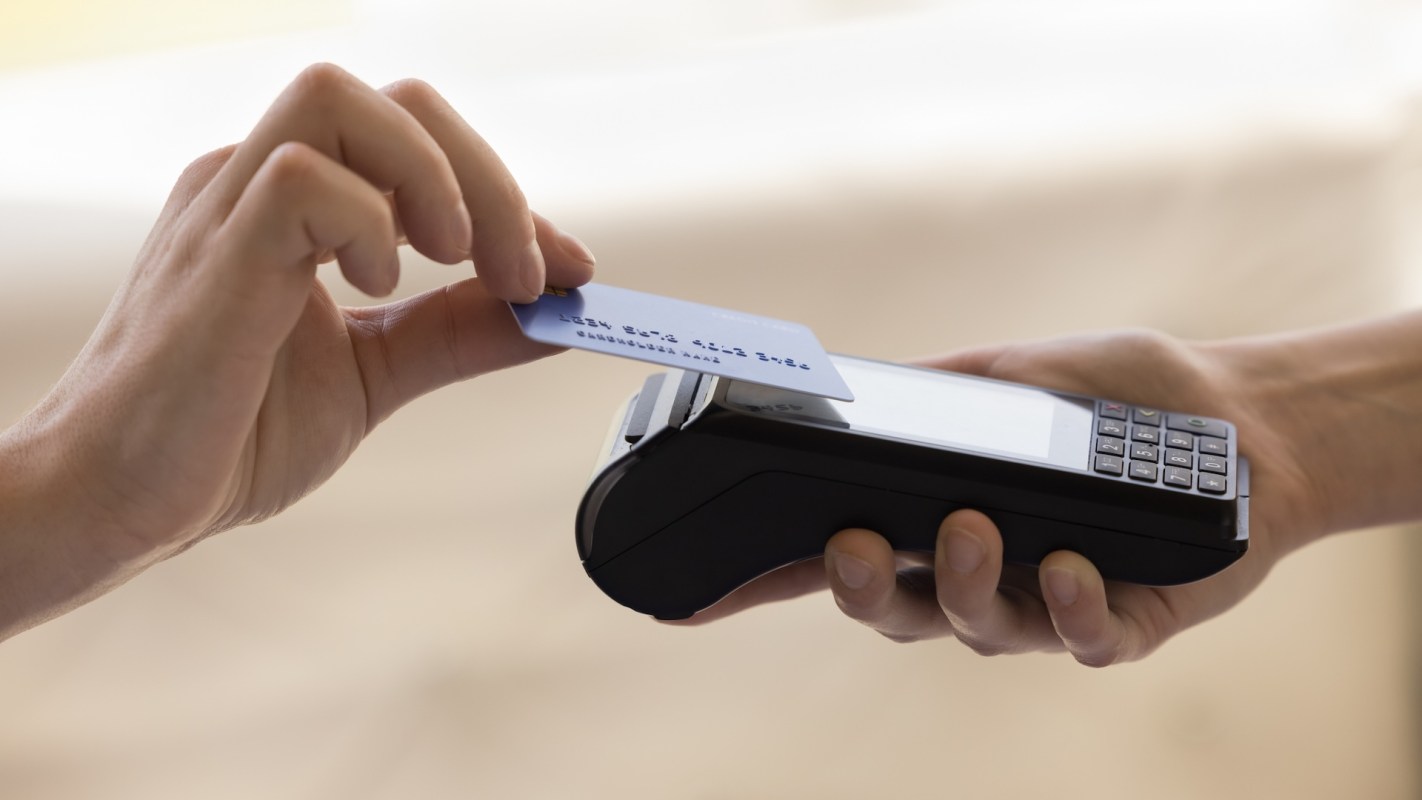
A federal appeals court has ordered lower debit card swipe fees after U.S. retailers paid more than $40 billion in a single year, potentially offering relief for stores and the shoppers they serve.
Here's what to know
Every time a customer pays with a debit card, the seller owes the card-issuing bank a transaction fee, according to a TikTok report from NPR (@NPR). The typical charge combines 21 cents with a small percentage of the purchase amount.
@npr The price store owners pay for processing debit card transactions could soon be going down. Every time a customer uses a debit card to make a purchase, the seller has to pay a fee to the bank that issued the debit card: typically 21 cents plus a fraction of the value of the sale. Last year, those "swipe fees" added up to more than $40 billion. Now, a federal appeals court has ruled those fees must come down — the court found the Federal Reserve, which regulates the fees, had allowed the issuing banks to recoup costs that Congress never intended. A coalition of retailers welcomed the decision, which could result in lower costs for consumers. An even bigger fight continues over the swipe fees charged on credit cards, which are currently un-regulated and cost merchants almost four times as much as debit fees. Find "NPR News Now" wherever you listen to podcasts. Host: Korva Coleman/NPR Reporter: Scott Horsley/NPR Producer: Michael Zamora/NPR
♬ original sound - npr
However, a federal appeals court has ruled that those fees must be reduced, and the Federal Reserve, which regulates the fees, had allowed banks to recover those costs — which Congress never intended to allow.
More background
Credit card swipe fees cost merchants nearly quadruple the debit card amount, according to NPR. Merchants also face a separate, ongoing dispute over those charges, which are not regulated.
What's being done?
"A coalition of retailers welcomed the decision, which could result in lower costs for consumers," NPR said in the post's caption.
One user described a separate processing fee their household pays.
TCD Picks » Quince Spotlight
💡These best-sellers from Quince deliver affordable, sustainable luxury for all




"I have a $7 processing fee to pay my water bill online," they wrote. "My bad for working the same hours their office is open."
Where can I learn more?
Other payment fees and borrowing costs can also strain household budgets.
• Flashfood now charges shoppers a 99-cent service fee unless their orders reach $12.
• A Domino's customer questioned the added delivery fee after routinely tipping drivers $5.
• Buy now, pay later options for groceries could raise prices for everyone.
• U.S. credit card debt reached $1.26 trillion, with borrowers facing choices over debt-settlement offers.

Get TCD's free newsletters for easy tips, smart advice, and a chance to earn $5,000 toward home upgrades. To see more stories like this one, change your Google preferences here.






