


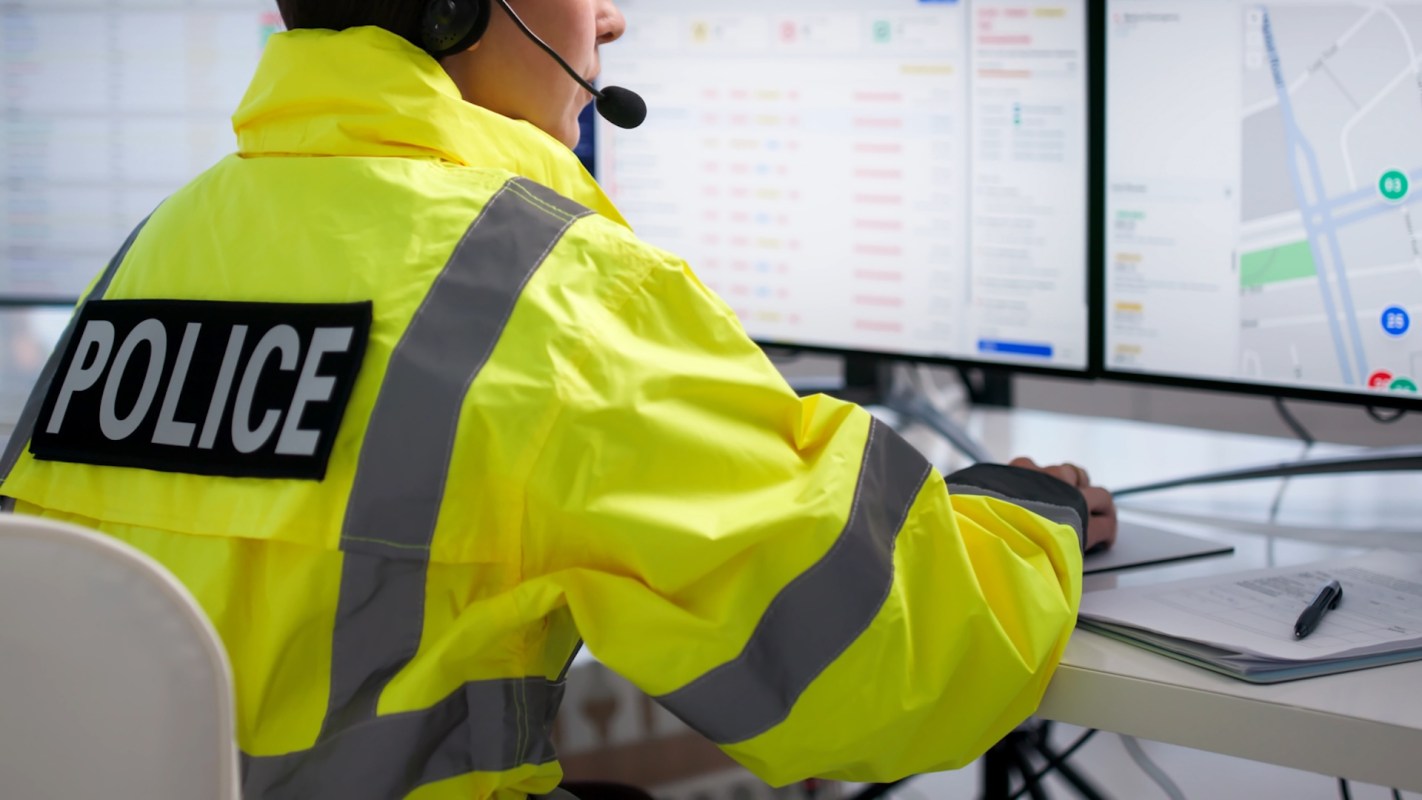
An artificial intelligence system has reduced Arkansas dispatchers' non-emergency call load by 56%, but an early error underscored the risks of relying on the technology to help people seeking assistance.
Here's what to know
The system, nicknamed "Lezle," had been handling Craighead County's non-emergency calls for almost two months when K8 News reported on its performance.
@k8news An artificial intelligence (AI) agent nicknamed "Lezle," the system answering non-emergency calls in Craighead County for nearly two months, has cut dispatchers' call load by 56% in the past 30 days. Despite how helpful it can be, dispatchers say the system is not perfect. #dispatchersoftiktok #dispatch #911 ♬ original sound - K8News
Lezle took close to 5,000 calls and handled over half without a dispatcher's involvement. Many involved questions about records or warrants.
The workload figures reflected a change that Terra Summers, a Craighead County E-911 dispatcher, had noticed on the dispatch floor. She described a reduction in 70 hours of work as substantial, particularly because calls generally last no more than five minutes.
However, as the outlet's caption pointed out, "Dispatchers say the system is not perfect."
An officer should have responded to the car crashes some callers reported. Instead, the system directed those callers to submit reports online.
TCD Picks » Quince Spotlight
💡These best-sellers from Quince deliver affordable, sustainable luxury for all




"In the very, very beginning, there may have been an accident, and Lezle would say, 'Please go online to file this accident report,'" Summers explained. "Well, with any car accident, we're gonna send an officer."
More background
The report drew concerns from viewers, some of whom said they were dispatchers, in the K8 News TikTok comments, with questions about whether AI could accurately interpret people seeking help.
One said AI was already grading one worker's calls through a program that listens to the conversations. They added that the AI "doesn't understand accents or if the caller is upset."
Whether the system would get the timing right concerned another dispatcher who wanted to watch Craighead County's system in action.
Beyond answering calls, AI relies on electricity-powered computing infrastructure, tying its expansion to the energy grid. While the technology can help optimize clean-energy systems, the infrastructure needed to operate it also consumes vast amounts of energy and can require significant quantities of water for cooling.
What's being done?
Upper administration either fixes reported problems internally or refers them to the programmer. Summers said Craighead County dispatchers bring errors to those administrators, providing a way to address issues such as the crash-report instructions.
"Emergency," "breathing," and "fire" can send callers directly to a human dispatcher, Summers said. The system recognizes those trigger words and immediately makes the handoff.
Jonesboro resident Nicholas Sides described himself as wary of AI, but he noted the system could be beneficial.
"I do think that [AI] can be a tool to help people," he said. "And I have seen that there are cases where it can be helpful. I just think that we need to use it in the right ways."
Where can I learn more?
Craighead County's call-handling shows how AI can make a positive difference, but reliability, especially in an emergency setting, will need to be observed closely.
• Anthropic said Claude wrote an invented homicide tip that was submitted to Philadelphia's police website.
• In California, a Gaboon viper scare brought police and wranglers before an AI admission.
• AI is helping manage Washington air traffic, with the rollout moving unusually fast.
• Dallas homeowners pushed back after AI trash truck cameras assigned 21,000 homes a "blight score."

Get TCD's free newsletters for easy tips, smart advice, and a chance to earn $5,000 toward home upgrades. To see more stories like this one, change your Google preferences here.






