


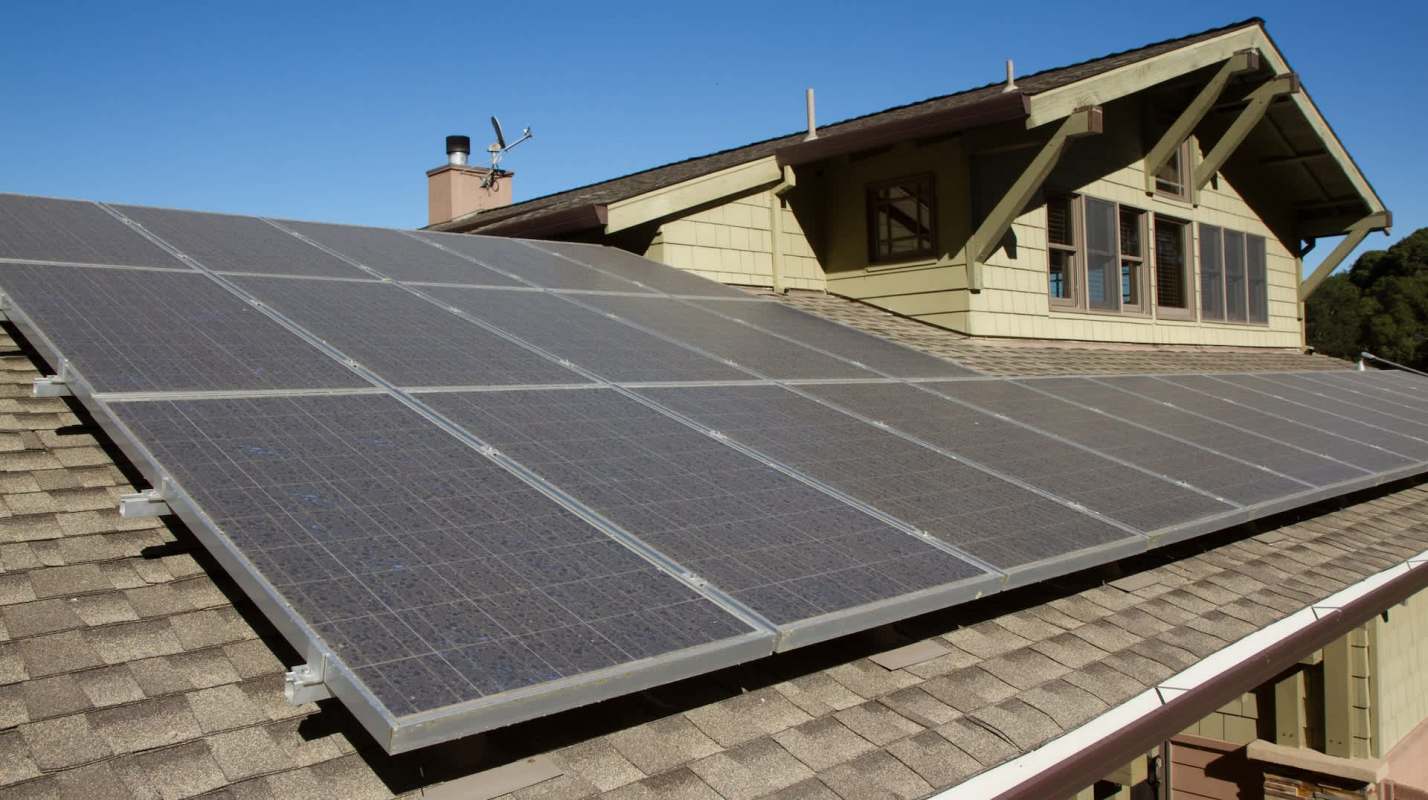
None of the microinverters on a New York homeowner's 24 solar panels matched the specified equipment — a mismatch the owner uncovered by reviewing production data.
The timing of repairs remained a concern for the homeowner, despite the installer's offer of $2,500 and upgraded equipment.
Here's what to know
For a 9.84-kilowatt solar array in Westchester County, the installed equipment did not match the paperwork. The homeowner's Reddit post on r/enphase describes older IQ7+ microinverters on a system whose 2024 contract and approved engineering drawings specified Enphase's IQ8 series.
The installer acknowledged the error in writing after the homeowner uncovered it while reviewing 2025 production data. According to the homeowner, the installed units allow 6.96 kilowatts of continuous output across the array, with each panel limited to 290 watts.
Alongside a $2,500 check, the company's offer included Enphase IQ8HC replacement microinverters. With those units, total continuous output capacity would rise to 9.12 kilowatts, or 380 watts per panel.
Going solar is one of the best ways to save money on home energy, and solar leases in particular can deliver hundreds of dollars in monthly savings without upfront costs. Homeowners can use EasyHome's free explorer tool to see potential savings from vetted installers in their area.
More background
Completing the equipment replacement would not, by itself, release the $2,500 payment under the draft memorandum of understanding. The company would keep the check until the utility granted permission to operate — a step the homeowner feared could come months after the repairs.
The agreement's promise to complete all work and permitting "in an efficient time frame upon receiving both township and interconnection approval" left permit applications and installation without firm deadlines.
Crushed by your bills? See instant solar savings from vetted installers in just a few clicks With energy prices through the roof, there's never been a better time to go solar — and EasyHome can help you find the best prices from the best installers in your area. EasyHome takes the guesswork and headaches out of energy upgrades by showing you estimated savings from a network of vetted local partners. To get started, just enter your ZIP and share a few details about your home — seeing your estimate is really that easy. |

Although the homeowner described a substantial production shortfall, the post did not provide a measured energy-loss total or a calculation of the financial impact. The output figures reflect equipment capacity, not a verified annual loss.
The homeowner included protecting the proposed repairs in their calculation of a possible chargeback. Having paid through American Express, they wanted to know whether disputing the charge could provide leverage without putting the fix at risk.
What can be done?
"Definitely get deadlines, dates, and specifications in the MOU. Maybe talk to a lawyer and the local prosecutor/attorney general," one commenter urged. Others warned that escalating the dispute could undermine cooperation with an installer already offering to correct the mistake.
The homeowner confirmed that new permits would be needed for the higher-output IQ8HC units, although the contract named the IQ8 series rather than that specific model. A commenter also urged them to check the wiring's suitability for the replacements and the microinverter count on each electrical branch.
For homeowners comparing solar proposals, EasyHome offers a free way to explore potential savings with vetted local installers and can also help them explore backup battery storage options. Pairing solar with a battery allows homeowners to maximize savings and power their home with solar when the grid goes down.
The original poster ultimately said they would accept the offer while seeking a clearer schedule for the work. "Thanks. I'm taking the offer and working with them for the fix. I just need to find out what the start dates and what the next expectations are."
Where can I learn more?
Other homeowners have found problems with their solar systems while checking performance or arranging repairs. These stories cover inverter replacements, siding damage, and systems with unexpectedly low output.
• A homeowner says an inverter swap left 15 holes and a crack in year-old siding.
• After their solar company folded, a homeowner received a free replacement inverter but faced installation complications.
• A new homeowner inherited a solar system but learned that monitoring access might not transfer with ownership.
• A solar owner received a $5 energy credit, then discovered half their was system offline.
• An 82-kWh reading led a homeowner to suspect their solar system had been failing for years.

Get TCD's free newsletters for easy tips, smart advice, and a chance to earn $5,000 toward home upgrades. To see more stories like this one, change your Google preferences here.






