


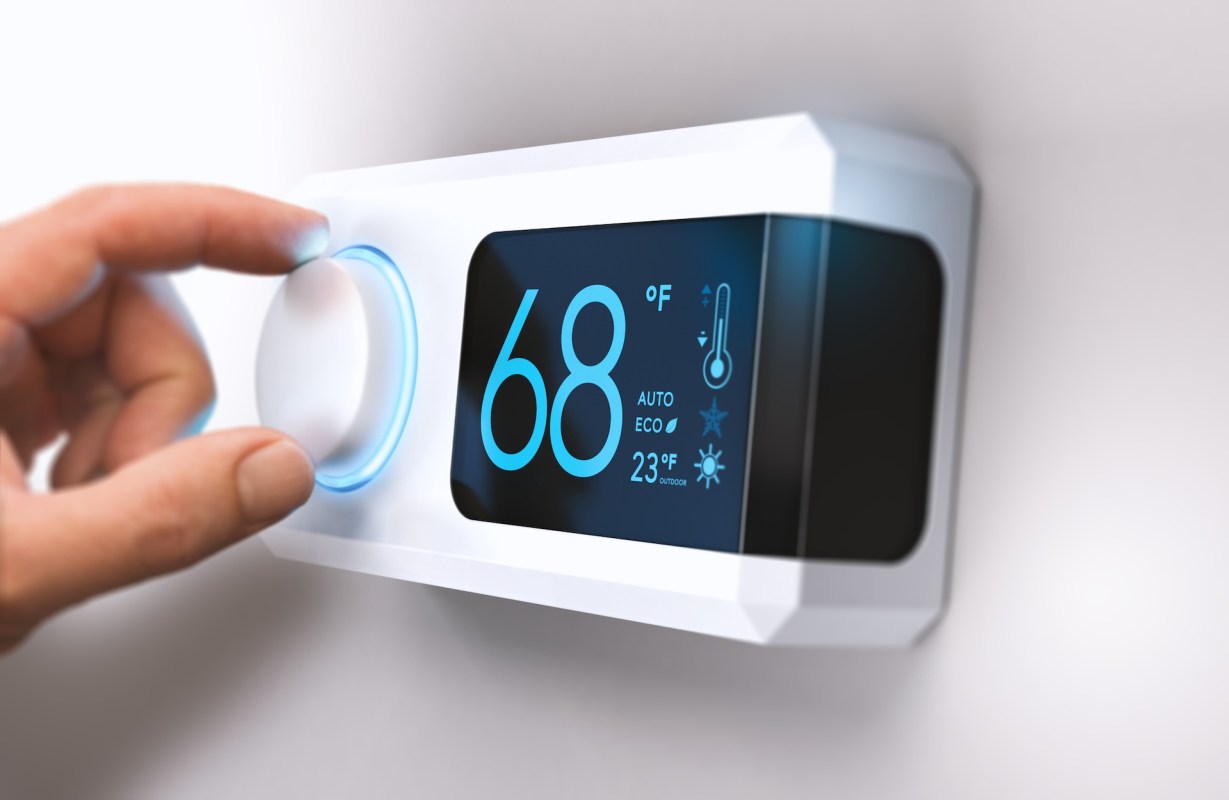
A higher thermostat setting hadn't brought greater comfort for one homeowner. Their house felt colder at 68 degrees than it previously had at 65. The change followed a switch from oil-fueled baseboards to heat pumps that circulate heated air.
With chilly feet and concerns about electricity bills, they turned to the internet for advice.
Here's what to know
In a Reddit post, the homeowner described struggling to get comfortable after replacing their heating system.
"I know they operate very differently, but I wasn't expecting this big of a temp feel," the original poster wrote.
One commenter was happy with their own forced-air system at 68 degrees but noted that transitioning away from radiant heat can "take some getting used to," even though heat pumps are known for keeping rooms comfortable without requiring higher settings.
"The old thermostat may have an inaccurate temp sensor too - my current thermostat reads about 5 degrees off from the actual temperature," another offered.
That prompted the homeowner to disclose the old unit was 25 years old.
"That's a good call," they said.
Crushed by your bills? See instant solar savings from vetted installers in just a few clicks With energy prices through the roof, there's never been a better time to go solar — and EasyHome can help you find the best prices from the best installers in your area. EasyHome takes the guesswork and headaches out of energy upgrades by showing you estimated savings from a network of vetted local partners. To get started, just enter your ZIP and share a few details about your home — seeing your estimate is really that easy. |

Upgrading heating and cooling is one of the best ways to save on utility bills and protect against rising energy prices. Palmetto can help homeowners understand their options and reduce energy bills with newer, more efficient HVACs and heat pumps. Its Comfort Plan network helps homeowners find efficient solutions for their homes and connects them with vetted installers.
More background
The homeowner reported cold feet even as warm air gathered overhead. Most of the vents were in the ceiling and had been designed for air conditioning, while the home's insulation had already been redone.
The thermostat's location also separated it from much of the home's otherwise open floor plan, since it sat in the only enclosed room.
Another commenter described ductwork problems in their own home that impacted HVAC performance, including ducts that were incorrectly sized, lacked insulation, and passed through unconditioned space.
What can be done?
Scheduled temperatures for sleep and time at home had been the homeowner's routine, they acknowledged in reply to a recommendation to hold the temperature steady.
"Now it's all one temp 24/7," the original poster wrote.
Window quality, vent direction, and insulation also figured into commenters' suggestions for evaluating comfort. They recommended checking humidity, too.
"Consider adding humidity in the winter to increase temp feel," one said.
Still, the biggest figure to tinker with was the thermostat.
"The real answer to your question is, you must set your thermostat to whatever feels comfortable to you," a user advised. "There's not a single person on this subreddit that can tell you a magic number to set your thermostat to to feel comfortable, because that is subjective to you alone."
It seemed the original poster had to get over some old hesitancy on that front.
"Growing up I wasn't allowed to touch the thermostat; now in my 40's and I still look over my shoulder if I turn it up!" they shared.
For homeowners who aren't ready to spend up front on a new system, Palmetto's Comfort Plan includes $0-down options that can lower heating and cooling costs by up to 50%. Palmetto Comfort Plans also include 12 years of free maintenance.
Homeowners can pair solar panels with electric appliances, including efficient HVAC systems, to drive utility costs even lower. EasyHome makes it easy to compare solar options and find the best solar system and installer for their home and budget.
Where can I learn more?
Other homeowners switching from oil heat to heat pumps have also had questions about comfort and costs.
• Heat pump owners say expecting air to feel furnace-hot can lead to disappointment.
• HVAC pros advised a homeowner to keep the boiler while adding a heat pump.
• A New Hampshire homeowner questioned oil heating's value after two winters without oil.
• A Connecticut homeowner's electricity use barely changed over four winters after replacing oil with mini-splits.

Get TCD's free newsletters for easy tips, smart advice, and a chance to earn $5,000 toward home upgrades. To see more stories like this one, change your Google preferences here.






