


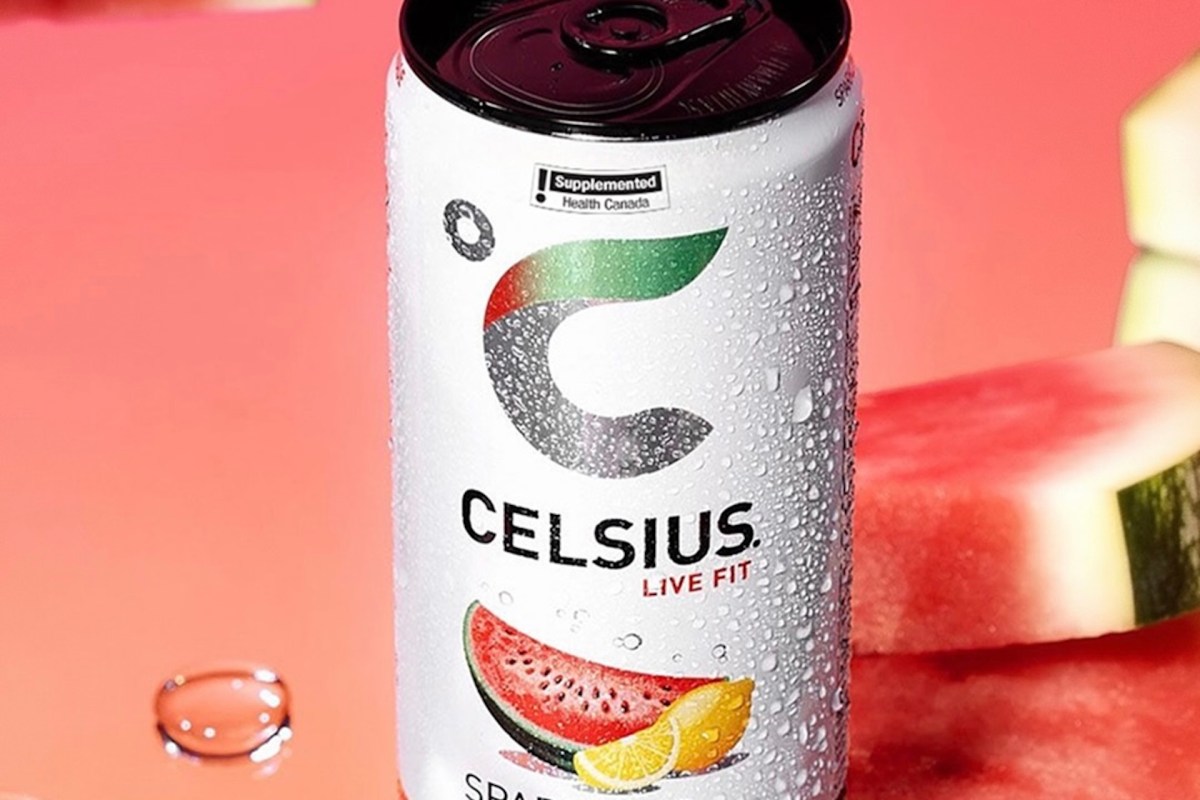
Promises about a boosted metabolism and fat loss can persuade shoppers, but the science supporting them is at issue in a class-action lawsuit against Celsius.
Here's what to know
On Oct. 28, a complaint was filed in the U.S. District Court for the Northern District of Illinois alleging that Celsius has misleadingly claimed its energy drinks and electrolyte powders "accelerate metabolism" and "burn body fat," according to Food Dive.
The lawsuit says that the company's internal research does not support that result without diet and exercise changes. It was filed just two days after a similar complaint was filed in District Court for the Western District of Washington.
More background
For consumers shopping for fitness and wellness products — an increasingly lucrative industry, as Food Dive detailed — health benefits advertised on packaging can determine what they buy.
This isn't the first lawsuit brought against Celsius regarding its health claims, and the company is not alone among food and beverage brands facing scrutiny over their labeling.
In 2011, a judge dismissed a complaint by a California consumer saying the calorie-burning marketing by Celsius was misleading. Class action complaints over packaging claims have also involved Chobani, Liquid Death, and David Protein, according to Food Dive.
TCD Picks » Quince Spotlight
💡These best-sellers from Quince deliver affordable, sustainable luxury for all




What's being done?
The lawsuit is seeking to stop Celsius from continuing to market its products as metabolism-boosting and calorie-burning, alleging that the claims amount to "healthwashing." It is also asking the company to cover attorneys' fees and is seeking financial compensation.
Celsius has defended its health claims.
"Our products are clearly labeled, as they have been for many years, and go above and beyond FDA requirements," a Celsius spokesperson told Food Dive in an email.
Where can I learn more?
These stories examine lawsuits involving sugar claims, protein powder marketing, and disputed ingredient labeling.
• An FDA move against Chobani triggered zero-sugar labeling lawsuits involving allulose.
• Kellogg's faced a California class action over zero-added-sugar claims for Special K with allulose.
• Costco asked a judge to dismiss the Orgain metals case, calling clean labeling marketing "puffery."
• A California class action alleged Kettle Brand's avocado oil chips contained refined seed oils.
• In Québec, a fake maple syrup lawsuit expanded to include Metro, Sobeys, and Loblaws.

Get TCD's free newsletters for easy tips, smart advice, and a chance to earn $5,000 toward home upgrades. To see more stories like this one, change your Google preferences here.







