


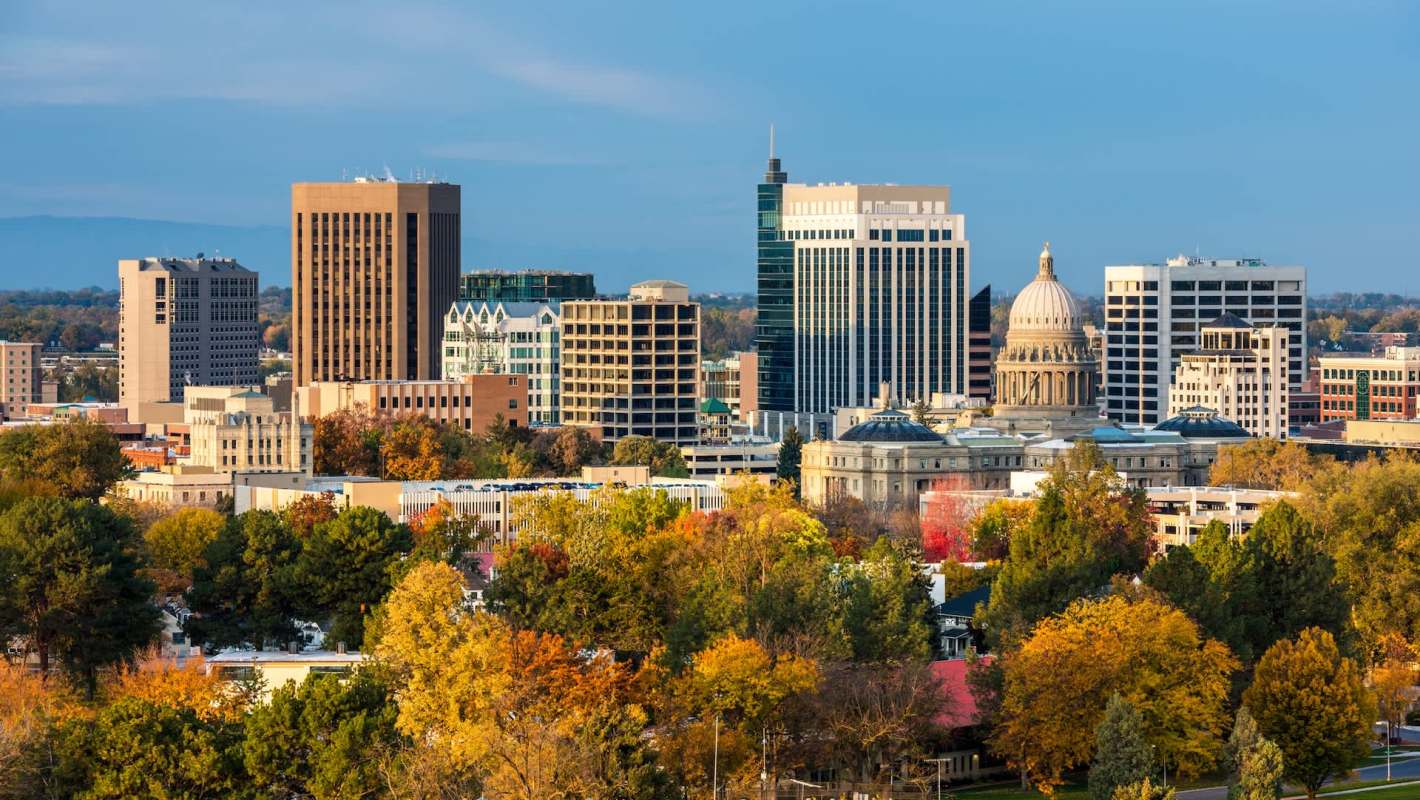
City estimates put potential utility savings at up to 80% for residents of a planned affordable housing development in Boise, Idaho, according to Canary Media.
Those savings would come from using heat drawn from underground — the city's geothermal heating network already supplies other buildings, and extending it would connect more than 300 homes in the development.
Here's what to know
The city put the housing project's total cost at about $140 million.
For the geothermal network extension, semiconductor company Micron Technology contributed $2.5 million to close a funding gap.
The Idaho State Capitol is among about 100 buildings served by Boise's geothermal heating network, Canary Media reported. The largest such network in the country, it delivers naturally heated underground water at 177 degrees Fahrenheit.
For homeowners, upgrading heating and cooling equipment is one of the best ways to save on utility bills and protect against rising energy prices.
Palmetto can help you understand your HVAC options and reduce your energy bills with newer, more efficient HVAC systems and heat pumps. Its Comfort Plan network helps you find efficient heating and cooling solutions and connects you with vetted installers.
More background
Measured in avoided carbon pollution, Boise's existing geothermal network delivers an annual reduction of thousands of tons.
Crushed by your bills? See instant solar savings from vetted installers in just a few clicks With energy prices through the roof, there's never been a better time to go solar — and EasyHome can help you find the best prices from the best installers in your area. EasyHome takes the guesswork and headaches out of energy upgrades by showing you estimated savings from a network of vetted local partners. To get started, just enter your ZIP and share a few details about your home — seeing your estimate is really that easy. |

Matching that would require taking more than 2,000 gas-powered vehicles off the roads, Canary Media said.
Boise has a goal to reach carbon neutrality by 2050, and extending geothermal service would help the city work toward it.
Operating networks are only part of the picture. Including projects under construction or still in planning, there are 33 in the United States, according to the nonprofit Building Decarbonization Coalition, the outlet noted.
Thermal energy networks move heat between buildings. Geothermal systems, which use boreholes, can be one component of those networks.
The first U.S. customers to receive heating and cooling from a geothermal network owned by a gas and electric utility are in Framingham, Massachusetts, according to Canary Media.
Eversource Energy owns that network, which serves roughly 140 customers.
What's being done?
The geothermal heat itself would be free to residents of the Lusk District development.
Developer J. Fisher Cos. is working on the project with Boise's Housing Land Trust Program.
Enfield, North Carolina, has secured initial funding for a geothermal network to cut household energy spending, Canary Media reported. In Denver, plans for downtown buildings leverage heat drawn from both underground and sewage.
For homeowners not ready to spend upfront, Palmetto's Comfort Plan includes $0 down options that can lower heating and cooling costs by up to 50%. Palmetto Comfort Plans also include 12 years of maintenance.
Pairing solar panels with electric appliances, including an efficient HVAC unit, can drive utility costs even lower. EasyHome makes it easy to compare solar options and find the best solar system and installer for your home and budget.
The expected move-in year for the Lusk District project is 2028, while construction is slated to start in the spring, according to Canary Media.
Where can I learn more?
Boise's housing project is one example of how communities are putting underground heat to work.
• Fort Sill, Oklahoma, is rolling out geothermal heat pumps for military family homes.
• A Colorado home's geothermal system delivers nearly free cooling after a costly installation.
• In the U.K., 750 affordable homes receive heat from warm mine water.

Get TCD's free newsletters for easy tips, smart advice, and a chance to earn $5,000 toward home upgrades. To see more stories like this one, change your Google preferences here.






