


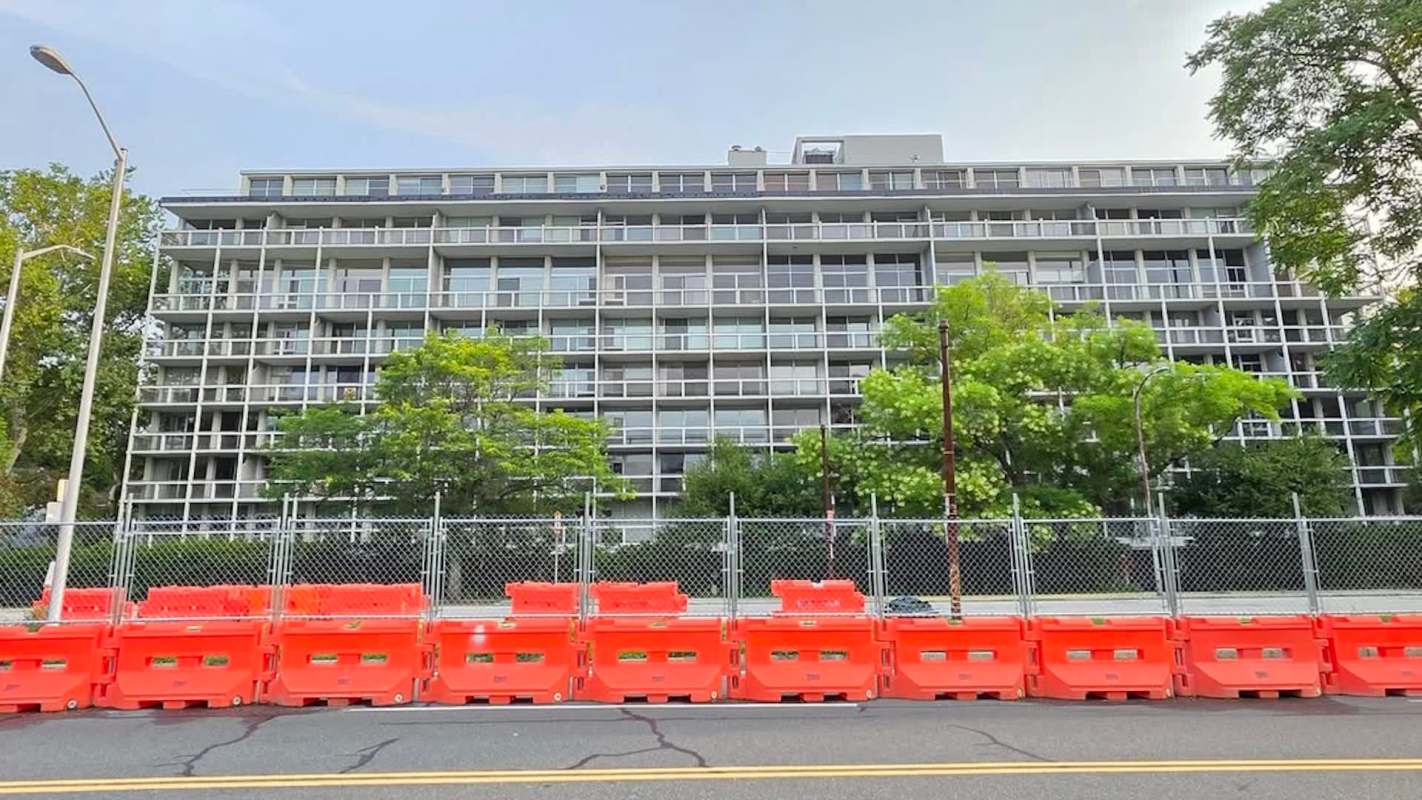
For former residents of a Cambridge, Massachusetts, condominium building, losing their homes was only the beginning of a financial nightmare.
After dangerous structural problems forced the building's demolition, owners received individual bills ranging from approximately $36,000 to $244,000.
Here's what to know
Residents evacuated the nine-story, 66-unit Riverview building in 2024 after discovering longstanding defects in its concrete, according to The Boston Globe. The owners asked the city to demolish it because the structural damage was dangerous and beyond repair.
The demolition cost $9 million, covering structural dismantling, police staffing, asbestos removal, and other expenses. Individual bills began arriving in October 2026, but roughly two-thirds remained unpaid at the end of October 2026, a Cambridge city spokesperson told the Globe.
Casualty insurance has provided no relief, as the owners' claims have been denied so far. Even without homes in the building, they remain responsible for condo fees, taxes, and legal expenses in addition to the demolition bills.
For Linda Salter, an 80-year-old former resident who had lived at Riverview for fewer than two years before the evacuation, the losses go beyond money.
TCD Picks » Quince Spotlight
💡These best-sellers from Quince deliver affordable, sustainable luxury for all




"There is a strong sense of not being in control. We thought at this age we would be in control, and we're not," Salter told the Globe.
More background
A dispute involving mortgage lenders is blocking the sale of the vacant Charles River waterfront property — a potential way for owners to recover some money.
According to court filings cited by the Globe, some banks argue that federal housing legislation enacted in 2008 gives them the right to be repaid before distributing other proceeds.
The condo association had planned to allocate sale proceeds based on each owner's share of the building, generally around 1%. Owners would then address any remaining mortgage debt with their own lenders.
Richard Brooks, a condo attorney with no involvement in the case, questioned the banks' argument.
"I suppose a bank could try that, but it doesn't make any sense to me," Brooks told the Globe.
What's being done?
A Land Court judge is considering the dispute over how to distribute the sale proceeds. Banks have also argued that their claims should take priority over any city liens for the taxpayer-funded demolition, according to legal filings the Globe cited.
Unpaid demolition bills could create another claim against the land before owners can sell it. A Cambridge city spokesperson said the city can secure payment by placing a lien on the property.
An appraisal was expected to help establish the property's value, though the eventual price will depend on what developers believe they can build on the waterfront site. Neither the owners' individual payouts nor a sale timeline has been established.
For Riverview's former residents, many in their 70s and 80s, the financial uncertainty follows the breakup of their community. Some have moved in with family or into apartments.
"It's dragging on slowly," Salter said, according to the Globe. "Slowly is very different when you're 80 than when you're 40."
Where can I learn more?
These other homeowners have faced steep housing bills that threaten their financial security.
• An Arizona man lost his $475,000 home over a $977 debt to his HOA.
• In Florida, condo fees are pushing seniors out of their homes as safety costs mount.
• California seniors face losing their homes after their HOA imposed $26,000 emergency roof bills.

Get TCD's free newsletters for easy tips, smart advice, and a chance to earn $5,000 toward home upgrades. To see more stories like this one, change your Google preferences here.






