


A Washington woman looking to keep her grocery bill below $400 a month found that common money-saving tips weren't so simple to follow.
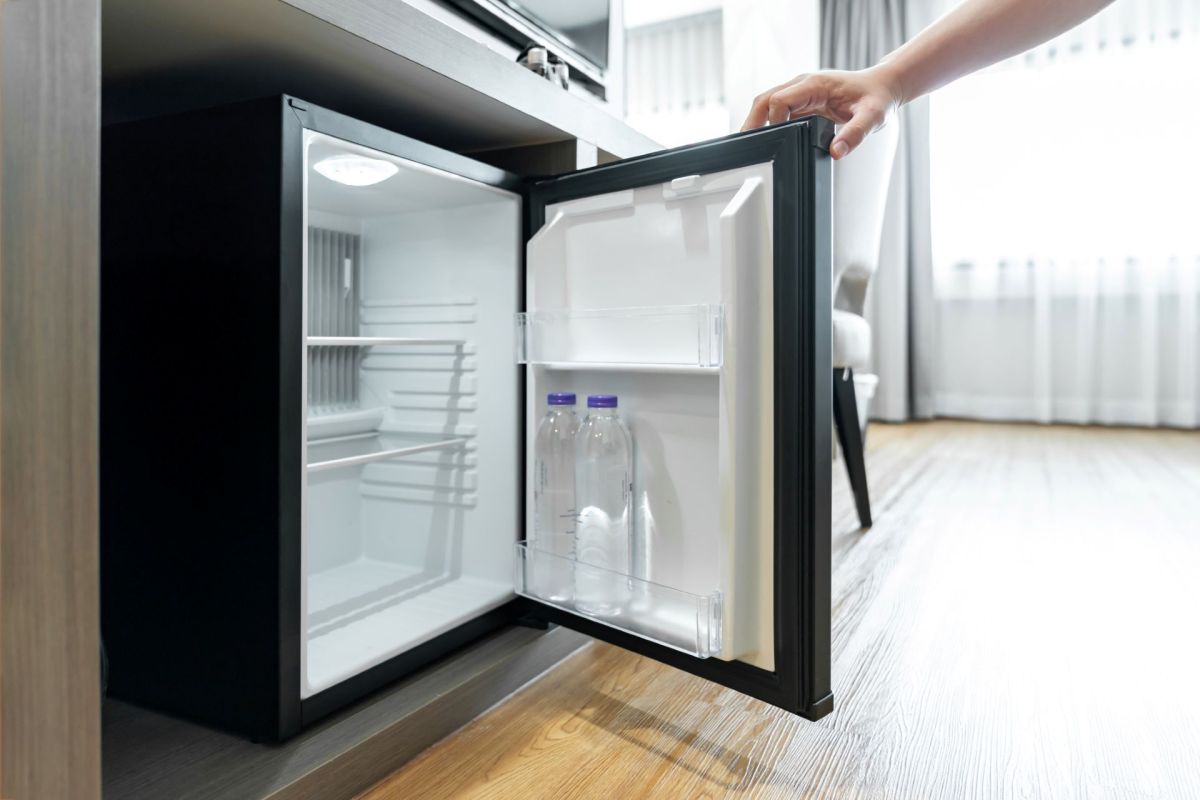
Living alone in a studio with only a mini fridge and a small freezer, the shopper also had to consider how cuts could affect her diabetes.
Here's what to know
In a post on the r/budget subreddit, the 35-year-old Seattle-area resident asked others living alone how much they spent on food and how they kept costs down.
She had already reduced her spending from over $700 a month, when junk food and fast food were part of her budget. The original poster reported losing 70 pounds in eight months after adjusting her diet and managing her health more effectively.
"I just worry cutting more costs means buying more fillers like rice, which aren't as healthy for my blood sugar control," she wrote.
Her limited storage also ruled out a popular suggestion of buying in bulk. Aldi wasn't available to her, though she did have access to WinCo.
TCD Picks » Quince Spotlight
💡These best-sellers from Quince deliver affordable, sustainable luxury for all




More background
Commenters used the original poster's prompt to share their own spending and typical grocery hauls. One reported spending $100 a month.
"I'm whole-food plant-based, so lots of dried beans, grains, veg, fruits, nuts, and seeds," they explained.
Another mostly vegetarian commenter reported spending $300 to $400.
Some budgets covered more than food. One Redditor said they spent $400 on groceries, toiletries, and household goods, up from $325 to $350 a year earlier despite largely unchanged shopping habits.
Others questioned whether the poster was overspending.
"I feel like with how expensive things are nowadays $400 is pretty average," one person wrote. "If I split my grocery haul between Costco (pricey stuff) and Lidl (inexpensive but still good quality), I can save a little bit of money, but I mean it's really gonna end up being around $400 every single time."
What can be done?
Uneaten food was one possible expense a commenter urged the poster to investigate. Reviewing a month's worth of receipts, they suggested, could also help distinguish essential purchases from optional ones.
That commenter's meal-planning advice offered an option that didn't depend on bulk buying or substantial freezer space. They suggested choosing recipes that shared ingredients.
Sales, clearance items, and coupons guided another commenter's choices about what to add to a regular supply of staples. They sometimes bought a Too Good to Go surprise grocery bag for recipe inspiration.
In an update, the original poster identified three changes she planned to try.
"Things I will work on is buying less meat, planning meals better, and focusing on more simple foods/recipes," she wrote. "... I've already improved a lot, but I can do more."
Where can I learn more?
Other shoppers have also weighed what they can change to keep food costs down.
• Shoppers can skip prepped meat and use store brands and loyalty apps to save.
• An Albertsons shopper used store app deals to cut a $130 haul to $80.
• A single man facing a $1,000 food bill tried cash budgeting and meal rotation.

Get TCD's free newsletters for easy tips, smart advice, and a chance to earn $5,000 toward home upgrades. To see more stories like this one, change your Google preferences here.







