


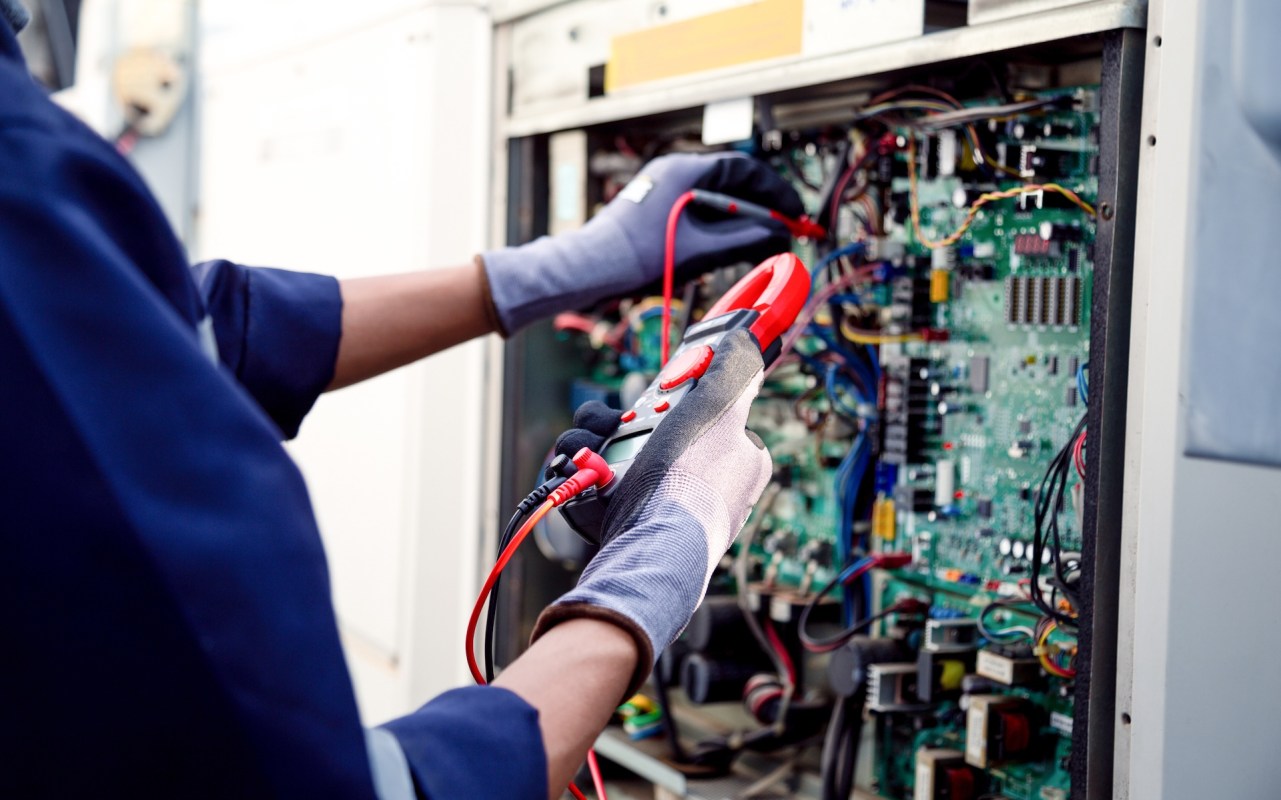
An unexpected electrical expense left a homeowner urgently searching for an electrician during a full HVAC replacement. The contractor had already removed the old system before the homeowner learned that the electrical hookups were outside the job's scope.
Here's what to know
A friend's prior experience with a small HVAC business led the homeowner to hire it, according to a Reddit post.
The installer said none of the homeowner's requests would be a problem. Those requests included removing the existing system, installing its replacement, and relocating the outdoor condenser. However, after the HVAC tech removed the old system, he told the homeowner he needed to hire an electrician to hook everything up.
"None of the companies I talked to mentioned the electrical or listed it on the quote, so I didn't know it was an option to not do that," the homeowner wrote.
Upgrading heating and cooling is one of the best ways to save on utility bills and protect against rising energy prices. Palmetto helps homeowners understand their options and reduce energy bills with newer, more efficient HVACs and heat pumps. Its Comfort Plan network helps homeowners find efficient heating and cooling solutions and connects them with vetted installers.
More background
Commenters explained that the electrical work an HVAC contractor can perform depends on local rules and licensing requirements.
Some commenters pointed to jurisdictions where HVAC contractors can perform more extensive electrical work. Another described a common boundary: HVAC technicians often handle wiring only from the disconnect — the equipment used to shut off power to the system — onward, so relocating that equipment may require a licensed electrician.
A commenter explained that leak testing and evacuating the system would still be necessary if the condenser were returned to its old location. The homeowner had raised that possibility, but it would also involve recovering the refrigerant, moving and reconnecting refrigerant lines, and recharging the system. The homeowner could face an extra charge for that work.
Crushed by your bills? See instant solar savings from vetted installers in just a few clicks With energy prices through the roof, there's never been a better time to go solar — and EasyHome can help you find the best prices from the best installers in your area. EasyHome takes the guesswork and headaches out of energy upgrades by showing you estimated savings from a network of vetted local partners. To get started, just enter your ZIP and share a few details about your home — seeing your estimate is really that easy. |

What can be done?
For this homeowner, the next step is to clarify exactly why a separate electrician is needed.
Electrical hookups, moving the disconnect, and installing any new circuits are all items to address in a written scope of work. Anyone planning a replacement should confirm whether the quote includes those tasks before removing the old system.
For homeowners not ready to spend upfront, Palmetto's Comfort Plan includes $0-down options that can lower heating and cooling costs by up to 50%. Palmetto Comfort Plans also include 12 years of free maintenance.
Homeowners can pair solar panels with electric appliances, including efficient HVACs, to drive utility costs even lower. EasyHome makes it easy to compare solar options and find the best solar system and installer for their home and budget.
One commenter suggested that the misunderstanding could stem from a lack of communication between the installer and the customer. "Some of us techs just get so used to the job that we assume customers know more than they do and don't bother explaining properly."
Where can I learn more?
Electrical requirements and wiring problems can turn a heating and cooling upgrade into a bigger-than-expected job.
• A mini-split ran on a spliced extension cord, leaving the outlet warm during use.
• A homeowner sought a 120V window heat pump after sewer piping derailed a panel upgrade.
• A homeowner's new mini-split never worked, revealing bad wiring and a leak, with no refrigerant.
• After a homeowner replaced a thermostat, commenters suspected wiring rather than compressor failure.
• A homeowner questioned HVAC control wiring after technicians left exposed copper wire ends.

Get TCD's free newsletters for easy tips, smart advice, and a chance to earn $5,000 toward home upgrades. To see more stories like this one, change your Google preferences here.






