


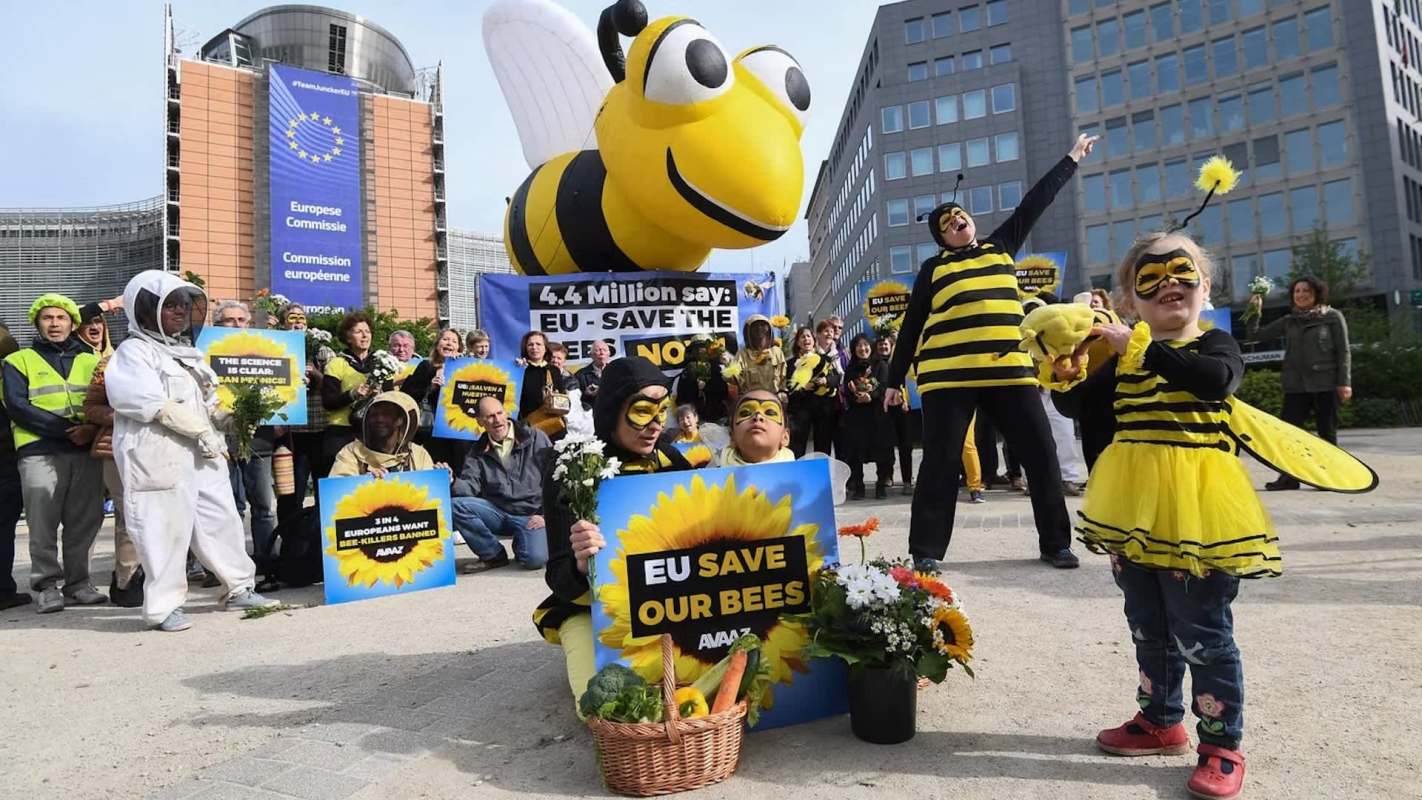
New York's move to restrict bee-harming pesticides is drawing attention on social media, raising concerns about bee health, honey production, and the farms that depend on pollinators.
Here's what to know
Content creator Zephyr Zoidis (@ZephZoid) described in an Instagram post, "Europe banned the pesticides killing bees years ago, and New York just followed."
The post goes on to explain that the Birds and Bees Act now restricts neonic-coated corn, soybean, and wheat seeds in New York starting in 2029. The EU reportedly banned outdoor use of the primary neonicotinoid insecticides in 2018 following years of protests from beekeepers.
One commenter described the difficulties facing a beekeeper they work for. "The beekeeper I work for said his bees produced 50% less this year than last year," they wrote.
The same commenter reported a 40% loss of bees. These figures reflect one person's account, not verified statewide statistics, and the comment does not establish what caused either decline.
What's being done?
The post pointed to government restrictions in New York and Europe as efforts to address pesticides that harm bees. It offered no details, however, about enforcement or the alternatives available to farmers.
TCD Picks » Quince Spotlight
💡These best-sellers from Quince deliver affordable, sustainable luxury for all




Locally, the commenter raised concerns about aerial spraying on neighboring farms. "My bees health declined when neighboring farms aerial sprayed," they wrote.
The commenter also urged neighboring farms and beekeepers to communicate. "Talk to your neighbors, our food supply system can't survive without the bees."
Where can I learn more?
Efforts to protect bees range from planting wildflowers to restricting harmful pesticides. These stories cover bee habitat projects, pesticide pricing and oversight, and proposed restrictions on pesticides and rat poison.
• New England towns are embracing wildflowers and rooftop gardens to help protect rusty patched bumblebees.
• Corteva will pay $35 million and end loyalty rules accused of blocking cheaper pesticides.
• California's proposed PFAS pesticide ban was weakened after industry lobbying, according to its author.
• Washington lawmakers are considering restrictions on rat poison after 12 children were hospitalized.
• Documents indicate the EPA let Bayer shape its own regulations for a destructive weedkiller.

Get TCD's free newsletters for easy tips, smart advice, and a chance to earn $5,000 toward home upgrades. To see more stories like this one, change your Google preferences here.







