


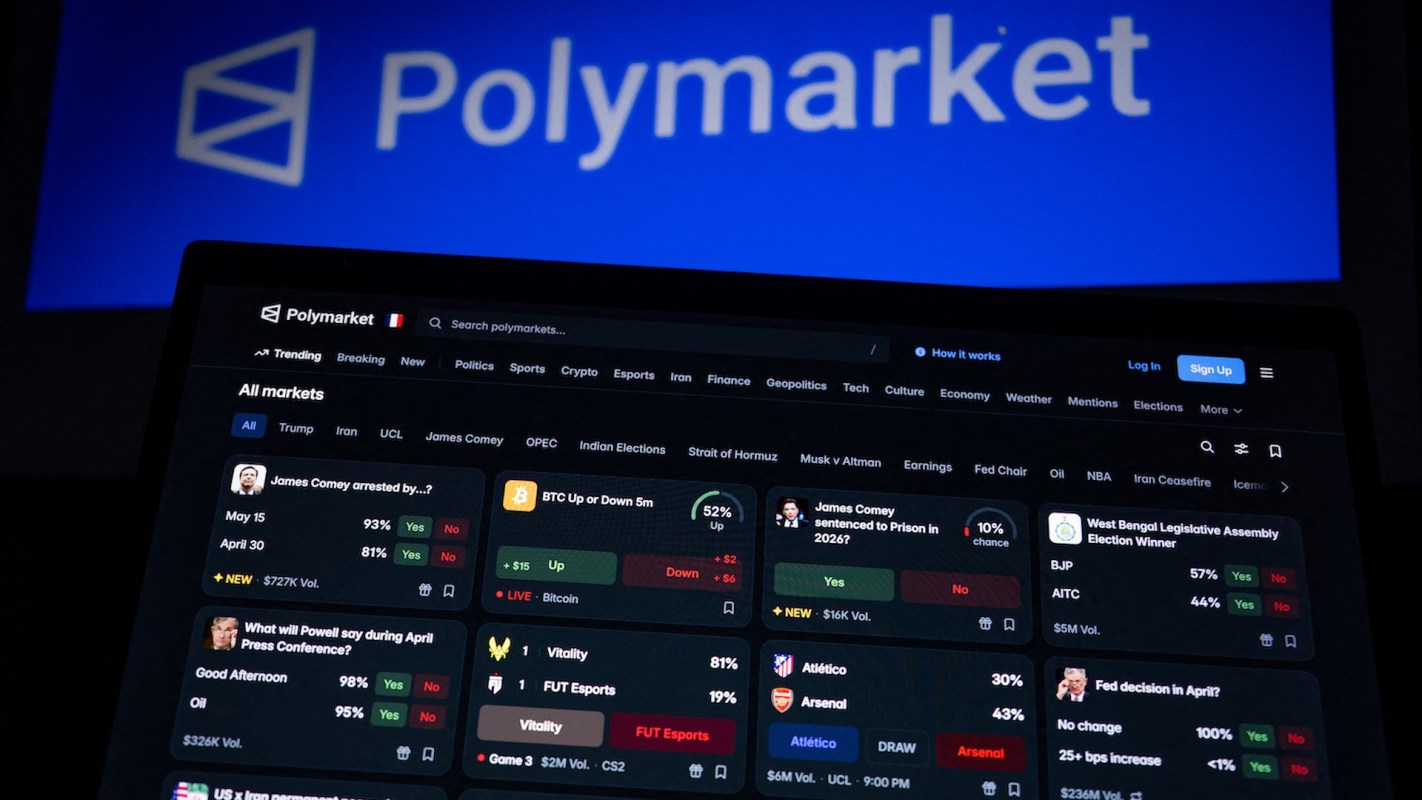
A former U.S. trade regulator has now begun championing prediction markets as a public good, arguing that such markets help reveal the so-called "wisdom of the crowd."
Here's what to know
James Christopher Giancarlo, who previously led the U.S. Commodity Futures Trading Commission, now advises companies that he used to regulate. That includes Polymarket, where he chairs its advisory board, Futurism reported.
In an appearance on Bloomberg TV, Giancarlo argued that useful forecasts can emerge from wagers on future events. He further contended that people seek certainty on a range of events, from election outcomes, gas prices, and interest rates, and that prediction markets can help give people more information about what to expect.
His argument rested on the "wisdom of the crowd," or the idea that combining many people's judgments can yield valuable information.
"If you can pull the wisdom of the crowds of tens of thousands or hundreds of thousands, it's a lot better than your average poll which polls maybe 800 people," Giancarlo said, per Futurism. "I think there's a social benefit in this, whether you participate in them or not, you may like the data that comes out."
The downsides of gambling
Giancarlo's narrative about the benefits of prediction markets failed to mention the downsides, which can be considerable for individuals and families. Concerns over gambling addiction and the potentially devastating financial consequences of gambling extend beyond prediction markets to the broader boom in online gambling.
TCD Picks » Quince Spotlight
💡These best-sellers from Quince deliver affordable, sustainable luxury for all




While these platforms may offer entertainment, they also raise questions about potentially predatory design, aggressive advertising, financial risk, and the ease of placing bets in real time from anywhere with an internet connection.
In the Bloomberg TV interview, Giancarlo appeared to shrug off gambling's social impacts.
"Like it or not, people like to gamble," he said, according to Futurism. "Human nature is human nature. I think there's a social benefit to prediction markets."
Tim Stenovec, the Bloomberg TV anchor interviewing Giancarlo, explained how he had received a lot of feedback from people questioning the influence that online gambling was having on society, especially young people.
Stenovec shared that he had heard people saying things such as, "'I do not want my kids exposed to this stuff,' like the gamification of everything in society."
"They don't see it as a good thing," he added, according to Futurism.
Where can I learn more?
The debate over prediction markets' public value comes amid legal challenges, regulatory threats, and concerns about consumer risk.
• Critics argued Polymarket and Kalshi used prediction-market labels to dodge liability and taxes.
• Polymarket attracted stolen-card scammers, with fraud attempts topping $10 million, adding to concerns about platform safeguards.
• New York sued Polymarket over alleged illegal gambling, seeking to shut the platform down.
• George Santos and Bill Simmons helped prediction markets sell gambling to America.
• Michigan's attorney general secured a new Kalshi block over unlicensed sports betting.

Get TCD's free newsletters for easy tips, smart advice, and a chance to earn $5,000 toward home upgrades. To see more stories like this one, change your Google preferences here.






