


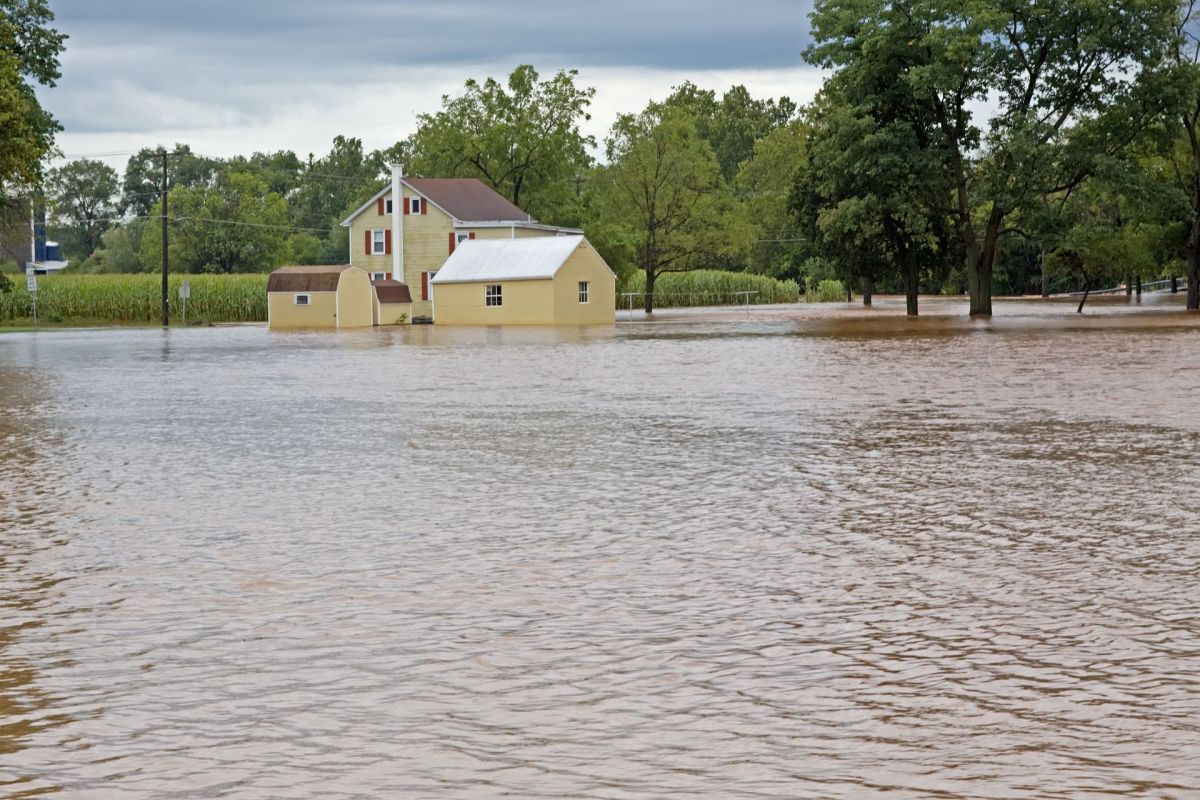
Even if a home experienced just a few inches of flooding on its bottom floor, the result could be tens of thousands of dollars in damage.
However, to date, Pennsylvania homeowners have had to disclose relatively little information about a property's flood history and potential flood risk to potential buyers.
That will now change with the passage of a law that will require sellers to provide information about the property's flood zone and prior flooding history, including the approximate date of prior incidents.
Here's what to know
Josh Shapiro, the Pennsylvania governor, signed a law requiring sellers to disclose more information about a property's flooding history and flood-insurance requirements, WHYY News reported. Sellers must begin compliance by summer 2028, the deadline for the state's Real Estate Commission to revise the property disclosure statement.
Buyers must be told whether flood insurance will be required for the property and whether the property falls within a FEMA-designated high- or moderate-risk flood zone. The disclosure must also give the approximate dates of previous floods and state how many times the property has flooded.
Any government aid a seller received for flood damage must be reported, as must any flood insurance claims the seller filed. Nearly three-quarters of states have laws requiring some flood-risk disclosures, WHYY News reported, citing a 2025 Natural Resources Defense Council analysis.
TCD Picks » Quince Spotlight
💡These best-sellers from Quince deliver affordable, sustainable luxury for all




More background
Because flood insurance is typically not included under a standard homeowners insurance policy, paying extra for it can be an additional burden on household budgets.
Outside high-risk flood zones, renters and homeowners have the option of buying flood coverage. However, for homes inside a high-risk zone that have a federally backed mortgage, such coverage is mandatory, according to WHYY.
Flood policies can easily cost hundreds or thousands of dollars annually, according to Steven Koller, a research fellow with the Joint Center for Housing Studies at Harvard University.
Koller cautioned that while increasing disclosure requirements gave potential buyers more information, that information did not necessarily give buyers more options. A shortage of affordable housing may leave people purchasing flood-prone properties despite knowing the risks, particularly when affordable alternatives are unavailable elsewhere.
What's being done?
Many Pennsylvania realtors have already been using a disclosure form with seven flood-risk questions, according to Mark Kibbe, the legislative committee chair for the Pennsylvania Association of Realtors, per WHYY. However, the new law extended consistent requirements to other real estate professionals and homeowners selling without an agent, Kibbe said.
Informed buyers who are able to foot the bill can take protective steps to protect their property, such as raising their homes or choosing construction materials that resist water damage, Dakota Fisher of the Natural Resources Defense Council told the publication. Those investments can also limit taxpayer exposure through National Flood Insurance Program payouts.
Renters, however, remained outside the new law's protections. A separate bill from Pennsylvania state Rep. Perry Warren would require landlords to disclose a property's flood history, flood-zone status, and whether their flood insurance covers tenants' belongings, according to WHYY News. The bill has not advanced since it was sent to a House committee in July 2025.
Where can I learn more?
Households outside Pennsylvania have faced similar questions about flood risks and insurance coverage.
• In Philadelphia's Eastwick neighborhood, residents were considering buyouts as floods worsened.
• In North Carolina, a federal flood policy gap sent mobile home residents back to washed-away lots.
• In Ireland, 13,000 flood-risk homes received insurance as weather concerns rose.
• In Florida, most homeowners policies still excluded flooding, leaving households exposed during hurricane season.
• In California's Riverside County, eligible residents could get 25% off flood insurance as El Niño approaches.

Get TCD's free newsletters for easy tips, smart advice, and a chance to earn $5,000 toward home upgrades. To see more stories like this one, change your Google preferences here.






