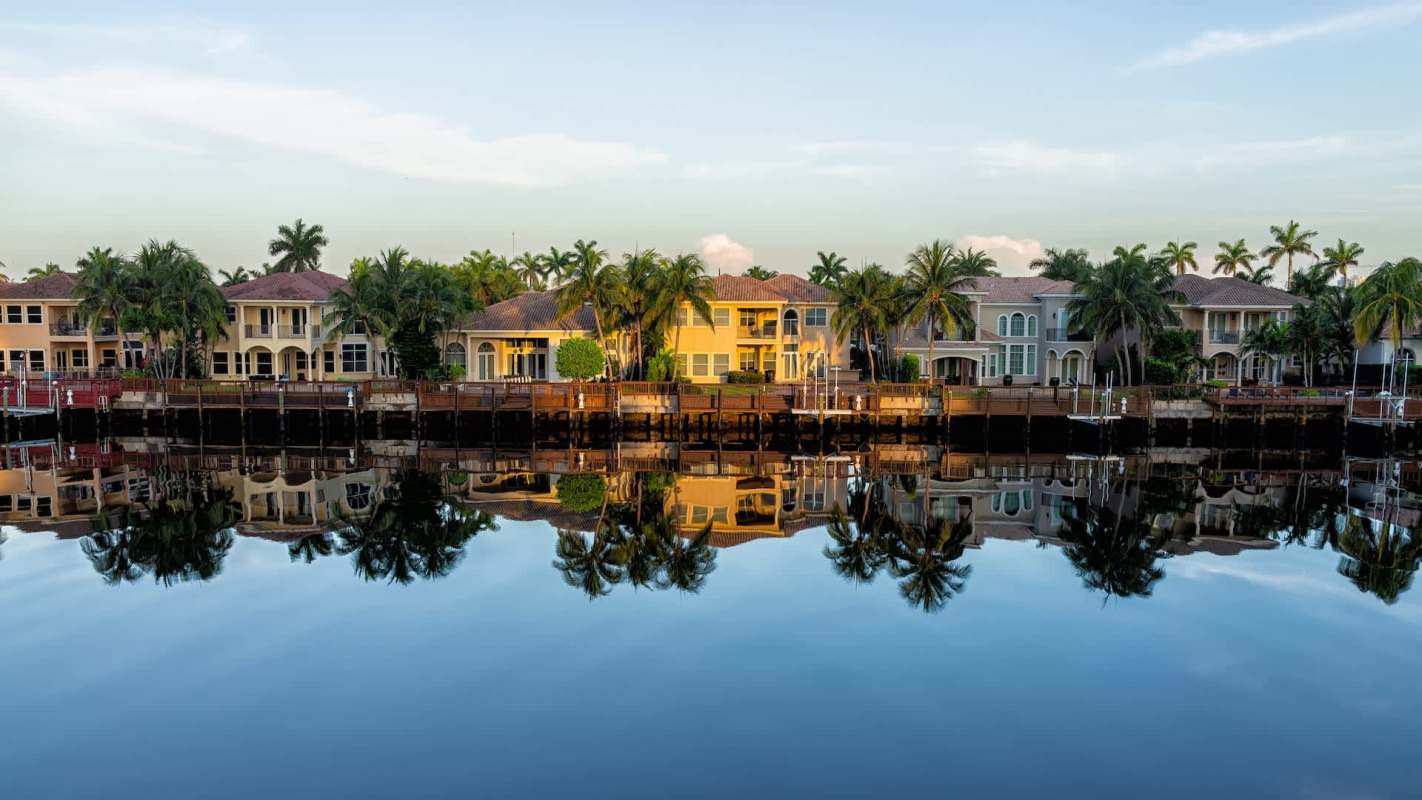
Rising flood insurance bills can become an unwelcome part of retirement long after a home near the water has been purchased.
Here's what to know
According to 24/7 Wall St, federally backed mortgages require separate flood coverage for properties in Special Flood Hazard Areas, where the annual chance of flooding is at least 1%. That coverage is separate from standard homeowners insurance, which excludes flooding.
Flood insurance assessments consider exposure to heavy rain and other types of flooding. Most flood policies come through the Federal Emergency Management Agency's National Flood Insurance Program.
Since April 1, 2022, the program's Risk Rating 2.0 pricing system has assessed individual homes based on factors such as distance from water, foundation type, floor elevation, and estimated rebuilding costs.
Annual increases for primary homes are capped at 18%, while second homes can face increases of 25% until they reach the full rate.
Those increases gradually bring older, discounted policies in line with prices based on a property's full flood risk.
TCD Picks » Quince Spotlight
💡These best-sellers from Quince deliver affordable, sustainable luxury for all




More background
For retirees living on a fixed income, repeated increases can strain an already carefully planned budget.
In 24/7 Wall St.'s example, a primary home's $3,000 premium, rising by the maximum 18% each year, would reach about $4,930 after three increases and $6,860 after five.
That leaves homeowners paying roughly $3,860 more per year than they initially budgeted. Under the example's assumptions, covering that additional yearly expense through a 4% withdrawal from savings would require about $96,600 in additional retirement funds.
The federal program caps single-family home coverage at $250,000 for damage to the house, with a separate $100,000 limit on belongings, even though a waterfront home could cost substantially more to rebuild.
Selecting flood coverage adds to the decisions buyers face as they weigh homeowners insurance, property taxes, and the purchase price.
Private flood policies generally offer more coverage due to the shortfall in federal protection.
What can be done?
FEMA offers premium credits for elevating a house, relocating equipment such as furnaces and water heaters above the bottom floor, and adding vents so floodwater can flow through the lower walls.
Some residents can also earn discounts of 5% to 45% through FEMA's Community Rating System. An elevation certificate, which records a surveyor's measurements of a home's height, can help lower premiums too.
Buyers can explore taking over the seller's policy to preserve its history and annual increase cap, or obtain a private insurance quote. FEMA's FloodSmart website provides flood-zone and local claims information to help inform those decisions.
A cash purchase does not bypass the waiting period, whereas coverage bought with a mortgage can take effect at closing if the application is submitted by then. Federal flood coverage generally comes with a 30-day waiting period.
Before closing, buyers can request the seller's current flood insurance declarations page.
The document shows the policy's cost, coverage limits, and deductibles, giving buyers a specific insurance cost to consider alongside the home's purchase price.
Where can I learn more?
Gaps in flood coverage and repeated damage can add to the cost of owning a home.
• In Florida, most homeowners policies still won't cover flooding as hurricane season peaks.
• Eligible Riverside County, California, residents could receive 25% off flood insurance as El Niño approaches.
• In North Carolina, a federal flood policy gap sent families back to washed-away lots.

Get TCD's free newsletters for easy tips, smart advice, and a chance to earn $5,000 toward home upgrades. To see more stories like this one, change your Google preferences here.