


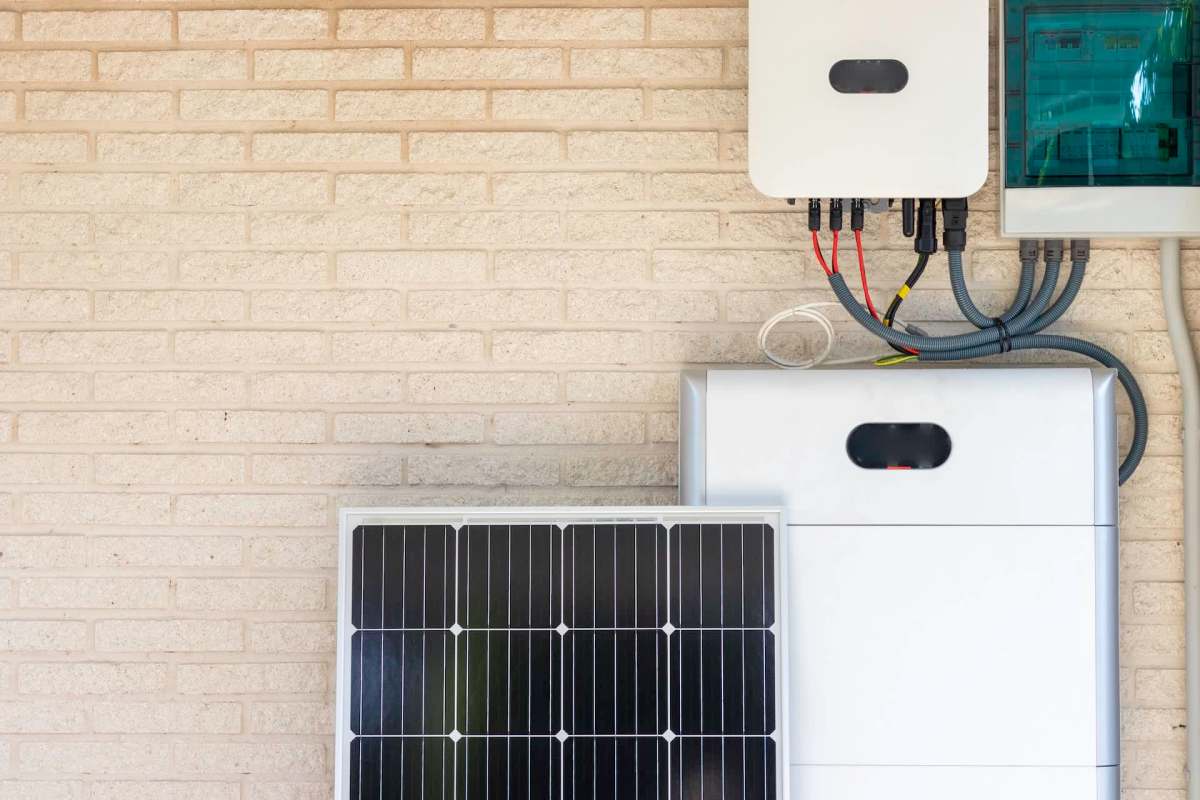
After a 12-hour blackout, one homeowner weighing the cost of a whole-home generator against a solar-and-battery system found an unexpected middle ground of using the two together.
The homeowner was considering a $5,000 generator or a solar-and-battery setup costing $30,000 or more, but commenters pointed out that batteries could support a generator instead of replacing it.
Here's what to know
In a Reddit post, the homeowner explained that they already had propane available. Connecting a Costco generator would probably cost another couple thousand dollars, while enough battery storage to last more than a day looked expensive even before installation.
"Am I missing something?" the original poster asked.
The r/SolarDIY community answered that they were.
"Solar + batteries will reduce your electricity bill vs just the generator for backup," one user responded. "If you are only using batteries for backup, then yes it will never justify. If you use batteries for load shedding, night time use, etc, then payback will significantly improve."
TCD Picks » Quince Spotlight
💡These best-sellers from Quince deliver affordable, sustainable luxury for all




An inverter-charger would handle two jobs in one commenter's proposed setup by charging batteries and converting stored electricity for household use. They suggested pairing that equipment with batteries and a smaller generator.
The commenter recommended running a generator for two three-hour sessions each day during an extended outage, one in the morning and one at night, with batteries supplying power between sessions.
More background
Another person said their utility offered a demand/time-of-use plan with off-peak power priced at 50% of the standard residential rate. The homeowner also reported having an electric vehicle electricity rate of about 5 cents per kilowatt-hour, making battery charging inexpensive.
Noise was another consideration. One user who had experienced an outage lasting almost a week wanted enough battery storage to get through roughly eight overnight hours without running a generator.
The homeowner, meanwhile, said their nearest neighbor was 600 feet away, making noise less of a concern.
What can be done?
Powering every appliance throughout an outage was not the only option discussed. Commenters recommended identifying the essential circuits as a starting point.
One suggested a 10- or 12-circuit transfer switch connected to battery storage, with solar panels added to recharge the batteries.
The homeowner expressed interest in a combined approach while waiting to build a full solar installation. Another commenter warned that neglected generators might fail when an emergency arrives.
One participant, whose 14,500-watt generator mostly sits unused as backup, described how the technologies work together.
"But battery + solar complements a generator," they wrote. "It's not an either/or. It allows the fuel you have to stretch so much further during an outage."
Where can I learn more?
The cost of batteries and the practicalities of running a generator have left other homeowners weighing similar options.
• Two seniors weighing batteries against a generator heard owners warn that batteries might not suffice.
• A Pennsylvania homeowner with 30-kWh storage considered a $1,000 backup generator for rare outages.
• A homesteader considered battery backup for outages, while a four-day blackout pushed others toward generators.
• An Indiana couple seeking an indoor generator after storms learned batteries still need recharging.

Get TCD's free newsletters for easy tips, smart advice, and a chance to earn $5,000 toward home upgrades. To see more stories like this one, change your Google preferences here.






