


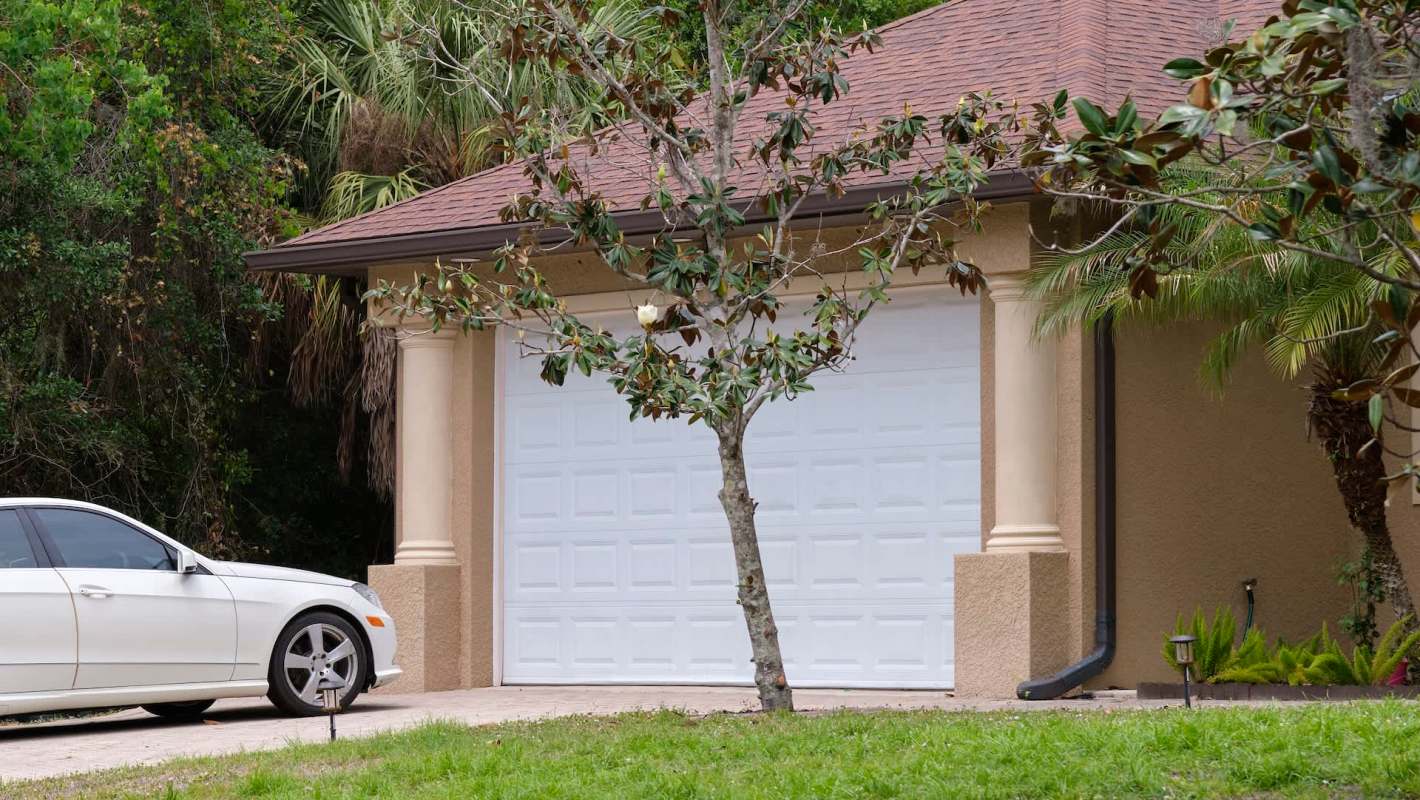
A Florida security worker's question about sharing a family car sparked a discussion about the cost of keeping a second vehicle.
Some respondents described sharing cars, while others had given up car ownership altogether, with location playing a major role.
Here's what to know
The question was whether a pattern among coworkers extended beyond the poster's own circle. On Reddit, the worker described coworkers sharing vehicles with spouses or family members and splitting repair costs, while calling multiple cars a "luxury."
"I was going to get a new car after my transmission dropped in January and had Ubered or taken the bus while looking, I stopped looking for a car and think it was a great move," one person wrote.
One respondent suggested that remote and hybrid work has changed the outlook for vehicle ownership, with not every householder needing daily transportation. They noted that a largely unused vehicle still requires insurance, maintenance, or annual registration bills.
More background
For the original poster, going without a car did not seem practical, with a lack of public transportation playing a role.
TCD Picks » Quince Spotlight
💡These best-sellers from Quince deliver affordable, sustainable luxury for all




"I live in Jacksonville, Florida and we had to have a car here," they wrote. "The bus system is a joke."
The wish to stop paying for a car ran into a lack of walkable routes and public transit for one commenter. For another, unusual work hours and the absence of affordable public transportation around an airport made driving necessary.
Even where public transportation was available, some commenters said sharing a vehicle was a financial necessity rather than a choice.
A breakdown or the loss of a vehicle could leave a household with just one car when replacing it was unaffordable, one commenter explained. Another had relied on a partner's working vehicle after being priced out of car ownership for three years.
What can be done?
One household's transportation savings more than covered the higher rent to live in the city center rather than the suburbs. The commenter added that they relied on bicycle commuting, public transit for a spouse who could not drive because of a disability, and occasional Uber trips or rentals.
"I think it's becoming more common," the same poster concluded. "But it's very region specific. So many areas are still very car dependent. Regardless, I think the rising costs of car ownership and WFH are pushing more households to be one or no car households."
Two cars more than 20 years old gave one household a backup whenever either vehicle needed work. The commenter handled maintenance and repairs themselves, describing another approach for people who still needed two vehicles.
Where can I learn more?
Keeping a second car can be costly, but getting by without one heavily depends on where you live.
• Across the U.S., drivers are returning to older cars amid frustrations with payments, repairs, and screens.
• A Dallas driver said one toll road trip costs 86% more than an hour's minimum wage.
• In America's suburbs, burdens include car-dependent living, yard work, and isolation.

Get TCD's free newsletters for easy tips, smart advice, and a chance to earn $5,000 toward home upgrades. To see more stories like this one, change your Google preferences here.






