


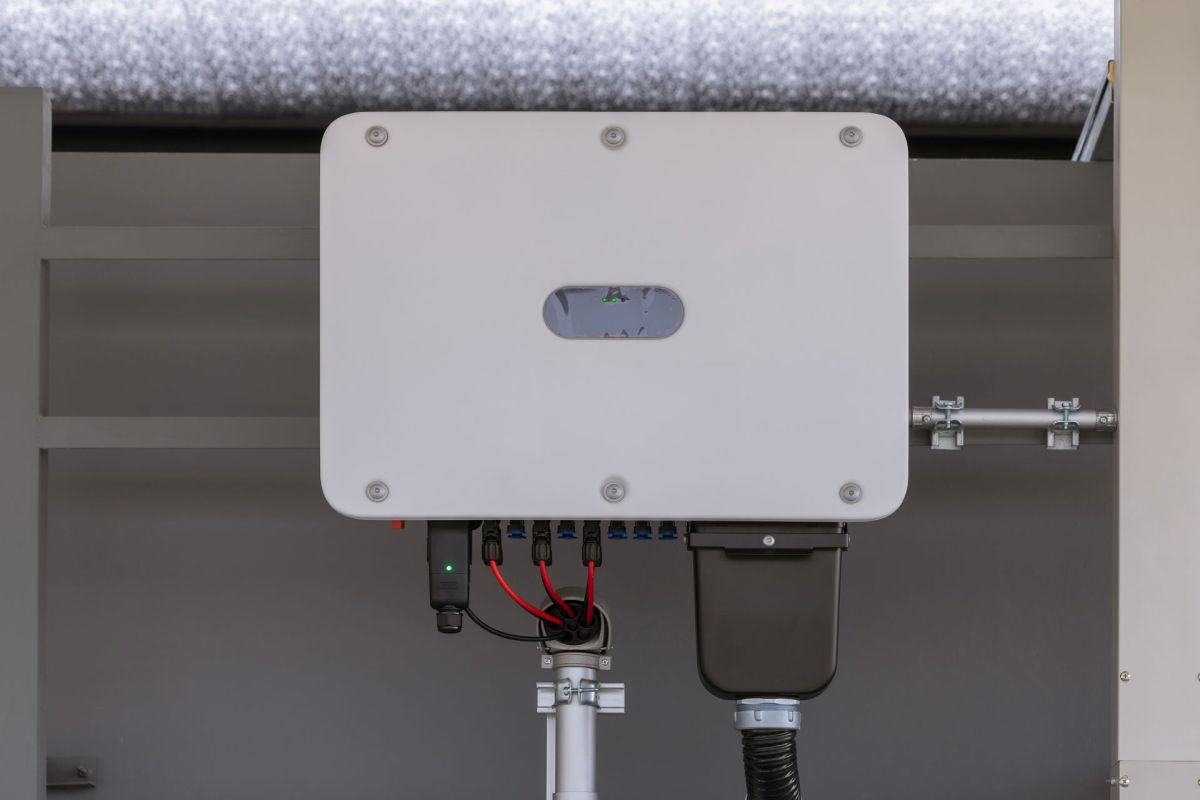
A DIYer reported using a portable battery and a voltage booster to supply roughly 220 watts overnight through a solar microinverter, potentially covering some household electricity demand after sunset.
However, the Reddit discussion also raised questions about equipment compatibility and whether the potential savings would justify the cost.
Here's what to know
Avoiding a home-built battery system was central to the poster's plan to supply roughly 400 watts overnight with a Bluetti-style power station. In the post on Reddit, they explained, "I have read about people using their 48 V battery banks to power micro inverters at night however, I'm wondering if it can be done with one of these solar power stations so I don't have to build my own battery system."
One commenter cited roughly 220 watts as the output when describing a setup that paired an EcoFlow Delta Pro with an EcoFlow Stream. Their earlier estimate had been around 250 watts of household electricity demand offset.
Beyond that DIY approach, adding battery storage is one of the best ways to protect your home during outages and save on energy costs. Storage can also provide greater energy independence.
Homeowners can explore EnergySage for home battery storage options, including competitive installation estimates. EnergySage has also teamed up with electrification brand Qmerit to help homeowners get the best price on home battery storage solutions.
More background
In that setup, the Delta Pro's DC output was scheduled to run from 3 p.m. to 7 a.m. A booster supplied the microinverter with 24 volts, since the station's 12-volt output could not activate it. The reported results came from the user's account, not an independently verified performance test.
Voltage requirements also surfaced in a comment about a Hoymiles 360-watt inverter: the person awaiting it said it needed 22 volts. Another commenter considered one power station's 13.2-volt port too low, even though its 396-watt rating approached the original poster's target.
Crushed by your bills? See instant solar savings from vetted installers in just a few clicks With energy prices through the roof, there's never been a better time to go solar — and EasyHome can help you find the best prices from the best installers in your area. EasyHome takes the guesswork and headaches out of energy upgrades by showing you estimated savings from a network of vetted local partners. To get started, just enter your ZIP and share a few details about your home — seeing your estimate is really that easy. |

The thread included no electricity rates, charging costs, equipment purchase totals, or measured dollar savings. Without those details, the reported wattage alone can't show how much the setup might save or how long it would take to recoup the investment.
What can be done?
A model-specific compatibility check was the commenters' advice for the prospective Bluetti buyer: would that station's DC output meet the microinverter's requirements?
A functioning low-voltage cutoff in the battery-management system was particularly important, one commenter cautioned. Without it, a battery-fed microinverter could keep drawing power until the battery was depleted.
For readers prioritizing backup rather than experimental microinverter connections, Pila is another company offering strong battery backup options. Pila's plug-and-play batteries cost a fraction of a whole-home backup system. That is a separate option from reproducing the Reddit user's setup.
Covering the many small, ongoing loads around a home was different from powering just one or two devices, a reply noted about the original poster's goal. That distinction addressed another commenter's suggestion to use the Bluetti to power appliances directly.
Another Redditor wrote, "Yes you can, but the costs will be high, and payback period will be long. I would advise against purchasing a power station/battery primarily for peak shifting as the excessively long payback period would make it a poor investment."
Where can I learn more?
Using a battery to cover overnight electricity demand means weighing charging costs, usable capacity, and energy losses. These stories follow homeowners weighing off-peak charging, tracking battery drain, and questioning overnight backup claims.
• An Octopus Go customer asked how much cheap charging could supply an EcoFlow battery.
• A homeowner questioned whether night-charged batteries could beat solar using a utility's EV rate.
• A portable power station owner reported 300 Wh of idle drain despite switching off a freezer overnight.
• A Tesla Powerwall owner spotted steady overnight electricity demand of 1.3 kilowatts at home.
• A solar buyer questioned overnight battery coverage claims after hearing storage usually falls short.

Get TCD's free newsletters for easy tips, smart advice, and a chance to earn $5,000 toward home upgrades. To see more stories like this one, change your Google preferences here.






