


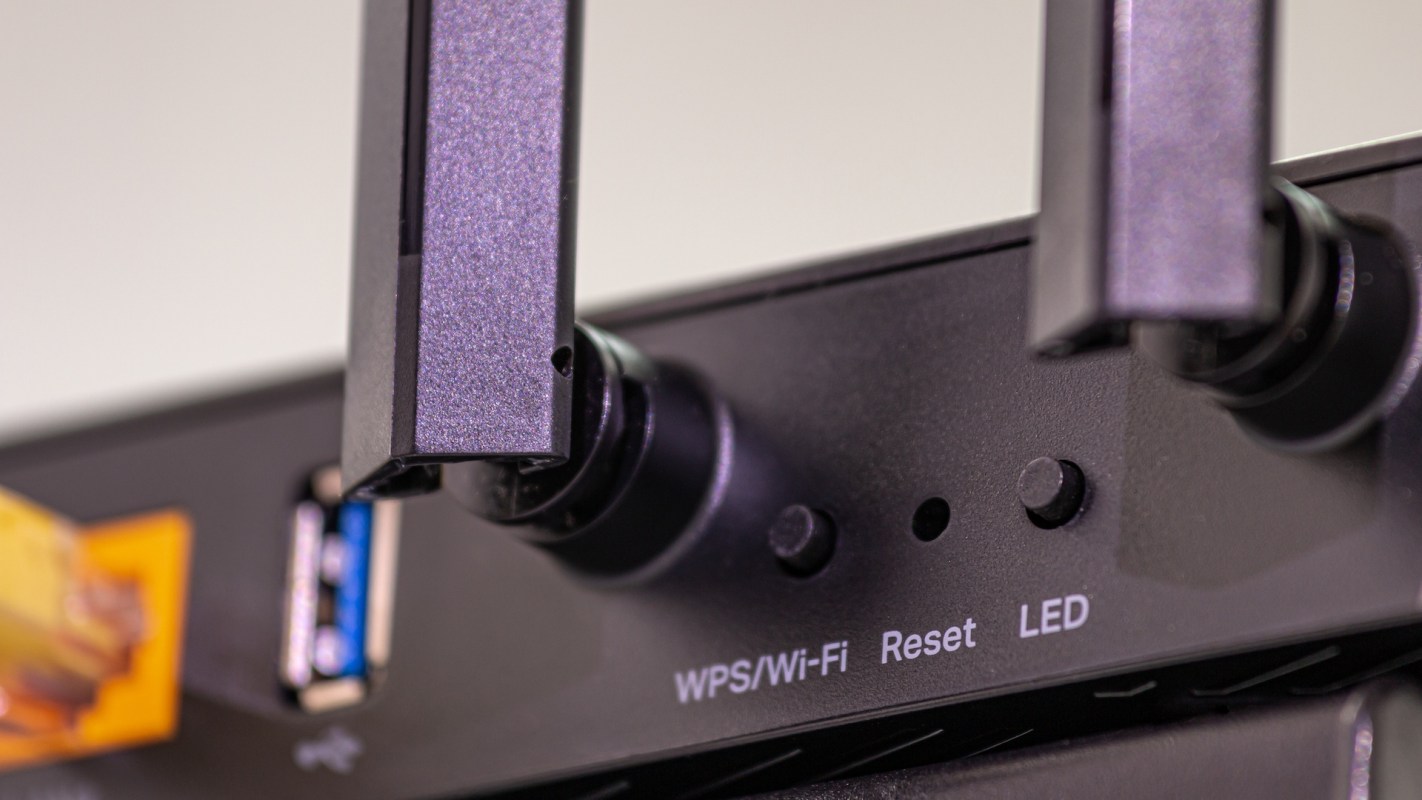
For one disabled resident living alone in a U.K. village, a power outage could mean losing the ability to call for help.
They reached out to a preppers group to learn how to keep critical lines of communication open during a storm or other disaster — something many in vulnerable communities must consider.
Here's what to know
In a post on the UK Preppers subreddit, the resident asked how to keep Wi-Fi running during a blackout or find another way to stay connected. Their property did not have a landline when they moved in, and they didn't want to install one.
"I am disabled and live alone and am reliant on Wi-Fi," the original poster wrote.
The resident is already registered as a vulnerable customer. But despite being on that list at a previous home, they waited roughly 24 hours after losing power for assistance.
The gap in care reflects the broader issue of some governments failing to integrate the needs of disabled people into emergency response and climate adaptation plans.
TCD Picks » Quince Spotlight
💡These best-sellers from Quince deliver affordable, sustainable luxury for all




What can be done?
To keep home equipment running, commenters suggested an uninterruptible power supply, or UPS.
One estimated that a router-specific unit could provide roughly six hours of backup power, while another proposed a satellite alternative along with a battery or generator for power supply.
Other suggestions included amateur radio, Meshtastic, and PMR446 radios for communicating with a nearby support group. But one amateur-radio recommendation warned that the approach requires knowledge and practice, not simply owning the equipment.
Another proposed safeguard was arranging for neighbors to check in during an outage, without buying equipment.
"Do you have neighbours? Don't prep as an island," one commenter wrote.
Where can I learn more?
These stories cover outage planning, backup equipment, and the costs of keeping essentials running:
• A generator owner's first outage exposed Wi-Fi and safety gaps despite years of practice.
• In the U.K., a new parent began preparing after receiving a power cut alert.
• A U.K. homeowner bought solar and a battery, then learned blackout backup costs extra.
• A U.K. home worker considering a power station learned that backup outweighed potential savings.
• In Ireland, an off-grid homesteader said compact backup power kept freezers and internet running.

Get TCD's free newsletters for easy tips, smart advice, and a chance to earn $5,000 toward home upgrades. To see more stories like this one, change your Google preferences here.






