


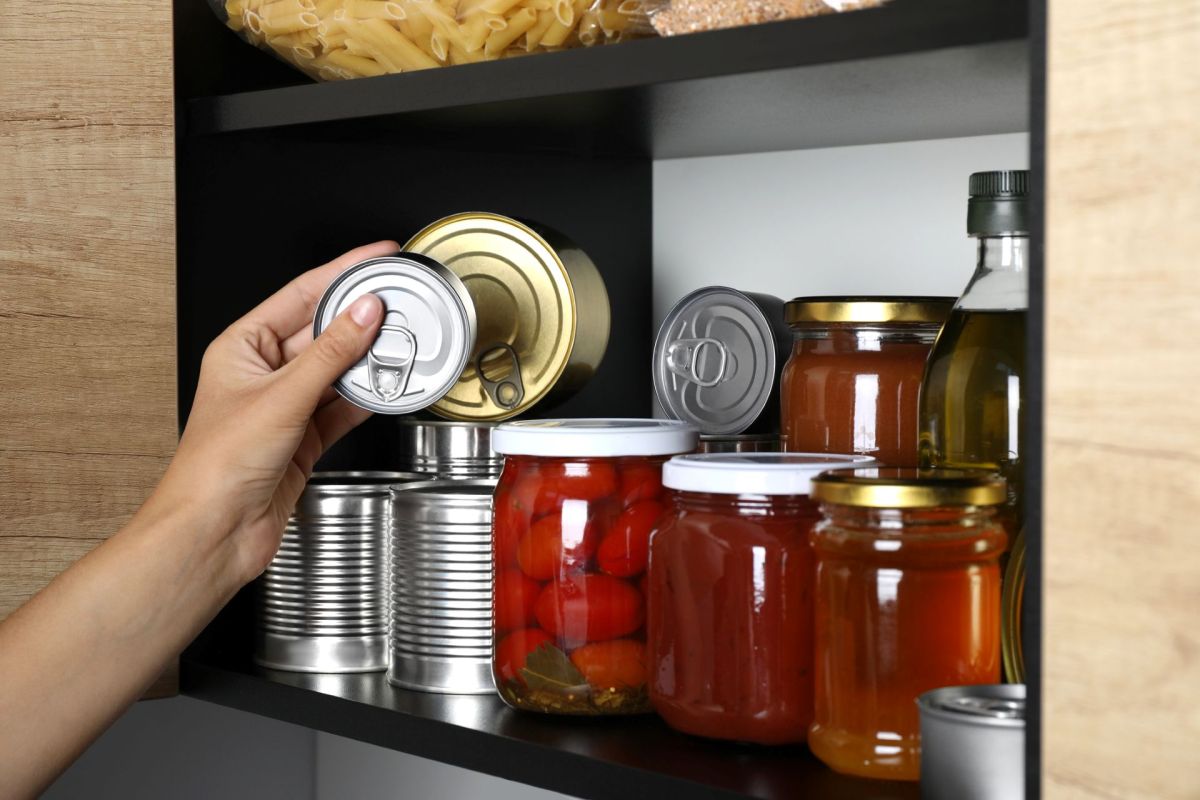
Buying groceries on sale can help households save long after leaving the store. For one Redditor, that meant eating food purchased before prices rose by 25% or more.
Here's what to know
The discussion began in Reddit's r/TwoXPreppers community, where one user compared emergency supplies to conventional insurance. The poster cited food and heat during a power outage as needs an insurance policy cannot meet directly, even though it offers financial protection.
"To me preps are just a different type of insurance. Folks say, 'But what if it goes bad?' I buy what I eat and rotate but on occasion I need to pitch something. Nothing cost wise compared to insurance premiums. How do you all view it?" they wrote.
The comparison reflected their personal experience rather than a documented cost analysis. In that commenter's view, the savings helped offset the cost of emergency supplies — including a water filter and gas canisters. Their household had followed this approach for decades.
More background
For several participants, a stocked pantry mattered less in a major disaster than during an unexpected loss of income. With pantry staples and a garden, one commenter spent almost nothing for months after their employer shut down.
Money on hand offered no solution for another participant who couldn't get their car out to reach a store. Snow and ice storms had left them without electricity for two weeks on two separate occasions.
TCD Picks » Quince Spotlight
💡These best-sellers from Quince deliver affordable, sustainable luxury for all




Others pointed to smaller disruptions. One user recalled being abroad when a preferred seasoning blend was discontinued, leaving them unable to replace it. For them, stored supplies offered a way to ease into periods of reduced availability.
What can be done?
One commenter cited a possible layoff as a reason for pairing an emergency fund with stores of food and household items. Their aim was protection against economic hardship.
Another participant cited leaving supplies available for people unable to build substantial reserves as part of their case for preparing early. They argued that shoppers who could afford it should buy ahead of time rather than join the rush before a hurricane.
For another participant, the benefits of a stocked pantry were clear in the days before payday, rather than during a storm or shortage.
Responding to a comment about avoiding a shopping trip, they wrote: "Or when I'm struggling at the end of the pay period. My rotating dry goods keep me fed."
Where can I learn more?
Building a food reserve means figuring out what to buy and when to stock up. These stories explore deep pantries, grocery price tracking, and emergency food supplies.
• A prepper worried about rising food prices asked whether 80 cans were enough.
• A U.K. prepper's annual $270 food purchase created a month-long buffer for four people.
• A Utah shopper tracked grocery prices and suggested waiting before stocking up could help.
• An off-grid family built its own pantry store and asked what supplies belonged inside.
• A prepper added an $11 chili case weekly, favoring canned food over emergency MREs.

Get TCD's free newsletters for easy tips, smart advice, and a chance to earn $5,000 toward home upgrades. To see more stories like this one, change your Google preferences here.







