


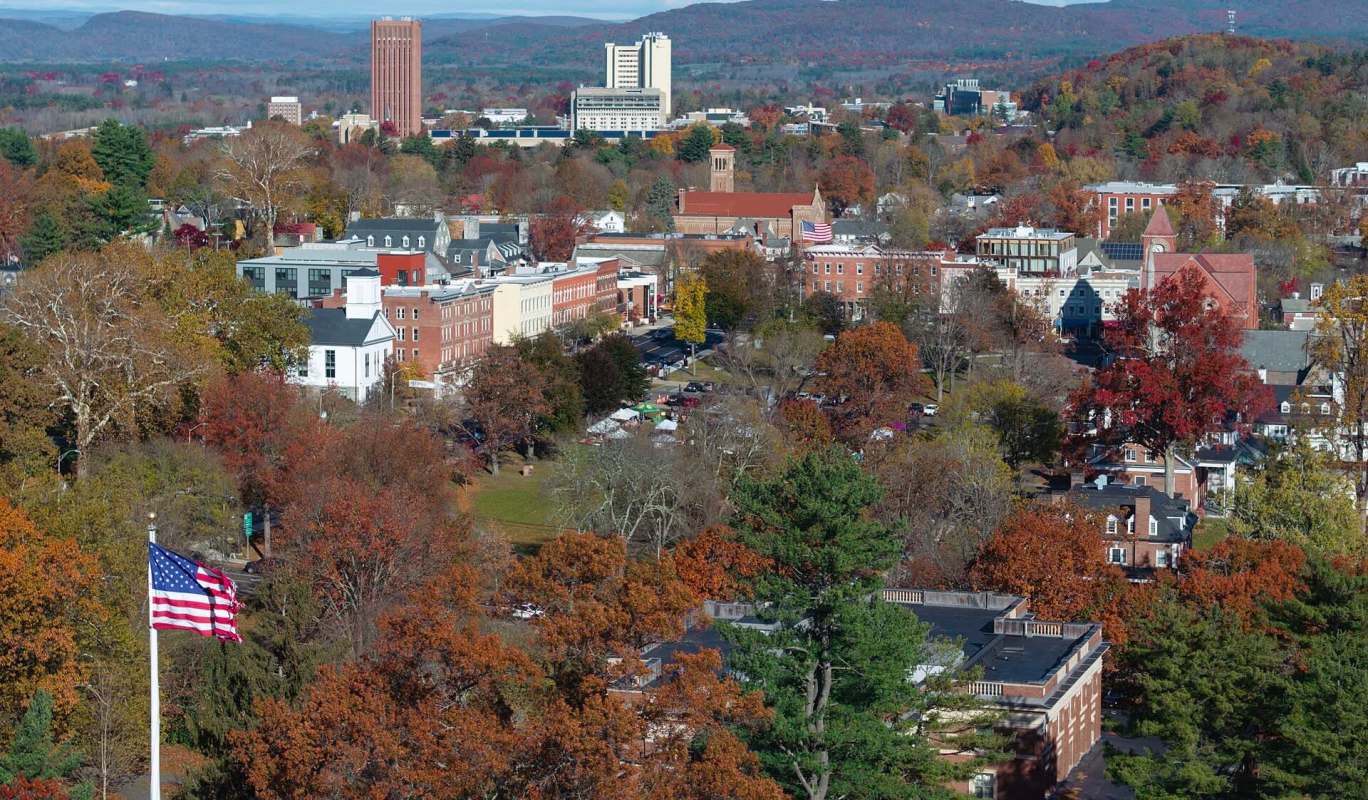
Homeowners in Amherst, Massachusetts, could soon face a single-family home tax bill over $10,000. This is a $501 increase from the current average bill, marking the second time in the state's 38 years of reporting that a property tax exceeded $500.
Here's what to know
For fiscal 2027, each $1,000 in assessed property value would be taxed at an estimated $17.10, according to figures Principal Assessor Kim Mew presented to the Town Council. She gave the estimate during the council's October 19 tax classification hearing, the Amherst Indy reported.
The projected annual bill for an average single-family home is $10,457.92, using Mew's average assessment of $611,574.
An estimated $12,100.85 would be due on a commercial property valued at the $707,652 average.
Residential and commercial properties will continue to share one tax rate after the council voted unanimously, 13-0, to retain that approach.
The Amherst Indy reported that June's estimated bills covered the first half of fiscal 2027. Mew expected Massachusetts' Department of Revenue to certify the new rate in November; she cautioned that the figures are not yet final.
TCD Picks » Quince Spotlight
💡These best-sellers from Quince deliver affordable, sustainable luxury for all




At $10,915, Longmeadow's average single-family tax bill is already above $10,000. The projected increase would make Amherst and Longmeadow the only Western Massachusetts towns above that threshold.
More background
The higher bills come as Amherst finances the new Amethyst Brook Elementary School.
According to the Amherst Indy, rising home assessments and the school's debt exclusion are the two main drivers of the increase. The average assessed value of a single-family home rose from $588,826 to $611,574.
The town's property tax explainer noted that the school debt exclusion, approved in 2023, added 50 cents per $1,000 of assessed value in fiscal 2026. That amounted to $294.41 for the average home.
The town's Capital Improvement Program projects that debt payments on the school will rise each year.
A $2 million override contributed to a $553 increase in Amherst's average tax bill in 2005. The projected increase would be the only other rise exceeding $500 in the Massachusetts Division of Local Services' published data spanning 38 years, according to the Amherst Indy.
What can be done?
The Amherst Indy reported that the second quarterly installment for fiscal 2027 must be paid by November 2, with an extra day allowed because November 1 falls on a Sunday. That payment comes before the February 1 installment, which reflects the new rate.
Under Massachusetts General Laws, overdue amounts carry 14% annual interest with no grace period.
Voters can approve certain tax increases through Proposition 2½. The statute generally caps a municipality's yearly property tax levy increase at 2.5%, with additional revenue permitted for new growth.
Overrides or debt exclusions that allow increases beyond the ordinary levy limit require majority voter approval. According to the town's property tax explainer, Amherst voters followed that process when approving the school debt exclusion.
The Town Council's November 2 financial indicators presentation is scheduled for 6:30 p.m. The presentation will bring together school, library, finance, and budget representatives to discuss Amherst's long-term finances and fiscal 2028 budget projections.
Where can I learn more?
Rising property taxes are also squeezing homeowners elsewhere in Massachusetts and in New Jersey.
• In Adams, Massachusetts, homeowners are set to pay about $130 more in property taxes.
• Cambridge, Massachusetts, proposes a 21% commercial tax hike and a 4% increase for homes.
• Boston homeowners questioning their bills can press city officials about their property tax assessments.
• Springfield, Massachusetts, opens a $1 million property-tax relief fund for seniors and disabled homeowners.
• Jersey City, New Jersey, passes a 15.15% property tax hike, warning of widespread financial pain.

Get TCD's free newsletters for easy tips, smart advice, and a chance to earn $5,000 toward home upgrades. To see more stories like this one, change your Google preferences here.







