


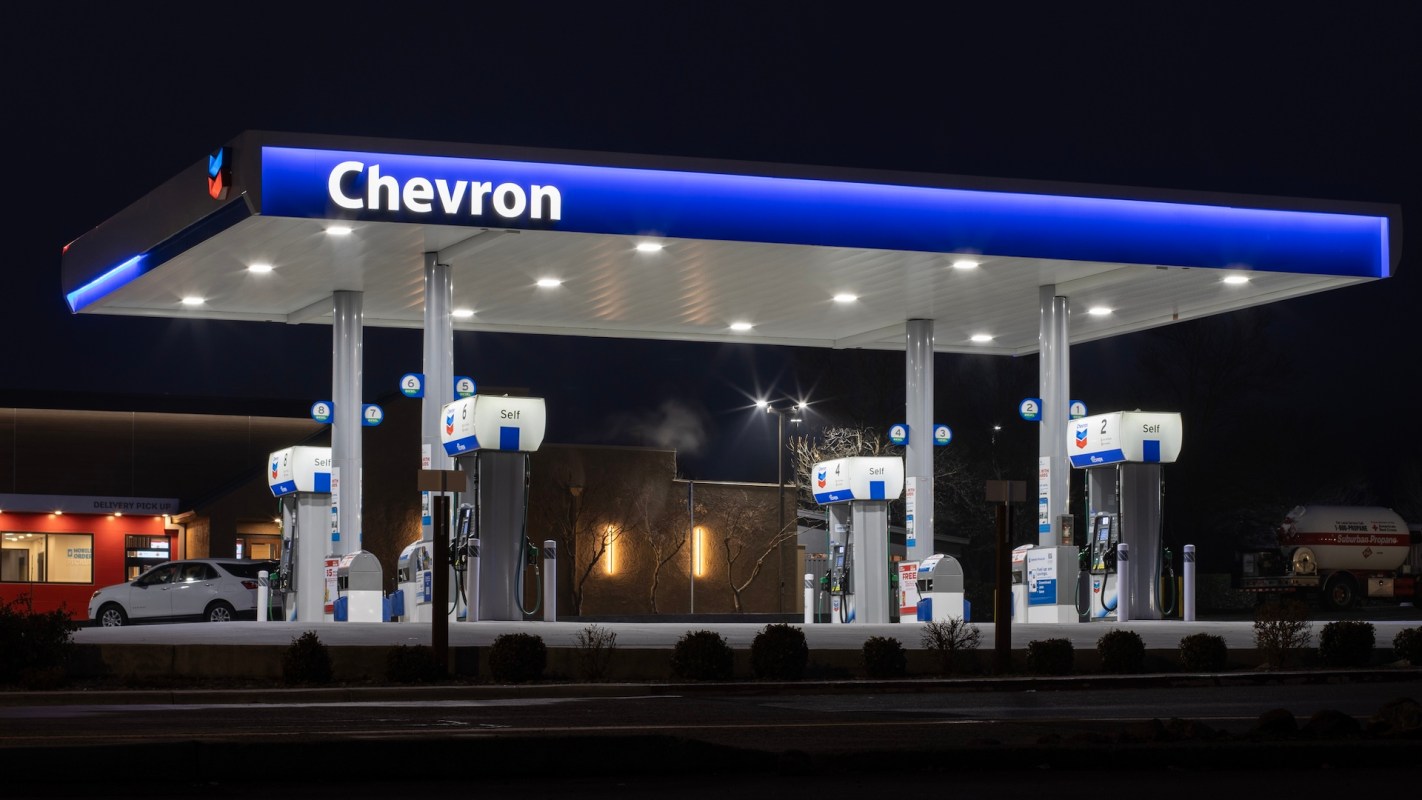
A pollution-control project at Chevron's refinery in Richmond, California, faced years of delays after a legal challenge, even as the Bay Area Air District estimates the facility's fine-particle emissions contribute to more than 11 early deaths annually in nearby neighborhoods.
Here's what to know
In July 2021, the Bay Area Air District approved Rule 6-5, requiring Chevron Richmond and Martinez Refining Company to install "wet gas scrubbers" to meet particulate pollution limits, Richmondside reported.
Babcock & Wilcox Enterprises, the technology's licensor, says the equipment can be added to existing refining operations. Its pollution-capturing mixture combines water with lye (sodium hydroxide) to treat refinery exhaust before it enters the air. The technology was developed in the 1970s.
Both companies sued over the rule. Chevron characterized it as "another example of how California policies have led to a hostile business environment for manufacturers."
Richmond's city council was scheduled to hear public comments on the project's environmental impacts on Nov. 5. The project had been held up by the lengthy environmental-review process and the litigation; however, both companies eventually withdrew their lawsuits.
More background
According to Richmondside, the air district ranks Chevron's refinery as the largest individual source of PM2.5 in Richmond, tiny particles that can lodge in the lungs and other organs.
TCD Picks » Quince Spotlight
💡These best-sellers from Quince deliver affordable, sustainable luxury for all




The district also reported that Point Richmond, south of the refinery, faces emissions at 3.5 times the threshold that triggers corrective measures. That pollution presents an increased cancer risk for people living, working, and attending school there.
Sally Tobin, a Richmond resident and retired Stanford professor, asked about the equipment's water consumption, noise, and lighting. The city said the scrubber would require a daily potable-water supply of 370,000 gallons.
Communities for a Better Environment also raised concerns about construction in contaminated soil and the scrubber's electricity demand, which would amount to nearly 16,000 megawatt-hours annually.
What's being done?
Chevron and Martinez Refining Company reached a combined $138 million settlement with the air district in February 2024. The agreement created the Community Air Quality Fund for the Richmond area, according to Richmondside, with residents and the city considering projects including parks, safer streets, and cleaner air.
To address the scrubber's water needs, the city said approval of the proposed Isomax Cooling Water Tower would allow Chevron to substitute recycled water for potable supplies.
The city said additional electricity would come from PG&E rather than increased output from Chevron's existing cogeneration plant.
The city also said excavated soil would be presumed contaminated until lab results showed otherwise. Liquid waste would pass through the refinery's wastewater treatment system before discharge into San Pablo Bay, while solids would be landfilled or sent to a cement kiln for recycling.
Construction could begin at 6 a.m., though the city said the noisiest work would occur only during regular work hours.
Staff attorney Kerry Guerin and program director Shiva Mishek said in their public comments: "Despite our position that this long overdue and life-saving technology should be installed, the environmental impacts of the construction and operation of the technology must be properly understood and adequately mitigated. A good thing cannot be allowed to be done poorly."
Where can I learn more?
Disputes over industrial pollution and enforcement extend well beyond Richmond. These stories cover pollution penalties, refinery emissions, residents seeking answers, and restrictions on community air-monitoring data.
• Michigan's DTE asked a court to erase a $100 million fine for sulfur pollution.
• In El Paso, residents sought answers from Marathon after 15 tons of refinery pollutants blanketed their neighborhood.
• Metro Vancouver seeks $1.2 million from Parkland over refinery haze that sickened residents.
• Near Britain's Mersey estuary, a major refinery breached chemical limits hundreds of times.
• Louisiana, Ohio, and Kentucky passed industry-backed bills blocking community air data in enforcement.

Get TCD's free newsletters for easy tips, smart advice, and a chance to earn $5,000 toward home upgrades. To see more stories like this one, change your Google preferences here.






