


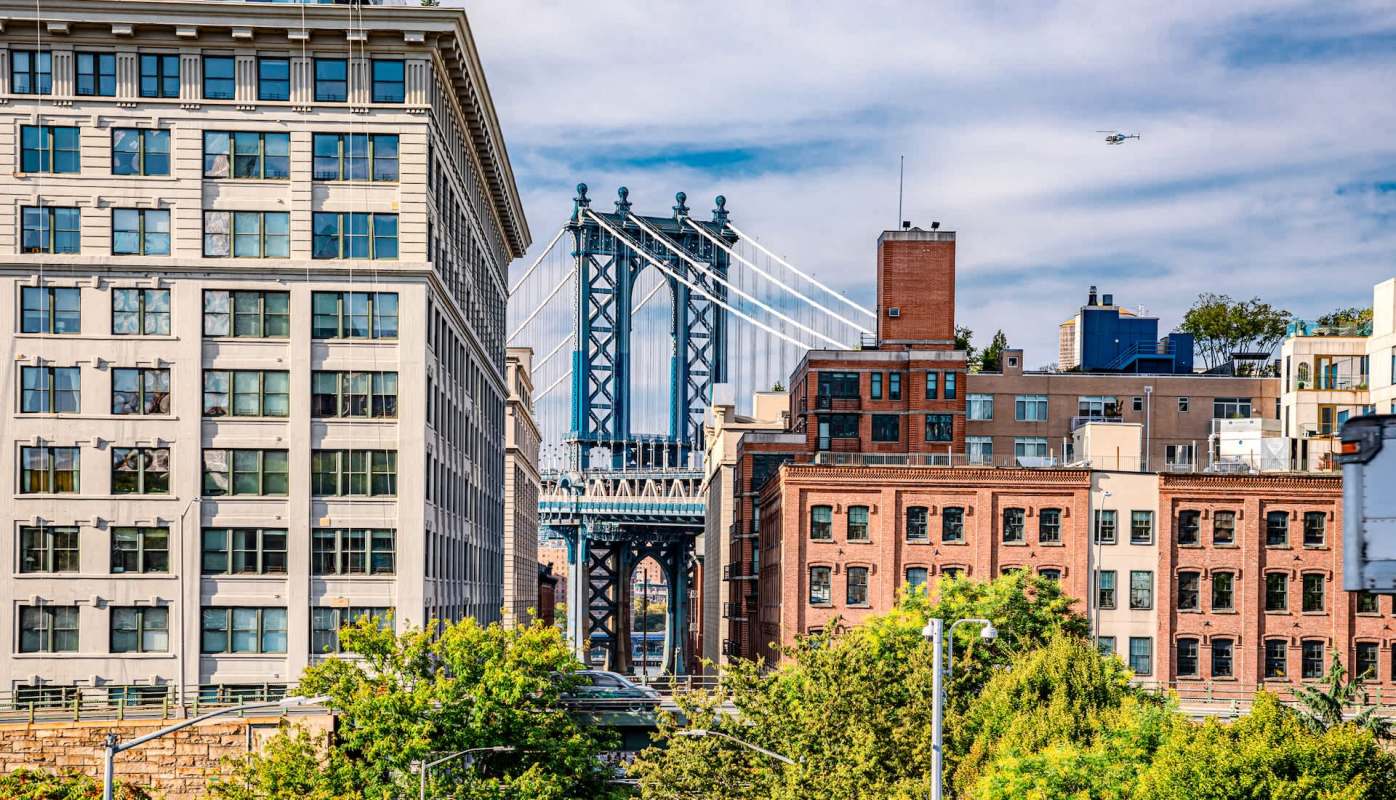
Two months of free rent may offer some relief in New York City's expensive and competitive housing market. But a class-action lawsuit alleges that tenants at one Brooklyn building faced a potential 20% rent increase once those introductory deals ended.
Here's what to know
Allegedly unlawful rent increases at 300 Ashland Place in Fort Greene were the subject of the tenants' complaint against developer Two Trees. The law firm Newman Ferrara brought the case in collaboration with the nonprofit Housing Rights Initiative, Gothamist reported.
At the center of the dispute was a property tax break known as 421a, which the building owner has received. Under that tax provision, building owners that keep apartments rent-stabilized and observe limits on rent increases become eligible for tax benefits that can total in the millions of dollars.
The lawsuit says that the tenants' initial discounted "preferential rent" was not the figure Two Trees used to calculate renewal increases. Instead, the company allegedly based those increases on apartments' full "legal rent."
One apartment, for example, was advertised at $3,990 with two months free, bringing the effective monthly price to $3,325. However, according to the complaint, when renewal time came, Two Trees based its increase on the higher figure, resulting in a 20% increase, which would be impermissible under 421a.
Two Trees managing director David Lombino disputed the allegations, calling the lawsuit "entirely without merit," Gothamist reported.
TCD Picks » Quince Spotlight
💡These best-sellers from Quince deliver affordable, sustainable luxury for all




More background
The lawsuit covered seven apartments, alleging that Two Trees used the practice to collect over $30 million in additional rent over five years, according to Gothamist. Aaron Carr, the executive director of Housing Rights Initiative, noted that 3.25% was the largest increase approved by the city's Rent Guidelines Board since 2021.
The 379-unit building opened in 2016 and was just one of many properties owned by Two Trees. The company said it had a $4 billion portfolio of over 4,000 apartments under its ownership and management, per Gothamist.
The rental giant has reportedly received special considerations from the government in the past. State lawmakers extended 421a eligibility specifically for the developer's 1,200-unit River Ring waterfront development in Williamsburg, despite construction extending beyond a 2031 deadline. That was the only property to receive such an extension, according to Gothamist.
The 421a exemption can provide property tax reductions worth millions of dollars over a minimum of 25 years. The program, however, has faced scrutiny over whether it helped create enough affordable housing to justify the cost to taxpayers. In 2022, lawmakers allowed 421a to expire, instead approving a replacement measure that required more affordable housing and higher wages for workers.
Brooklyn councilmember Crystal Hudson said she helped alert Ashland Place tenants to the lawsuit and accompanying investigation through mailers. She also criticized the state Division of Homes and Community Renewal for leaving enforcement to a nonprofit and private attorneys.
"Everyone has to be held to the same standard," Hudson said, per Gothamist. "It's intentionally confusing to potential tenants and they often think it's a great deal to take up front."
Where can I learn more?
The Brooklyn lawsuit has been just one of several New York disputes over rental costs and tenant protections.
• New York retirees said their 15% rent cut never arrived despite a state ruling.
• A New York judge kept a rent freeze in place while ordering officials to surrender phones.
• A New York landlord agreed to restore rent stabilization across its Crown Heights units.
• A New York lawsuit alleged Blackstone overcharged rent-stabilized tenants by $30 million.
• A New York renter sued over a garbage smell in a $5,850 apartment.

Get TCD's free newsletters for easy tips, smart advice, and a chance to earn $5,000 toward home upgrades. To see more stories like this one, change your Google preferences here.






