


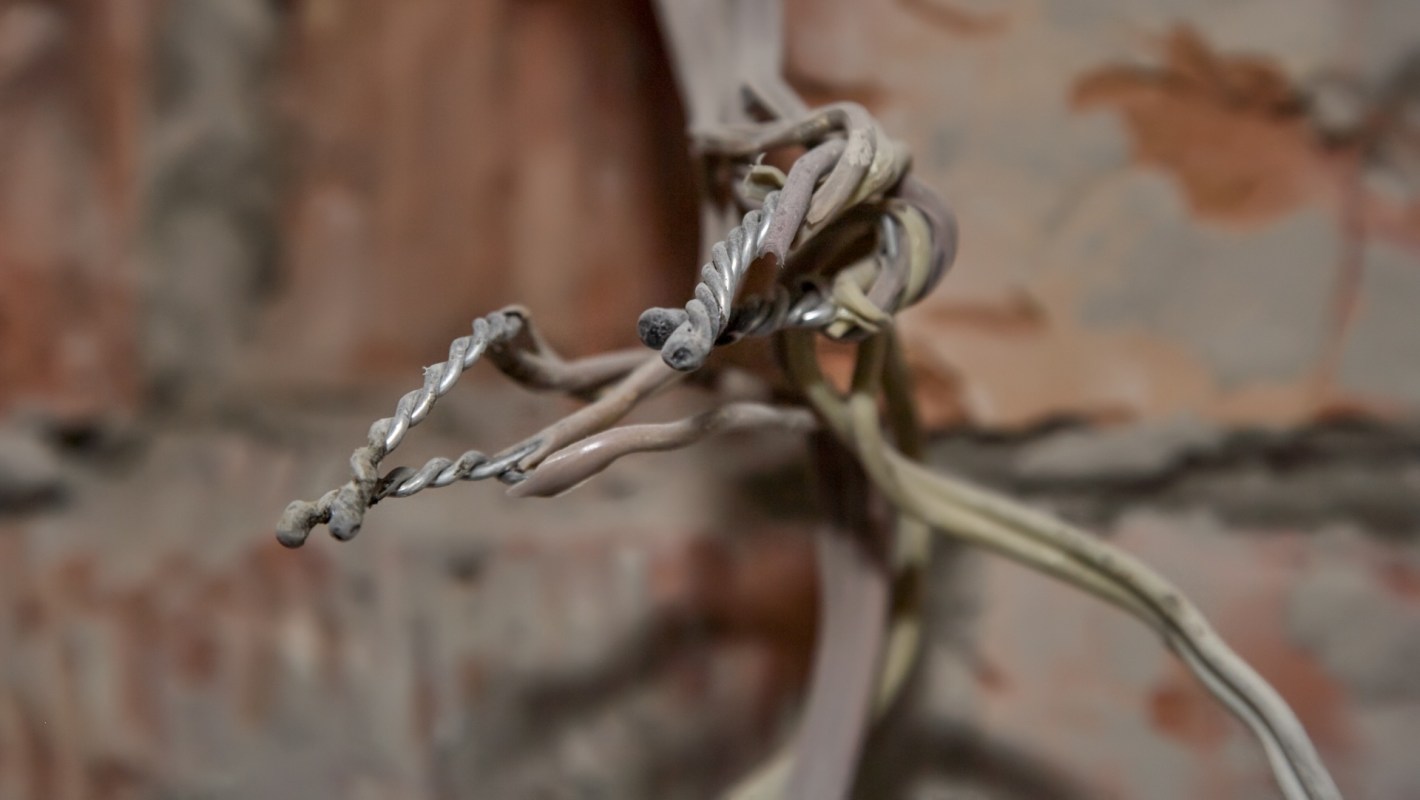
Aluminum wiring throughout a 1960s house complicated a first-time homeowner's plans for replacement outlets and new dimmers.
Electricians responding to the homeowner's questions warned that the upgrades could pose safety concerns.
Here's what to know
Their planned projects included adding outlets, replacing switches, and upgrading light fixtures. In a Reddit post, the homeowner explained that their trade experience gave them confidence with tools, though electrical projects were still new territory.
"Not looking to rewire the entire house," the original poster wrote. "Just trying to figure out the safest and most practical way to make upgrades myself. Any advice from electricians who've worked with aluminum wiring would be appreciated!"
Electrical-box capacity was another question. The homeowner asked whether approved aluminum-to-copper connectors, such as AlumiConn, could be used with short copper wires, or whether devices rated CO/ALR for aluminum connections would be appropriate. They also wondered whether larger boxes would be needed for the extra connections.
Several commenters favored approved connectors or replacement wiring, though they differed on specific products and box sizes.
TCD Picks » Quince Spotlight
💡These best-sellers from Quince deliver affordable, sustainable luxury for all




More background
A switch replacement could become a bigger project if it exposed burned or otherwise compromised wire that needed replacing, cautioned one commenter with aluminum-wiring retrofit experience. They also warned that older wire can become brittle enough to snap when handled.
The modern appliance and electrical upgrades the homeowner intended to use also led that commenter to support at least a partial rewiring, saying, "If your expectations are to have all sorts of modern bells and whistles, with dimmers and smart switches and timers so on and so forth, then then you need to do a full rewire."
Their concerns extended to bedrooms using window air conditioners or space heaters, as well as kitchens, laundry areas, bathrooms, garages, and outdoor outlets.
"The biggest issue is that you bought an old house, which means that it does not have enough circuits for 21st century living, with the additional Factor that it has aluminum wire, so it's double whammy," they said.
What can be done?
Ideally, a qualified electrician should assess the existing wiring and proposed upgrades before any work begins.
Commenters discussed several possible approaches, including AlumiConn-style connectors with copper pigtails, new circuits for additional outlets, and gradual circuit-by-circuit rewiring.
A possible reduction in homeowners insurance costs was another reason offered for using a licensed electrician and obtaining permits. The commenter who raised that point said they had completed several similar jobs.
A self-identified journeyman electrician emphasized the importance of the connections themselves.
"I emphasize the tight connections, don't deform the wire though," they wrote, adding that "the AL will heat up and cool with use cycles and actually loosen up on the terminals of the device they are on."
Where can I learn more?
Even an outlet or fixture replacement can uncover wiring hazards and raise questions about repair costs and insurance.
• After replacing a two-prong outlet with a GFCI, a homeowner experienced shocks from speakers.
• A new homeowner discovered a generator hookup missing a safety interlock after spotting an unusual breaker label.
• Electricians advised a new-home buyer questioning $360 outlet upgrades.

Get TCD's free newsletters for easy tips, smart advice, and a chance to earn $5,000 toward home upgrades. To see more stories like this one, change your Google preferences here.






