


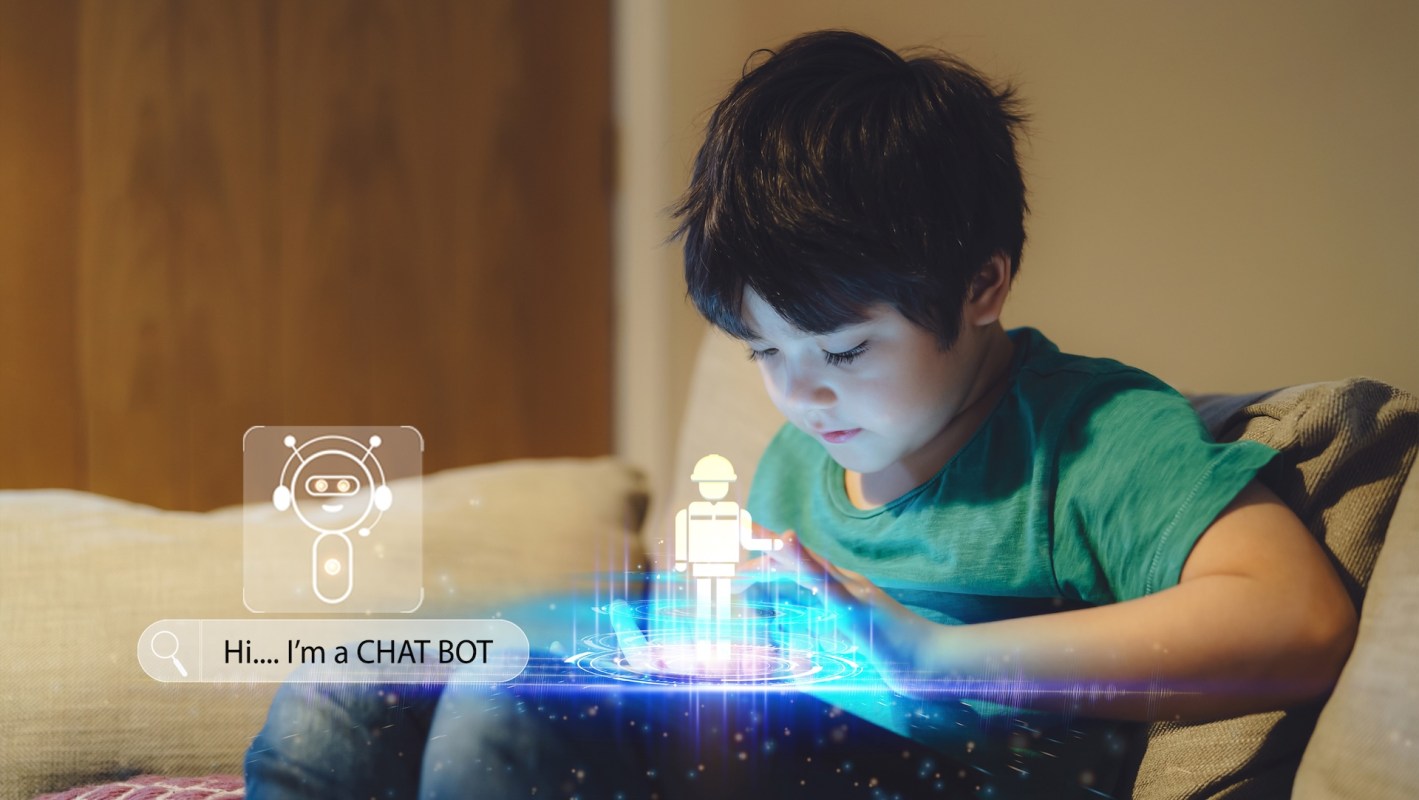
New York has passed a law barring AI chatbots from posing as children's friends or romantic partners, with companies facing civil fines of up to $25,000 for each violation.
Here's what to know
The age-verification requirements and restrictions in the measure signed by Governor Kathy Hochul aim to protect children from harmful chatbot interactions.
The law requires AI companies to conduct age checks and applies child-safety restrictions to anyone under 18, according to Engadget. Users remain covered by those protections until their adult status has been confirmed.
Companies must erase information collected to establish a user's age once verification is complete. Companies must offer an age-check method that does not depend entirely on government-issued identification.
According to a press release cited by Engadget, chatbots cannot claim a personal or romantic relationship with a child, or a relationship involving a professional role or position of authority. For protected users, the ban also covers chatbots pretending "to be a real person, to be alive or to have human emotions."
More background
According to Engadget, under the law, chatbots cannot use a child's private personal or health information from earlier conversations. Unprompted emotional questions are also forbidden.
TCD Picks » Quince Spotlight
💡These best-sellers from Quince deliver affordable, sustainable luxury for all




Sexually explicit material and child sexual abuse material are prohibited. According to Engadget, chatbots also cannot encourage or assist alcohol or drug use, disordered eating, suicide, or self-harm.
Encouraging children to avoid help from parents, other trusted adults, or professionals is forbidden, as is urging them to keep secrets or withdraw from others.
What's being done?
The law takes effect six months after signing. New York's attorney general will receive reports of suspected violations from members of the public through a website.
Companies that violate the requirements may face consequences beyond civil fines of up to $25,000 for each violation, including restitution, damages, and additional relief, according to Engadget.
Models developed with illegally obtained data may have to be erased alongside the data itself.
At a press conference, Hochul emphasized the law's role in a broader effort to protect children.
"Under this new law sponsored by Senator [Kristen] Gonzalez and Assemblymember [Alex] Bores, no longer will minors have access to chatbots that pretend to be their friends and boyfriends and girlfriends," Hochul said.
"No longer will chatbots be allowed to keep sensitive information about a minor's emotional and physical health. No longer will chatbots discourage kids from seeking help from licensed professionals."
"And I'm not sure why we have to pass a law against something so obvious, but no longer will minors have access to chatbots that may in any way encourage thoughts of suicide. Now, this law builds on our groundbreaking Safe for Kids Act that sent a message loud and clear to technology companies: We will not allow you to monetize our children's mental health."
Where can I learn more?
New York's chatbot law is one of several state and local efforts to limit AI use and protect children.
• California enacted 13 child safety laws targeting addictive social media and artificial intelligence.
• Florida's attorney general asked a court to block OpenAI's model training and minors' ChatGPT access.
• Florida's attorney general sought criminal penalties for chatbot firms following an FSU suspect's ChatGPT questions.

Get TCD's free newsletters for easy tips, smart advice, and a chance to earn $5,000 toward home upgrades. To see more stories like this one, change your Google preferences here.






