


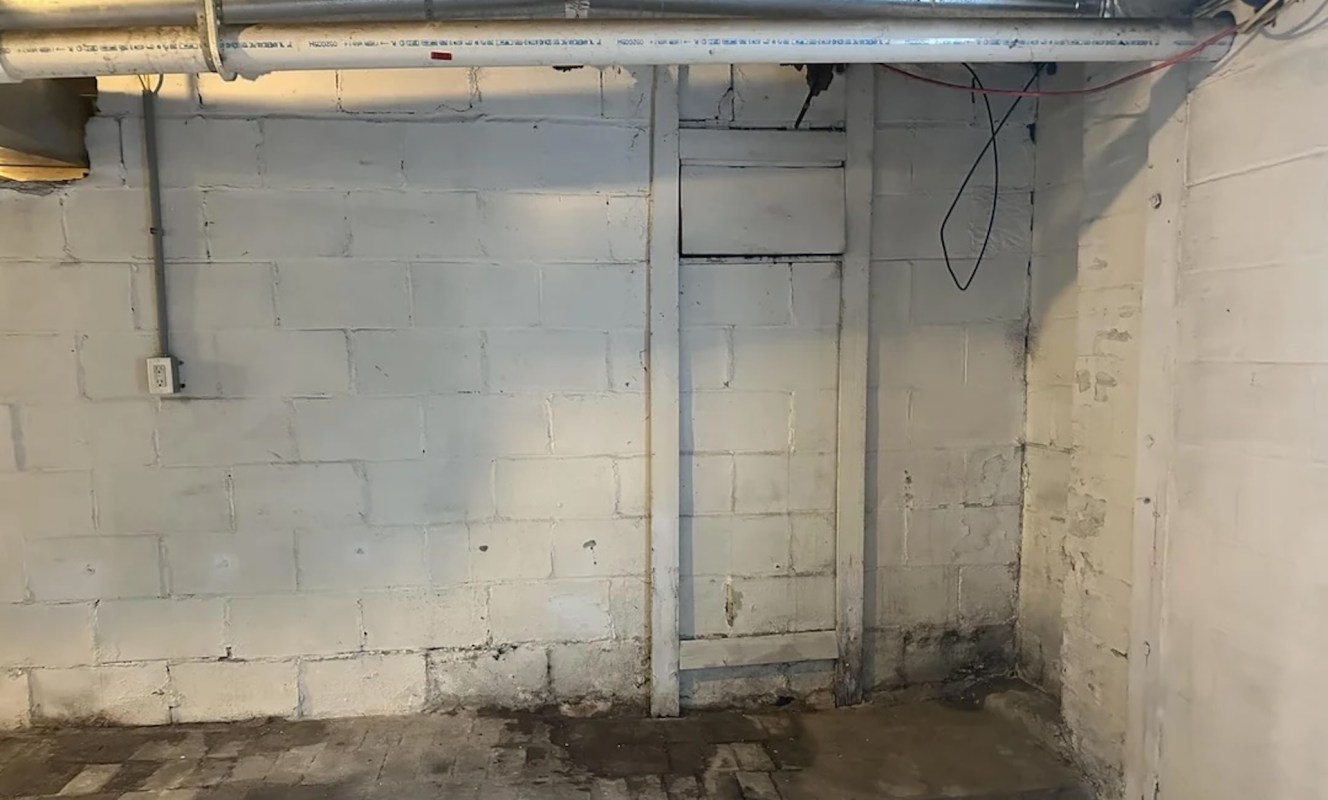
A damp basement in a 1930s home left prospective buyers questioning whether the property was worth the risk of costly foundation repairs.
Here's what to know
The buyer's Reddit post highlighted substantial dampness and what looked like sealing on a foundation wall. A brick column running through the house was also crumbling.
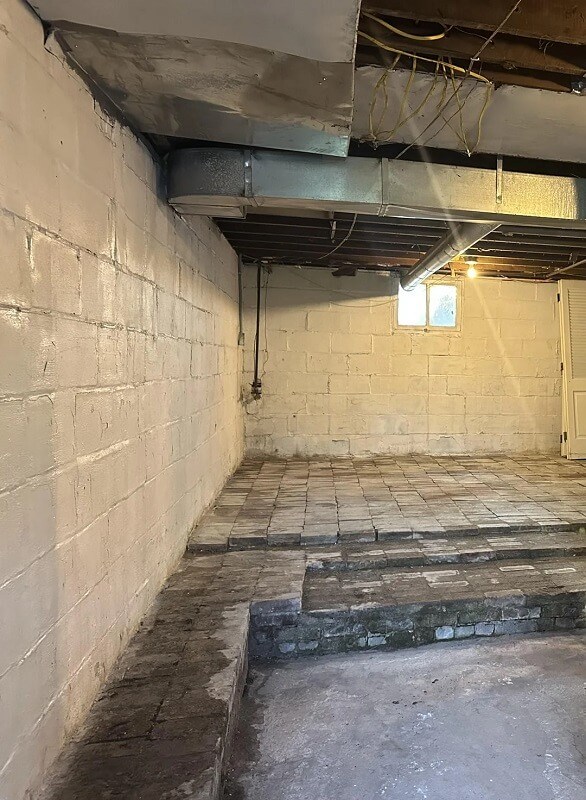
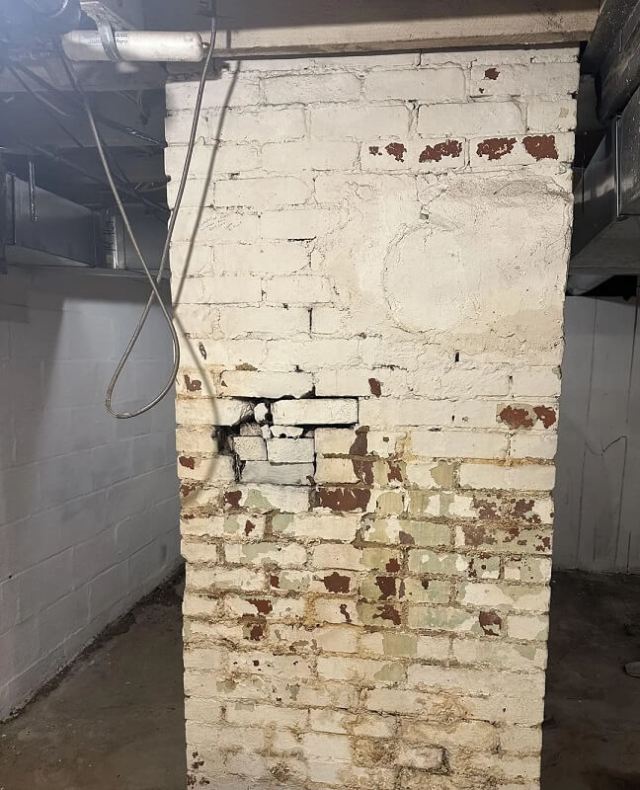
For the buyer, the property's appeal had to be weighed against the prospect of expensive repairs.
"I'd hate to buy it and then have major repair costs for the foundation," the original poster wrote.
The conditions did not seem unusual for a 1930s house, according to an outside opinion the buyer had already obtained.
Even heavy rain had not left the buyer's current basement wet, they explained. That space was finished and livable, with a sump pump.
TCD Picks » Quince Spotlight
💡These best-sellers from Quince deliver affordable, sustainable luxury for all




Several commenters found the older basement's appearance unsurprising. Still, some urged the buyer to have it examined more closely before committing to a purchase.
More background
Evidence of earlier repair efforts and concrete masonry blocks jutting out caught the attention of a self-identified architect. Those observations, however, were based on photographs rather than an on-site structural evaluation.
The architect's concerns extended to the strain that unresolved foundation and moisture problems could put on occupants, not just the expense of repairs. Continued water entry, they warned, could also lead to mold and related health risks.
Another commenter anticipated potentially expensive work but did not suggest that a collapse appeared imminent.
"It's an eh," they wrote. "It's not perfect and you will have problems with it. Problems that aren't cheaply fixed. But it doesn't look like 'fix this problem right away or this wall collapses' type of of problem."
What can be done?
One commenter recommended an inspector's assessment during the home inspection, along with finding the source of the water.
Another suggested a dehumidifier would address moisture, while another said to check whether the rim joists were insulated. Neither recommendation established whether the foundation needed repairs.
Repointing the masonry blocks was one part of the commenting architect's proposed response to more extensive water problems. The process also involved addressing the water source, excavating along the foundation perimeter to footing depth, and installing drainage tile, sealing, drainage board, and stone backfill. The work could be costly and labor-intensive, depending on the circumstances.
"But a failing foundation and water intrusion (and eventual mold issues that come with it) are nothing to screw with," the architect warned. "They can cause mold/health issues for occupants, and stress in your marriage. Buying a house (new or old — there are some great houses with stone foundations out there) is a big decision — make yours with open eyes."
Where can I learn more?
Other homeowners have faced similar questions about basement moisture, past repairs, and safety.
• A homeowner blamed a waterproofing product for basement dampness, but the fix may start outside.
• Builders warned that a contractor's basement framing for Rockwool alone posed a mold risk.
• In Manitoba, a homeowner uncovered bowed basement walls after removing foam and questioned the house's safety.

Get TCD's free newsletters for easy tips, smart advice, and a chance to earn $5,000 toward home upgrades. To see more stories like this one, change your Google preferences here.






