


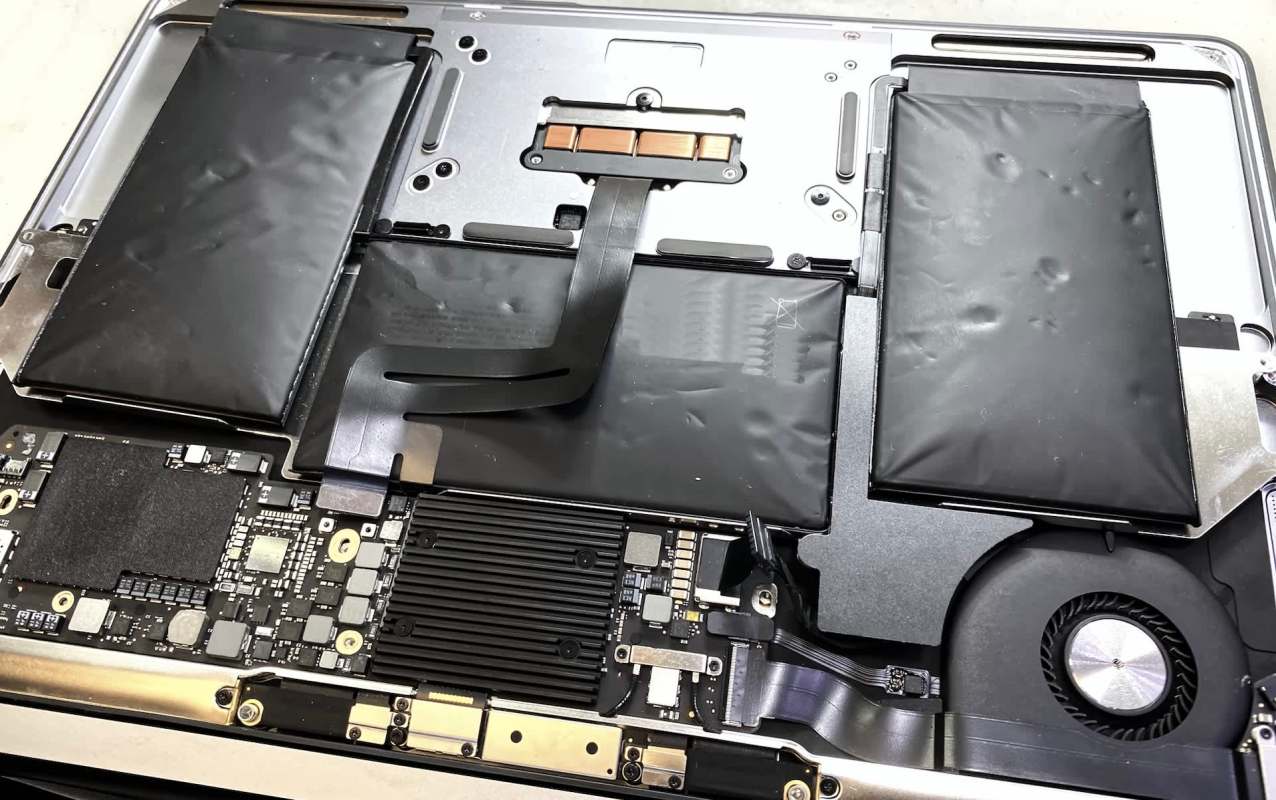
More than 1,000 discarded laptop cells have found an unexpected second use: storing solar energy for a home.
A DIY enthusiast known online as Glubux built the system by recycling old laptop batteries into a home battery bank. Even the washing machine can run on electricity from the homemade battery bank, Glubux claims.
Here's what to know
Glubux began sharing updates about the project on the Second Life Storage forum in November 2016, starting with around 650 used laptop batteries, according to The Coolist.
Interesting Engineering reported that the system's storage capacity has grown from seven kilowatt-hours to 56 kilowatt-hours since then. Recycled cells became the building material for Glubux's homemade energy storage bank, or "powerwall."
Adding battery storage is one of the best ways to protect your home during outages, save money on energy, and gain more energy independence. For professionally installed alternatives to Glubux's DIY approach, EnergySage offers information about home battery storage options, including competitive installation estimates. EnergySage has teamed up with electrification brand Qmerit to help homeowners get the best price on home battery storage solutions.
More background
Glubux knows failure doesn't necessarily affect every cell in a discarded laptop battery pack. A pack headed for the recycling bin may have only a few failed cells, leaving others inside that are still useful.
According to The Coolist, Glubux tested the individual lithium-ion cells, discarded the weaker ones, and assembled the remaining cells into blocks of about 100 amp-hours.
He later installed another 24 panels, each rated at 440 watts. His original setup included rooftop panels providing 1.4 kilowatts and an old forklift battery rated at 24 volts.
Crushed by your bills? See instant solar savings from vetted installers in just a few clicks With energy prices through the roof, there's never been a better time to go solar — and EasyHome can help you find the best prices from the best installers in your area. EasyHome takes the guesswork and headaches out of energy upgrades by showing you estimated savings from a network of vetted local partners. To get started, just enter your ZIP and share a few details about your home — seeing your estimate is really that easy. |

A 24-volt battery system supplies a converter rated at three kilovolt-amperes. The batteries, charge controllers, and inverters are housed in a dedicated shed roughly 164 feet from his home.
Since the project kicked off, there have been "no reports of fire hazards or swollen battery issues." All the laptop battery cells are still in service, with no replacements needed.
What can be done?
Glubux's project isn't a beginner-friendly undertaking.
Solar equipment and a separate building were prerequisites for Glubux's setup, alongside extensive testing. Many households lack those resources. The Coolist warned that lithium-ion cells can overheat, swell, or catch fire if they're damaged, poorly matched, or improperly managed.
A battery recycling point, rather than an improvised home-storage system, is the safer destination for unwanted laptop batteries, according to The Coolist.
Glubux began the project with solar equipment already in place. As he explained on the forum in November 2016, "I already produce a part of the electricity that I need."
Homeowners interested in a professionally designed alternative can use battery storage without having to assemble discarded cells. Pila is another company that offers strong battery backup options. Pila's plug-and-play batteries are priced at a fraction of what a whole-home backup system would cost.
Where can I learn more?
• A DIY solar owner tested a 48V battery bank and sought feedback before permanent installation.
• An off-grid owner said a cheap LiFePO4 battery burned down his shed, leaving a 20-foot mark.
• Solar users discussing garage batteries beneath bedrooms say modern LFP packs rarely ignite.
• A homeowner with $50,000 was told DIY off-grid solar could provide 100 kWh for $30,000.
• A DIY solar builder questioned whether battery-bank voltages on subzero days could exceed EcoFlow's 60V limit.

Get TCD's free newsletters for easy tips, smart advice, and a chance to earn $5,000 toward home upgrades. To see more stories like this one, change your Google preferences here.






