


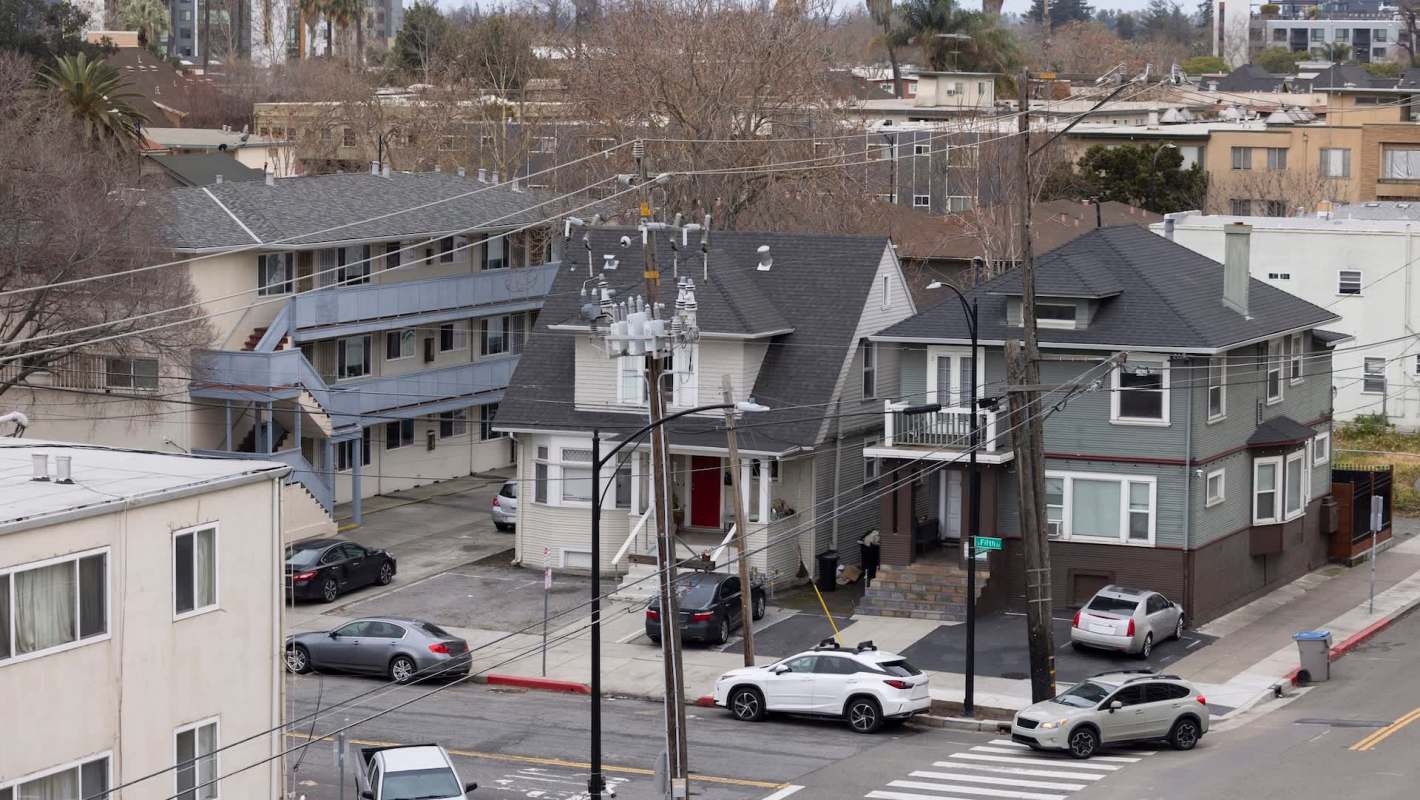
Two comparable homes just blocks apart in Santa Clara and San Jose could come with strikingly different electricity bills, depending on which utility serves them.
In a hypothetical comparison, local real estate agent Steve Mun (@Stevemungroup) put those monthly costs at $180 in Santa Clara versus $410 in San Jose.
Here's what to know
Most San Jose homes, meanwhile, receive electricity delivery through investor-owned PG&E. Mun explained in a YouTube video that Santa Clara operates its own municipal utility, Silicon Valley Power.
Mun's example involved two families living in similar 1,500-square-foot houses, each with central air conditioning and an electric vehicle charging nightly.
The $230 monthly difference would add up to $2,760 annually. The comparison was illustrative, rather than a documented account of two households' actual bills.
PG&E's responsibilities include maintaining a much larger service territory, with areas vulnerable to wildfires. Mun also linked Santa Clara's lower costs to the fact that its utility does not need to generate profits for investors.
TCD Picks » Quince Spotlight
💡These best-sellers from Quince deliver affordable, sustainable luxury for all




PG&E's delivery charges remain part of the cost for electricity supplied by San Jose Clean Energy. According to Mun, those delivery charges accounted for roughly two-thirds of the bill, limiting how much the city's program can close the gap.
More background
Keeping data center servers running takes substantial amounts of electricity. According to Mun, the city had 58 data centers, with two more in development.
Citing city planning documents, Mun said anticipated demand could nearly triple the city's existing peak, requiring new high-voltage power lines. He also reported successive Silicon Valley Power rate increases of 5% and 4%, which the city attributed to construction costs and grid upgrades.
For prospective buyers, electricity costs can affect affordability without determining a home's value. Mun estimated that monthly savings of $230 are comparable to the payment of roughly $35,000 to $40,000 in additional borrowing at interest rates around 7%.
Cheaper electricity matters less than a home's location, the commute, and its schools. He would not recommend spending an additional $50,000 on a property solely for cheaper power.
What can be done?
Mun recommended requesting 12 months of electricity bills before making an offer, paying particular attention to summer costs. An address near the Santa Clara-San Jose border should prompt buyers to confirm its electricity provider, rather than assume which utility serves the home.
For San Jose households, Mun suggested moving dishwasher use, laundry, and electric vehicle charging outside the expensive 4-9 p.m. window. Mun also identified two other options: consulting PG&E about a rate plan suited to the household and pre-cooling the home before the expensive period begins.
Solar panels and batteries can also affect a property's expenses. Mun cautioned that a Powerwall-sized battery can have an installed price substantially above $10,000, making backup power an important consideration beyond potential bill savings. Those systems can require a substantial investment.
For sellers, Mun recommended including Santa Clara electricity bills in disclosure packages and noting installed solar or battery systems in listings.
"Do the free stuff first and don't expect a battery to get you down to Santa Clara bills," Mun advised. "It won't unless you have multiple EVs and just run electricity all day long."
Where can I learn more?
The Santa Clara-San Jose gap is just one example of the differences in electricity costs across California.
• A Bay Area renter's non-PG&E electricity rate of $0.14 per kilowatt-hour sparked envy.
• California's electricity costs rank second-highest in the nation, with energy policies drawing blame.
• A California solar owner compared 29 electricity rate plans, finding just 1% potential savings.
• A California tenant says lost solar credits pushed monthly bills from $75 past $200.

Get TCD's free newsletters for easy tips, smart advice, and a chance to earn $5,000 toward home upgrades. To see more stories like this one, change your Google preferences here.






